In the world of manufacturing, choosing the right machinery is crucial. As companies look to enhance productivity, the debate surrounding high speed and standard machines becomes increasingly relevant. What is the difference between high speed and standard machines? Understanding this distinction can impact efficiency, costs, and overall output.
High speed machines offer rapid processing capabilities. They often come with advanced technology, allowing for quick turnaround times. These machines can handle large volumes without compromising quality. However, they tend to have a higher initial investment and may require specialized training. On the other hand, standard machines are more budget-friendly and easier to operate. They provide reliability but may lack the speed necessary for high-demand environments.
Businesses must reflect on their specific needs. High speed machines deliver exceptional performance, but not all processes necessitate such speed. Standard machines maintain a steady workflow, suitable for many operations. Ultimately, the choice between high speed and standard machines hinges on individual operational goals and resource availability.
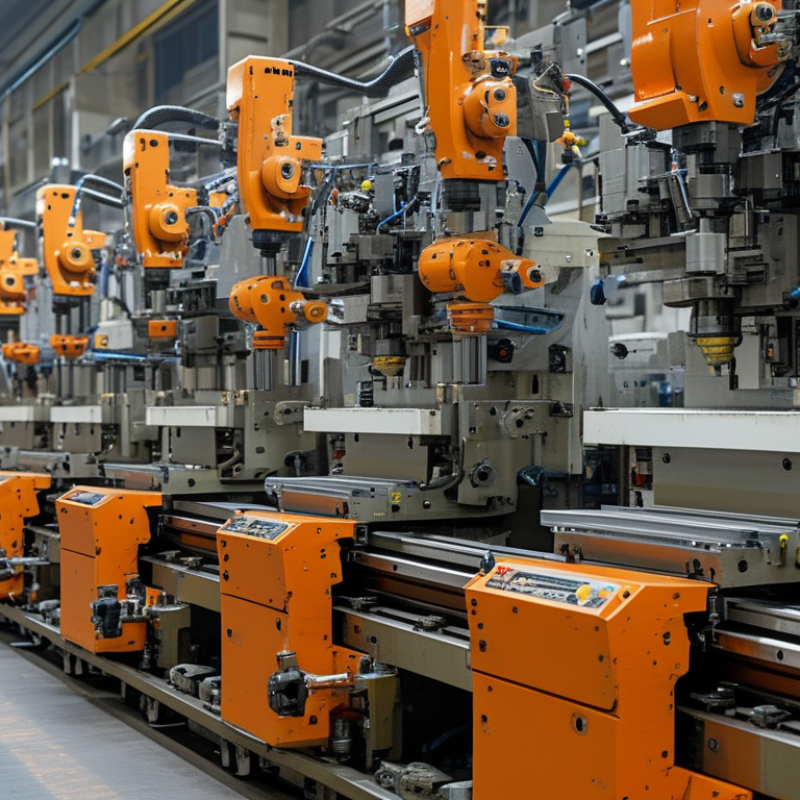
Overview of High-Speed Machines and Standard Machines
When deciding between high-speed machines and standard machines, it’s essential to understand their unique traits. High-speed machines offer rapid production rates and increased efficiency. They often feature advanced technologies allowing for quicker processing times. This can significantly reduce lead times in manufacturing. However, they may require specialized training for operators and regular maintenance. The high initial cost can also be a deterrent for some businesses.
On the other hand, standard machines are known for their reliability and ease of use. They often come with established production practices, which can be advantageous for companies new to a particular industry. Their lower cost allows businesses to invest in other areas. Standard machines may not match the speed of their high-speed counterparts, but they provide consistent results and less complicated training.
For many manufacturers, choosing the right type involves careful consideration. Balancing cost, speed, and required skills is crucial. It’s not just about selecting the fastest option, but also about finding what aligns with the business’s long-term goals. Understanding these factors can lead to better decisions in your production line.
Key Features of High-Speed Machines
High-speed machines are gaining traction in various industries for their efficiency and speed. According to a recent industry report, these machines can increase production rates by up to 40%. This remarkable boost can be vital in sectors like packaging and textiles, where timely delivery is essential. High-speed machines often feature advanced technologies such as servo drives and real-time monitoring systems. These innovations enhance operational reliability while minimizing downtime.
However, the transition to high-speed machines isn’t without its challenges. Their initial investment can deter some manufacturers. Maintenance costs may also be higher due to the advanced components used. Additionally, operators may require specialized training to manage the more complex systems effectively. A lack of workforce readiness can hamper the potential advantages of these machines, leading to inefficiencies if not addressed early on. Ultimately, companies must weigh these potential drawbacks against the speed and productivity gains.
Comparison of High-Speed vs Standard Machines
Key Features of Standard Machines
When considering standard machines, several key features stand out. Standard machines typically offer reliability and efficiency in various settings. Their design often focuses on durability, catering to industries that require consistent performance without the need for high-speed capabilities. According to a recent industry report, nearly 70% of operations in manufacturing prefer standard machines over high-speed ones for regular tasks due to their longevity and lower maintenance costs.
Power consumption is another critical factor. Standard machines are engineered to operate efficiently, using less energy compared to their high-speed counterparts. A study indicated that businesses reported a 30% decrease in energy costs when switching to standard models. This not only aids in budgeting but also promotes sustainability in operations. However, it’s essential to reflect on the potential drawbacks. In some instances, standard machines may fall short when high-speed production is essential, leading to possible bottlenecks in workflow.
Another notable aspect is ease of operation. Standard machines generally require less specialized training for operators, allowing for smooth transitions in workforce changes. Although they are easier to handle, organizations must consider the need for occasional upgrades to stay competitive. While these machines fulfill essential functions, organizations should analyze their specific needs critically. Using standard machines can sometimes result in missed opportunities for higher output in fast-paced industries. Balancing efficiency with productivity remains a challenge.
Comparative Analysis: Performance, Cost, and Efficiency
When evaluating high-speed versus standard machines, performance stands out as a determining factor.
High-speed machines excel in producing items at a rapid pace. This capability is crucial in industries where time directly correlates with profit. Yet, the initial investment in such machines can be significant. Many businesses might hesitate. On the other hand, standard machines tend to be more cost-effective. They often require lower maintenance and have a longer lifespan. This makes them an appealing option for smaller operations or startups.
Efficiency is another critical aspect. High-speed machines can optimize workflows, reducing labor costs and minimizing waste. However, they may not always deliver quality. There are cases where speed compromises product integrity.
Standard machines, while slower, produce consistent results. This reliability can be crucial for brands building their reputation. Both machine types have unique advantages and disadvantages, making it essential to assess your specific needs.
Cost considerations go beyond just purchase price. Training staff on new technology can add expenses. High-speed machines often need specialized training. This could lead to delays in production as employees learn the ropes. In contrast, standard machines may require less training. Familiarity with technology can streamline operations. Each choice brings its own challenges; understanding these is critical for informed decision-making.
Factors to Consider When Making Your Choice
Choosing between high-speed and standard machines requires careful consideration of various factors. Speed is crucial for efficiency, especially in high-demand environments. However, high speed often comes at a higher cost. Weighing initial investment against potential productivity gains is essential.
Quality of output is another vital aspect. High-speed machines may compromise precision. It's important to assess whether the speed aligns with your quality standards. Analyze your operations to determine which machine meets your specific needs.
Tips: Evaluate your current workflow. Identify bottlenecks where speed could enhance productivity. Conduct a cost-benefit analysis, factoring in maintenance and operation expenses. Lastly, ensure that your team is trained to handle the chosen machine efficiently. Balancing speed, cost, and quality can lead to better decision-making in the long run.
Conclusion
When deciding between high-speed and standard machines, it's crucial to understand "what is the difference between high speed and standard machines." High-speed machines are designed for rapid output and enhanced efficiency, making them ideal for high-demand environments. They typically feature advanced technology that allows for faster processing times and improved overall productivity. On the other hand, standard machines generally focus on reliability and ease of use, often at a lower cost, suitable for operations with moderate output requirements.
In a comparative analysis, high-speed machines excel in performance and efficiency but may come with higher initial costs and maintenance needs. Standard machines, while generally less expensive, may not offer the same level of productivity. When choosing the right machine for your needs, consider factors such as operational volume, budget constraints, and specific performance requirements to make the best decision.

 Jinli Machinery