The global disposable paper products market is projected to reach $320 billion by 2025, driven by rising demand for hygiene and convenience. Businesses face essential decisions when investing in machinery. How to choose the right machine for disposable paper products is crucial for operational efficiency. The right choice affects production speed, sustainability, and cost-effectiveness.
Investors must evaluate various factors before purchasing machinery. The machine’s capacity should align with production needs. Reports indicate that high-quality machines reduce waste, leading to lower costs. Manufacturers prioritize features like reliability and ease of maintenance. Many novice buyers overlook these aspects, resulting in operational setbacks.
In today’s eco-conscious market, sustainability cannot be ignored. Machines that use recycled materials contribute to environmental goals. Potential buyers need to conduct thorough research. Making the wrong choice can lead to inefficiencies and increased financial strain. It’s vital to consult experts and analyze available technology to ensure the machine meets industry standards.
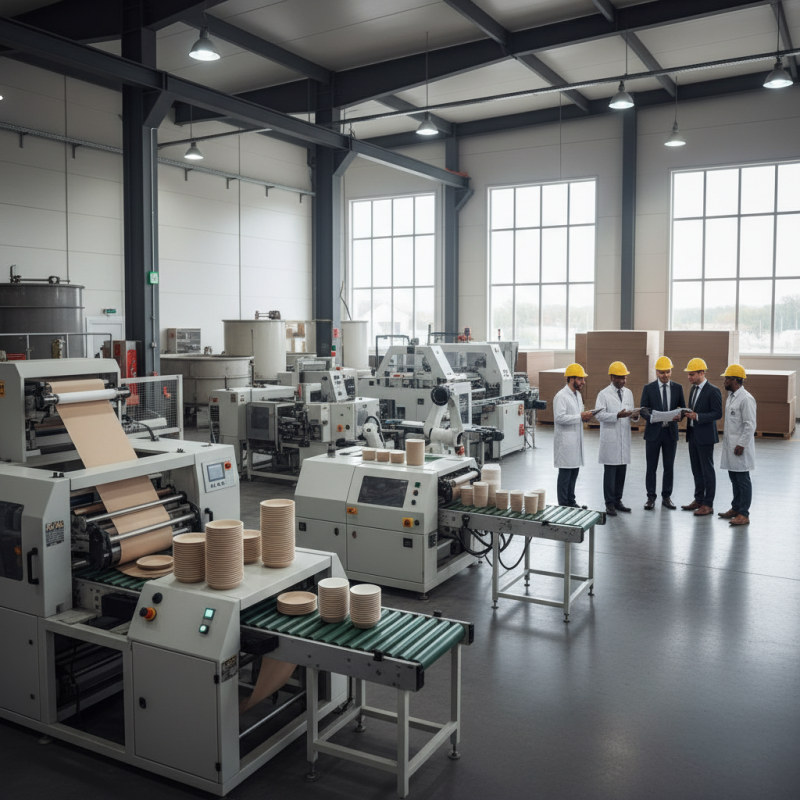
Choosing the right machine for making disposable paper products involves careful consideration of several factors. One crucial aspect is production capacity. You need a machine that can meet your production demands without overextending your budget. Machines vary greatly in output per hour, so knowing your needs can help narrow down options.
Another important factor is the types of products you aim to produce. Different machines are specialized for various items like paper plates, cups, or napkins. Understanding the specifications of each machine is vital. Check if the machine can handle different paper sizes and thicknesses. This flexibility can save you money in the long run.
Additionally, consider the ease of operation and maintenance. Some machines require specialized training, while others are user-friendly. Maintenance can become another hidden cost. Evaluating these aspects ensures you select a machine that meets not just current needs but future ones as well. It's essential to reflect on long-term benefits over immediate savings. Investing in quality now can prevent costly issues later.
When selecting machines for disposable paper manufacturing, it's essential to understand the different types available. The most common machines include paper cup forming machines, tissue paper machines, and bag-making machines. Each type has its unique functions and production capacities. It's important to analyze your production needs before making a decision.
One key consideration is the machine's efficiency. Some machines operate at higher speeds but may compromise on quality. Investing in a reliable machine often leads to better long-term outcomes. Assess your production volume and the types of paper products you intend to create. This will guide you toward the right machine choice.
Tips for selecting the best machine include understanding the maintenance requirements. A machine that requires frequent repairs can disrupt your production line and lead to losses. Additionally, consider the machine's adaptability. As trends in disposable products change, flexibility allows for adjustments without whole new investments. This adaptability can be costly if not factored in early on. You might find yourself stuck with outdated technology.
| Machine Type | Production Capacity (pcs/min) | Power Consumption (kW) | Material Compatibility | Price Range (USD) | Maintenance Level |
|---|---|---|---|---|---|
| Automatic Paper Cup Machine | 50-80 | 15 | Paperboard | 15,000 - 25,000 | Medium |
| Fully Automatic Paper Plate Machine | 40-60 | 10 | Paper, Cardboard | 12,000 - 20,000 | Low |
| Napkin Folding Machine | 100-200 | 7 | Tissue Paper | 8,000 - 15,000 | Very Low |
| Paper Straw Making Machine | 30-50 | 5 | Paper | 10,000 - 18,000 | Medium |
| Disposable Cutlery Machine | 20-40 | 8 | PLA, Paper | 20,000 - 30,000 | Medium |
When selecting a machine for disposable paper production, evaluating its production capacity is critical. You need to understand your output requirements clearly. What volume of products do you anticipate each day? A machine designed for higher volumes will often provide better efficiency.
Efficiency is more than mere speed. It involves how well the machine converts raw material into finished products. A machine that can produce a sizable output, but frequently breaks down, may actually lower overall productivity. Regular maintenance can be a time-consuming task, detracting from production.
Consider the type of disposable products you want to create. Different products may require different machine specifications. Analyzing these specifications can help prevent future pitfalls. It can be easy to overlook energy consumption, but machines that are energy-efficient may save costs long-term. A balance between initial cost and operational efficiency is essential. Investing too much upfront might not yield the desired returns. Be mindful of your choices, and reflect on performance after implementation.
Choosing the right machine for making disposable paper products largely hinges on the types of paper to be processed. Different paper compositions require different handling and processing techniques. For instance, recycled paper has a higher fibrous content. This can affect the performance of machinery. It may require more powerful components to ensure effective processing.
Some machines are versatile and handle various paper types. However, many specific machines excel in specific paper categories. The choice depends on the desired product's characteristics. Do you prioritize softness or durability? The machine's design should align with the required output. Factors like thickness and moisture content warrant careful consideration too.
It's not just about the machinery. Understanding your paper's source and qualities is crucial. Each type may react differently during production processes. Knowing these variances can help you avoid unexpected issues. Assessing compatibility with your operational processes is vital. Ignoring this can lead to increased costs and complications. It’s essential to plan ahead and reflect on the materials used in production. This foresight often distinguishes successful manufacturers from others.
Investing in a machine for disposable paper products requires careful cost analysis. The initial investment can be significant. Machines can vary widely in price, depending on their capabilities. It's crucial to evaluate what features you genuinely need. A higher upfront cost might lead to greater efficiency. Yet, that doesn’t guarantee lower operational expenses.
Operational expenses should not be overlooked. They include labor, maintenance, and material costs. Machines that are cheaper initially might require more repairs, which increases overall costs. Alternatively, a more expensive machine may be more durable. This can mean lower long-term expenses. Understanding these trade-offs can help inform your decision. Don’t just focus on the price tag.
Reflect on your specific needs before making a choice. Consider how much you expect to produce. What is feasible for your business model? Sometimes, investing more upfront may save money in the long run. Researching different machine types can help clarify these issues. A thorough analysis of both initial investment and ongoing costs is essential. This will enable more informed decision-making.
: The common machines include cup forming, tissue paper, and bag-making machines. Each has distinct functions.
Efficiency involves speed and quality. A faster machine may produce lower quality products over time.
Frequent repairs can disrupt production and cause losses. It's better to invest in reliable machinery.
Consider your daily output needs. Higher capacity machines offer better efficiency if they operate reliably.
Different paper types require specific processing techniques. The right machine handles your chosen material best.
Energy-efficient machines can save costs long-term. Overlooking this may lead to higher operational expenses.
A machine's ability to adjust with trends prevents costly upgrades. Flexibility is essential for long-term success.
Ignoring paper characteristics can lead to unexpected production issues. Understanding materials is crucial for smooth operations.
Not always. High initial costs may not guarantee better returns. Balance is essential for successful investments.
Different products have unique specifications. Your machine choice should match the specific requirements of your desired products.
Choosing the right machine for disposable paper products requires careful consideration of several key factors. First, it is essential to understand the various types of machines available, each designed for specific disposable paper manufacturing processes. Evaluating production capacity is crucial, as it involves determining output requirements and the efficiency of the machines in meeting those demands. Additionally, assessing material compatibility is vital, as different paper types have unique processing needs.
Cost analysis also plays a significant role in this decision-making process. It's necessary to compare the initial investment in machinery with long-term operational expenses to ensure a viable return on investment. By thoroughly examining these aspects, businesses can effectively navigate the question of how to choose the right machine for disposable paper products, ensuring they meet production goals while maintaining quality and cost-effectiveness.

Jinli Machinery