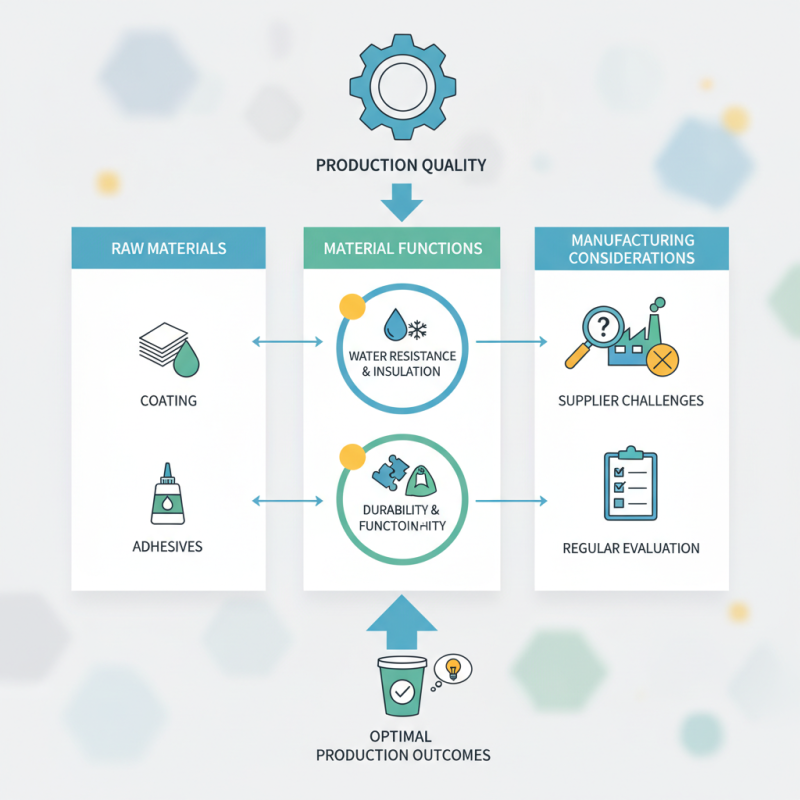
Choosing the right raw materials for paper cup machines greatly impacts production quality. Understanding the function of each material is essential for manufacturers. Quality raw materials ensure durability and functionality.
When considering how to select the right raw materials for paper cup machines, various factors come into play. The type of paper, coating, and adhesives affect the final product. Each component plays a crucial role. For example, the choice of coating determines the cup’s water resistance and insulation properties.
Manufacturers may face challenges in sourcing these materials. Not all suppliers provide high-grade options. This can lead to production inefficiencies or compromised cup integrity. A thorough understanding of material properties is necessary. Regular supplier evaluation can enhance reliability. Reflecting on these aspects aids in making informed choices for optimal production outcomes.
Choosing the right raw materials for paper cups is essential. Various factors influence this selection. The type of paper used impacts both strength and formability. Generally, virgin pulp offers better quality than recycled options. However, cost-efficiency is crucial for many businesses. It's a balance between quality and price.
Environmental sustainability is another factor. Many manufacturers now seek eco-friendly materials. Biodegradable coatings can enhance the overall appeal of the final product. However, they may be pricier than standard options. It's important to consider the trade-offs here. Some materials might perform well but could harm the environment.
Testing is vital. Raw materials should be evaluated for compatibility with machines. Not every paper type will run smoothly through every machine. This can lead to production issues. Companies often overlook this during initial selection stages. Ensuring a reliable supply chain is also essential. Fluctuations in material availability can disrupt production schedules. Reflecting on these factors can lead to better decision-making.
When selecting raw materials for paper cup production, understanding the types of paper grades is essential. Various grades have unique qualities suitable for different applications. For example, food-safe grades ensure that cups maintain their integrity when holding hot or cold beverages. These materials typically boast waterproof coatings to prevent leaks.
Another crucial factor is the thickness of the paper. Thicker grades offer better insulation and sturdiness. However, they may increase production costs. Balancing cost and quality is a common challenge for manufacturers. They must ensure that the raw materials meet safety standards while remaining economically viable.
Moreover, sourcing materials that are sustainable is gaining traction. Recycled paper grades contribute to environmental goals. Yet, reliability can be an issue with recycled materials, often leading to variability in strength. Manufacturers face an ongoing dilemma: it is important to find sources that are both sustainable and consistent. This balance is vital for long-term success in the paper cup industry.
The quality of raw materials directly influences the durability and performance of paper cups. A study by the Technical Association of the Paper Industry indicated that using high-grade virgin pulp results in a 30% increase in tear strength. This is crucial for maintaining cup integrity when filled with hot or cold liquids.
Materials must meet specific strength and barrier requirements. For example, the inclusion of bioplastics can enhance water resistance. However, a 2021 report from Global Data highlighted that 25% of manufacturers are still using subpar materials, leading to frequent product failures. This gap can create significant issues in customer satisfaction and product reliability.
Additionally, environmental considerations are becoming essential. Sustainable materials not only improve brand reputation but also meet increasing regulatory demands. However, achieving a balance between sustainability and performance remains a challenge. Many manufacturers often reflect on whether their choices optimize both criteria effectively. The trend is toward using renewable resources, yet constant evaluation is necessary.
| Material Type | Tensile Strength (MPa) | Weight (g/m²) | Water Resistance (cm) | Biodegradability (%) | Cost (USD/ton) |
|---|---|---|---|---|---|
| Kraft Paper | 30 | 180 | 15 | 100 | 700 |
| Coated Paper | 25 | 200 | 12 | 80 | 950 |
| Recycled Paper | 20 | 150 | 10 | 90 | 600 |
| PLA Paper | 22 | 170 | 20 | 95 | 1200 |
Sustainability is crucial when sourcing paper cup materials. The environmental impact must be considered seriously. Selecting eco-friendly raw materials helps reduce waste and pollution. Recycled paper, for instance, is a great option. It can significantly lessen the demand for virgin pulp.
Additionally, look for materials that are biodegradable. Biodegradable cups break down faster in landfills compared to traditional options. However, not all biodegradable materials are equal. It's necessary to research the entire lifecycle of these materials. Some might require specific conditions for proper decomposition.
It’s also vital to assess suppliers for their sustainable practices. Are they committed to reducing emissions? Do they ensure fair labor practices? Sourcing from transparent suppliers can enhance the credibility of your brand. Yet, this process can be challenging. Scouring for reliable partners takes time. It’s essential to remain vigilant and adaptable in this ever-evolving field.
Cost-effectiveness in paper cup manufacturing hinges on raw material choice. Selecting the right materials can significantly impact the overall production cost. Common options include virgin paper, recycled paper, and biodegradable materials. Each type has its own price point and performance characteristics. Virgin paper typically offers great strength but at a higher cost. Recycled paper is often cheaper, but variations in quality can arise.
Consider the sourcing of materials as well. Local suppliers may offer better rates due to lower shipping costs. However, their material quality is not always consistent. Establishing a relationship with trusted vendors is crucial. Sample testing is a good practice before large-scale procurement. Inconsistent quality can lead to production delays or defective products. These outcomes can nullify any perceived savings.
Sustainability is increasingly important in today’s market. Consumers favor eco-friendly options, even if they come at a premium. Balancing cost with environmental impact is essential. Investing in sustainable materials can enhance brand reputation. However, the initial expense might deter some manufacturers. Analyzing the long-term benefits versus upfront costs can illuminate the best path forward.
: Food-safe grades are essential for maintaining cup integrity. They often have waterproof coatings to prevent leaks.
Thicker grades provide better insulation and sturdiness. However, they can also raise production costs.
Eco-friendly materials reduce waste and support environmental goals. They also enhance a brand's reputation in the market.
Recycled materials can be inconsistent in strength and reliability. This variability can affect product quality and performance.
High-grade virgin pulp increases tear strength by 30%. This is crucial for maintaining cup integrity with hot or cold liquids.
Bioplastics enhance water resistance. However, reliable sourcing remains a concern for many manufacturers.
Finding materials that are both sustainable and reliable is challenging. Continuous evaluation of choices is essential for optimization.
Research the entire lifecycle of biodegradable materials. Some need specific conditions to break down properly.
Suppliers should have sustainable practices and transparency. This enhances brand credibility but requires careful evaluation.
Using poor-quality materials can lead to product failures. This affects customer satisfaction and overall reliability.
Selecting the best raw materials for paper cup machines is crucial for ensuring quality and sustainability. The process begins with understanding the factors that influence raw material selection, including the desired durability, performance, and environmental impact of the final product. Different paper grades play a significant role in manufacturing; thus, knowing which types are suitable for paper cup production is essential.
Moreover, the quality of raw materials directly impacts the durability and performance of the cups, affecting consumer satisfaction and brand reputation. Sustainability is increasingly important, pushing manufacturers to consider eco-friendly options when sourcing materials. Finally, understanding the cost-effectiveness of various raw materials can help in balancing quality and production budgets. In summary, knowing **how to select the right raw materials for paper cup machines** involves evaluating these critical aspects to achieve optimal results.

Jinli Machinery