When deciding how to choose between single and double wall cup machines, several factors come into play. The beverage industry is experiencing a shift, with a report from IBISWorld indicating a 3% annual growth. As sustainability becomes a priority, businesses must carefully select equipment that aligns with their goals. Experts highlight that material thickness can significantly impact insulation and durability.
James Parker, a renowned industry expert, emphasizes, "Understanding the nuances between single and double wall construction is crucial for operational efficiency." This insight sheds light on critical differences in performance and cost-efficiency. Single wall cups are typically lightweight and cost-effective, making them suitable for certain beverages.
On the other hand, double wall cups offer enhanced insulation, improving customer experience. However, they come at a higher price point. Companies must evaluate customer needs, budget constraints, and sustainability goals. Balancing these can be challenging, but with the right information, the choice becomes clearer. This decision shapes the brand’s identity and operational effectiveness in a competitive landscape.
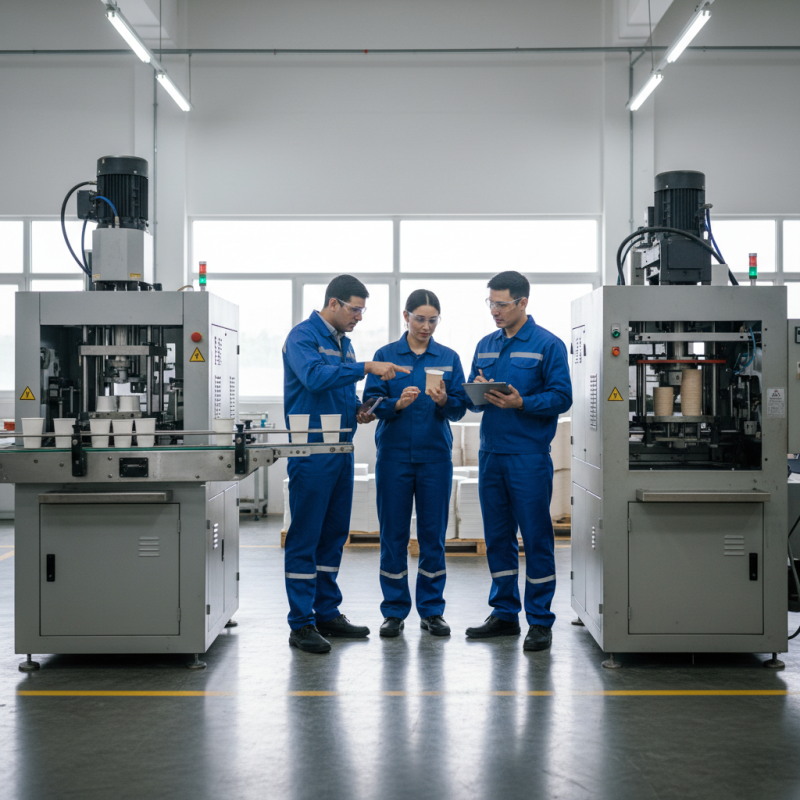
When considering cup machines, it's crucial to understand the key differences between single wall and double wall machines. Single wall cup machines are generally lighter and less expensive. They are ideal for those looking for simplicity and efficiency. However, they may not retain heat as well. Drinks can cool down quickly. This can impact the overall experience.
On the other hand, double wall cup machines provide better insulation. They keep beverages warm for a longer time. This is especially important for hot drinks like coffee or tea. The double wall also minimizes condensation on the outer surface. Customers appreciate the comfortable grip without burning their hands.
Choosing between these two types depends on your needs. If you prioritize cost and simplicity, single wall may suit you. However, if you value heat retention and user experience, double wall is likely the better choice. Reflecting on these factors can help you make a more informed decision.
| Feature | Single Wall Cup Machines | Double Wall Cup Machines |
|---|---|---|
| Insulation | Basic insulation | Enhanced insulation |
| Heat Retention | Less effective | More effective |
| Cost | Generally lower | Generally higher |
| User Comfort | May feel hot to the touch | Safe to hold |
| Durability | Moderate | Higher |
| Best Use Case | Regular drinks | Hot beverages |
When it comes to performance efficiency, the choice between single and double wall cup machines is crucial. Single wall machines tend to be lighter and more straightforward, which can lead to faster operation times. They often heat water quickly, making them ideal for immediate use. However, they may struggle with temperature retention. The drinks produced can cool down rapidly, impacting the overall flavor experience.
Double wall machines, in contrast, excel in insulation. They keep beverages hot longer and provide a more consistent temperature throughout the drinking experience. Despite this advantage, they often require more energy to maintain heat. This can lead to longer warm-up times and higher energy consumption. Users may find that while double wall machines enhance drink quality, they can also lead to increased operational costs.
Deciding between the two types involves weighing these performance aspects. Consider how often you serve drinks and the importance of temperature. A balance must be struck between efficiency and quality. Some choose based on immediate needs, only to later reflect on the long-term implications. Understanding the full range of performance can make a significant difference in your decision-making process.
When choosing between single and double wall cup machines, cost plays a crucial role. Single wall machines often have lower initial costs, ranging from $10,000 to $20,000. They are simpler in design and easier to maintain. In contrast, double wall machines can cost between $25,000 to $40,000. Their more complex infrastructure comes with enhanced durability and insulation. This type can lead to lower operational costs over time.
Energy efficiency is another key consideration. Double wall machines tend to save energy by maintaining optimal temperatures longer. Studies indicate that they can reduce energy costs by up to 30% compared to single wall machines. Yet, the higher upfront investment in double wall technology can be daunting. Some businesses hesitate, as the initial expense does not guarantee immediate returns.
Quality should also factor into investment decisions. Single wall cups may not hold hot beverages as effectively, leading to higher product waste. Depending on the market, businesses may face losses due to unhappy customers. Investing in double wall machines might seem costly, but it could enhance product quality and customer satisfaction in the long run. Balancing initial costs with potential savings is essential for making an informed choice.
When selecting between single and double wall cup machines, temperature retention is a crucial factor. Single wall cups offer basic insulation. They are lightweight and often more affordable but struggle with heat retention. Studies suggest that beverages in single wall cups lose heat roughly 40% faster than those in double wall options. This is significant when serving hot drinks.
Double wall cups, on the other hand, utilize an air layer between two walls. This design helps minimize heat transfer. According to industry reports, double wall vessels can extend beverage temperature retention by up to 60%. Users often find that their coffees and teas remain hot for a longer period, which enhances the drinking experience. The initial investment in a double wall cup machine may feel high, but optimal temperature maintenance can result in higher customer satisfaction.
However, it's essential to consider the drawbacks. Double wall machines require more energy, potentially leading to it's inefficient for high-volume environments. The added complexity in design may also lead to higher maintenance costs over time. As you weigh these factors, it's vital to reflect on your specific needs and consumption habits. Balancing cost and efficiency with beverage quality is key in decision-making.
When considering single and double wall cup machines, maintenance and durability play crucial roles. Single wall machines are often lighter and simpler in design. This makes them easier to maintain. However, they are more prone to wear and tear over time. Reports indicate that single wall machines may require replacement parts more frequently than their double wall counterparts. According to some industry studies, a well-maintained single wall machine will last around 5-7 years.
On the other hand, double wall machines typically offer better insulation. This can lead to a longer lifespan. Data shows that these machines can often last up to 10 years with proper care. The extra layer provides better protection against external elements. While double wall machines might require a more complex maintenance routine, the investment can yield significant returns in durability. Still, potential owners should consider that even double wall machines can face issues, such as seal degradation over time.
In examining the longevity of these machines, it is essential to weigh their initial cost against potential maintenance needs. Single wall models may be less expensive upfront but could incur higher costs later. Double wall machines require a greater initial investment but tend to provide better longevity. Thus, the decision on which machine to choose may hinge on evaluating your maintenance capacity and long-term goals.
: Single wall machines are lighter and cheaper but don’t retain heat well. Double wall machines insulate better and keep drinks warm longer.
Single wall machines are more affordable initially, but double wall machines offer long-term savings due to better energy efficiency.
Temperature retention affects the drinking experience. Single wall cups lose heat quickly, while double wall cups keep drinks hot for longer.
Studies show single wall cups lose heat about 40% faster than double wall cups, which retain temperature much better.
They may be costly upfront but can lead to greater customer satisfaction and lower operational costs long-term.
Double wall machines require more energy and may need more maintenance. Consider your specific needs before investing.
The air layer between walls minimizes heat transfer, effectively extending beverage temperature retention, enhancing user experience.
Businesses should weigh initial costs, energy efficiency, temperature retention, and potential customer satisfaction when making a choice.
Yes, if drinks cool too quickly, it may lead to complaints and wasted products, impacting overall business performance.
Double wall machines can reduce energy costs by up to 30%, making them more appealing for long-term sustainability despite initial prices.
When considering how to choose between single and double wall cup machines, understanding the key differences between these two types is crucial. Single wall cup machines are typically lighter and more economical, making them suitable for basic applications. In contrast, double wall machines offer superior insulation, improving beverage temperature retention and enhancing the overall drinking experience.
Performance efficiency varies, with double wall machines often delivering better heat retention, which can influence customer satisfaction. Cost considerations play a significant role in decision-making, as double wall machines generally require a higher initial investment but may prove more cost-effective in the long run due to their durability and lower energy consumption. Maintenance and longevity should also be factored in, as both machine types come with their own upkeep needs, impacting their overall value. Ultimately, the choice depends on your specific requirements and operational goals.

Jinli Machinery