How to Choose Between Single and Double Wall Cup Machines?

Time:2026-10-13 Author:Madeline
0%

How to choose between single and double wall cup machines is not a simple speed comparison. It is a production decision involving material cost, insulation, forming stability, labor, and customer expectations.

Smithers’ paper packaging market analysis identifies sustainability, lightweighting, and fiber-based foodservice packaging as major industry priorities through the decade. Grand View Research also estimates that the global paper cups market will continue expanding, with demand supported by takeaway beverages and stricter plastic-reduction policies. These trends create pressure for flexible equipment. A single-wall machine usually requires less capital, fewer forming stages, and simpler maintenance. It suits standard hot or cold cups with sleeves or limited insulation needs. A double-wall machine adds an outer paper layer, improving grip and heat protection, but it consumes more board and demands tighter alignment.

As packaging engineer John D. Richards explains, “The best cup machine is not the fastest one; it is the machine that consistently matches the cup specification.” That principle deserves attention. A machine producing 120,000 cups per hour is not efficient if misaligned layers create rejects, visible glue marks, or crushed rims.

Measure the details. Check paper grammage, cup diameter, wall height, sealing method, changeover time, and actual output under production conditions. Ask suppliers for sample runs using your paper stock. Factory videos can look perfect.

They are not the whole story.

A practical comparison should include energy consumption, operator training, spare-part availability, and five-year maintenance costs. The answer may also change as your product range grows. Choosing only by purchase price is tempting, but it can become an expensive compromise.
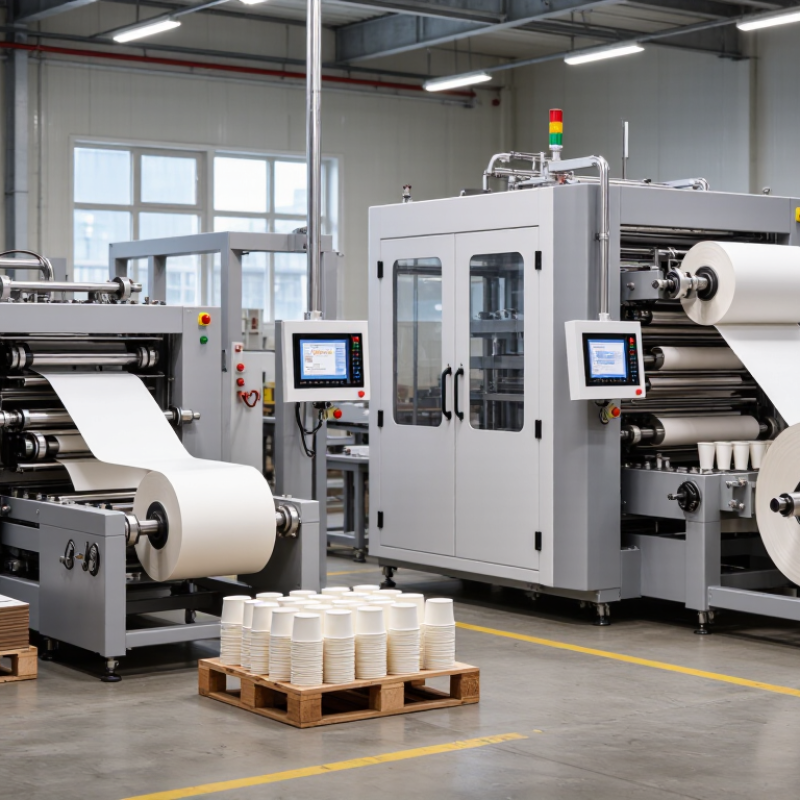
How to Choose Between Single and Double Wall Cup Machines?

Understanding Single-Wall and Double-Wall Cup Machines

Understanding the difference between single-wall and double-wall cup machines starts with cup structure. A single-wall machine forms one paper layer around the drink. It suits water, juice, and many room-temperature beverages. The equipment usually has a simpler forming path and lower material consumption. Operators can also change sizes with fewer adjustments. However, the outer surface may become hot or damp during service.

A double-wall cup machine creates an inner cup and an outer insulating layer. The air space helps protect hands from hot coffee or tea. It can also reduce the need for a separate sleeve. This design requires more accurate paper feeding and stronger control of alignment. Small errors may cause loose layers, uneven rims, or unstable stacking. Production speed alone should not decide the purchase.

In practice, compare cup sizes, paper thickness, sealing quality, and daily output. A machine should handle the actual paperboard used in your facility, not only sample material. Check how quickly workers can clean forming tools and correct feeding problems. Ask for test production with your own cup dimensions. That step is easy to overlook.

The choice is not always neat. A double-wall machine may save sleeve costs, but its tooling and operation can be more demanding. A single-wall model may be enough for short service periods and cooler drinks. I would avoid choosing by insulation claims alone. Customer handling habits matter too. Test filled cups, not empty ones.

Comparing Machine Structures, Materials, and Production Processes

Choosing between single and double wall cup machines starts with structure, not speed.

Single wall machines form one coated paperboard layer, usually with a rolled rim and heat-sealed side seam. They suit standard hot drinks and require less material, energy, and floor space. Double wall machines add an outer sleeve, creating better insulation and a stronger hand feel. However, they need tighter sleeve alignment and more forming stations. A small error can leave visible gaps or uneven pressure.

Material selection changes the production process. Common cup stock uses paperboard with polyethylene or water-based barrier coatings. According to Grand View Research’s 2024 paper cups market report, the global market was valued at about USD 13 billion in 2023. This growth increases demand for efficient forming, sealing, and quality inspection. Smithers’ sustainable packaging analysis also identifies fiber-based packaging as a major development area through 2028. Still, “fiber-based” does not automatically mean compostable. Coating chemistry and local processing conditions matter.

Tips: Compare machines using usable output, not advertised speed. Check seal strength, rim curling, sleeve placement, and reject rates during a live trial. In my experience, a faster machine can lose money when paper dust causes frequent stops. Double wall systems often justify their cost for premium insulation, but not every market needs them. The best decision may feel less obvious after testing real cup sizes, humid storage rooms, and thinner paper stock.

Evaluating Insulation, Output, and Product Quality Requirements

Choosing between single- and double-wall cup machines starts with the drink environment, not machine price. Single-wall cups suit brief service and sleeve-based insulation. They usually require simpler forming steps and can support higher output. Double-wall machines create an air gap around the cup. This structure improves hand comfort and reduces dependence on paper sleeves. However, extra forming stages may lower speed and increase setup sensitivity. A busy line can reveal this difference quickly. At 8,000 cups per hour, small alignment errors become visible defects.

Evaluate output using stable production, not the advertised maximum. Ask for sample runs with your paper stock, cup sizes, and printed surfaces. Measure rejected cups, rim accuracy, sidewall strength, and energy use during a full shift. Product quality depends on heating control, pressure consistency, tooling condition, and operator access. Double-wall cups need accurate bonding or forming around the outer layer. Weak contact can create loose panels, uneven gaps, or poor nesting. Single-wall cups may look simpler, but thin paper can wrinkle under excessive pressure. I have found that inspection during the first hundred cups is useful, though it cannot predict every later problem. That limitation deserves attention.

Tips: Request production data from a comparable order. Check insulation with a warm beverage and a timed hand test. Confirm the machine can change sizes without lengthy downtime. Keep a small defect log. It often exposes patterns that daily output numbers hide.

Matching Machine Features with Business Scale and Budget

Choosing between single and double wall cup machines starts with business scale, not machine appearance. A small café, seasonal kiosk, or startup may need a compact single wall machine. It usually requires less floor space, lower investment, and simpler operator training. Single wall cups suit cold drinks and many standard takeaway orders. Check the hourly output carefully. A machine rated for 3,000 cups may perform differently during continuous production.

Double wall machines add an insulating outer layer, improving comfort for hot beverages. They can support premium pricing and reduce the need for separate sleeves. However, they often require more complex forming stations, stronger power supply, and higher maintenance costs. A growing beverage factory may justify this investment through steady orders. A small shop may leave expensive capacity unused.

Budget planning should include tooling, electricity, labor, spare parts, and rejected cups. Do not compare purchase prices alone. A practical test should measure cup strength, wall alignment, sealing quality, and changeover time. Ask for sample production under realistic materials and speeds. The cheapest option may become costly when downtime interrupts morning sales. My early estimates would have ignored training time. That was a mistake. Leave room for repairs and future volume, but avoid buying capacity your current sales cannot support. A staged upgrade can protect cash flow while revealing actual demand.

Selecting the Right Cup Machine for Your Production Goals

Selecting cup machinery starts with production goals, not wall style. Define daily volume, cup sizes, materials, and changeover frequency. Grand View Research estimated the global paper cups market at about USD 12.5 billion in 2022, with growth continuing through 2030. That trend rewards flexible planning, not automatic overspending. Single-wall machines generally fit standard cold drinks and high-volume orders. Double-wall machines suit hot beverages requiring stronger insulation and a more premium feel.

A single-wall line may deliver simpler forming, lower material use, and easier maintenance. Double-wall production can require extra forming, precise alignment, and more storage space. Ask for verified output using your actual paperboard and cup dimensions. Do not rely only on catalog speed. Measure rejected cups, changeover minutes, energy consumption, compressed-air demand, and operator requirements. Mordor Intelligence projects continued growth in disposable cup demand, but market estimates vary by region and application.

Your production mix should decide the machine. If most orders use one cold-cup size, a fast single-wall system may create better returns. If hot beverages dominate, double-wall capability can reduce the need for separate sleeves. In factory reviews, small details often decide profitability. A five-minute changeover repeated six times daily becomes real lost capacity. The cleanest spreadsheet can still mislead. Pilot testing is wiser. I would also question ambitious output claims when they exclude inspection pauses, material changes, and actual reject rates.

FAQS

What is the main difference between single-wall and double-wall cup machines?

A single-wall machine forms one paper layer around the drink. A double-wall machine adds an outer insulating layer and air gap.

When is a single-wall cup machine a practical choice?

It suits water, juice, cold drinks, and short service periods. It usually uses less material and allows simpler size changes.

Why choose a double-wall cup machine for hot drinks?

The outer layer improves hand comfort around warm beverages. It may also reduce the need for separate paper sleeves.

Does higher machine speed always mean better production?

No. Stable output matters more than advertised speed. At 8,000 cups per hour, small alignment errors can become obvious defects.

What quality details should buyers inspect?

Check rejected cups, rim accuracy, sidewall strength, sealing, nesting, and energy use. Test the first hundred cups, but do not trust that sample completely.

How should a machine be tested before purchase?

Use your own paperboard, cup sizes, and printed surfaces. Test filled cups with a warm drink, not empty cups. That detail matters.

What problems can occur during double-wall production?

Weak bonding may create loose panels, uneven gaps, or unstable stacking. Accurate paper feeding and alignment are essential.

How do changeovers affect production results?

Measure the real changeover time between cup sizes. Five minutes repeated six times daily can quietly remove useful capacity.

Can a simple single-wall machine still produce better returns?

Yes, especially when most orders use one cold-cup size. A cheaper process may be wiser, though the result depends on actual defects and demand.

What information should operators record during a production trial?

Keep a small defect log with wrinkles, loose layers, rim errors, downtime, and material changes. It reveals patterns that output figures can hide. I may be too cautious, but pilot testing remains safer.

Conclusion

Choosing the right paper cup machine starts with understanding the differences between single-wall and double-wall cup production. Single-wall cups are lightweight and economical, making them suitable for everyday cold or hot beverage applications. Double-wall cups provide better insulation and a more comfortable grip, but they require additional forming steps, more material, and a machine designed for precise multi-layer processing. When comparing equipment, consider machine structure, compatible paper materials, forming methods, production speed, and quality control features.

To decide how to choose between single and double wall cup machines, businesses should match machine performance with their product goals, expected output, available workspace, and budget. A smaller operation may benefit from a flexible, easy-to-maintain system, while a high-volume producer may prioritize automation, stable operation, and consistent quality. Evaluating insulation requirements, cup sizes, changeover efficiency, energy use, and long-term operating costs will help ensure the selected machine supports reliable production and future business growth.

Madeline

Madeline

Madeline is a dedicated marketing professional with a wealth of expertise in our company's core offerings. With a keen understanding of the industry, she brings a unique perspective to her role, consistently delivering high-quality content that highlights the superior aspects of our products. As......