Designing a production line for paper containers is a complex task. It requires careful planning and consideration of various factors. Efficiency is essential in today’s market, where demand for sustainable packaging is rising.
To achieve a successful production line, one must assess the machinery required for efficiency and quality. Material handling should be optimized to minimize waste and reduce costs. The layout of the production floor must facilitate smooth operations while allowing for future scalability. Understanding the processes involved in paper container creation is crucial.
Employing best practices can lead to significant advantages. However, it is essential to be aware of potential pitfalls. Mistakes in design can lead to increased production time and costs. Continuous evaluation and adjustments are necessary for long-term success. Ultimately, learning how to design a production line for paper containers is a dynamic journey, not a one-time task.
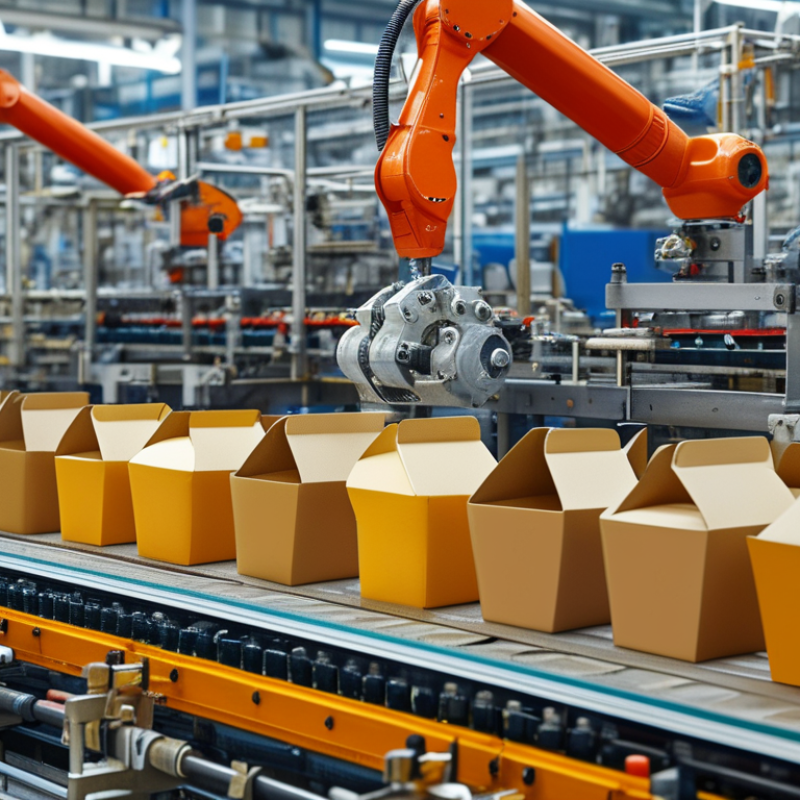
Designing a paper container production line requires a solid understanding of various components and processes. Key factors include machinery choices, workflow layout, and material handling. Choosing the right equipment is crucial. It greatly affects the speed and quality of production. Properly managed machinery can reduce downtime. Yet, it's challenging to balance cost and efficiency.
Consider the workflow as well. An optimized layout can minimize space and enhance productivity. Every step should flow logically. This helps to avoid bottlenecks. However, unexpected issues often arise. A flexible design can adapt to these changes, but it requires foresight and planning.
Lastly, material handling is vital in this design. Efficient systems reduce waste and improve safety. Using automated solutions can streamline operations. Still, there are risks involved. Employees must be trained to handle equipment safely. Interactions between machinery and workers should be monitored closely. Balancing these aspects is often tricky, yet essential for a successful production line.
When designing a paper container production line, identifying the right equipment is crucial for efficiency. The choice of machinery impacts the overall production speed and quality. Core equipment typically includes pulpers, paper machines, and cutting devices. Each plays a unique role in converting raw materials into finished products. Having a reliable pulper ensures high-quality fiber processing, while a robust paper machine enhances output consistency.
Additionally, automated packaging lines can greatly improve workflow. These systems expedite the final stages of production, allowing for quicker delivery times. However, reliance on automation may pose challenges. It requires proper maintenance and regular training for staff. This ensures equipment operates at peak performance and reduces downtime.
Consider the integration of quality control measures. Implementing sensors and monitoring systems helps identify defects early. This proactive approach can save time and reduce waste. Still, balancing automation with manual oversight can be difficult. It's essential to evaluate which aspects benefit most from human intervention.
Creating an effective workflow in designing a paper container production line is crucial for efficiency. Start by mapping out the entire process. This will help identify bottlenecks and streamline operations. Each station should have a clear purpose and defined tasks. Efficiency relies on clarity.
Tip: Ensure that your machinery is well-maintained. Regular checks prevent unexpected breakdowns. Breakdowns can interrupt flow, leading to costly delays. Training staff in equipment use enhances reliability and reduces errors. Skilled operators lead to better output quality.
Engage with your team. They often have insights on workflow improvements. Collaborative brainstorming can yield innovative solutions. Monitor production closely and be open to feedback. Adjustments might be necessary to optimize the process continually. Aspects like layout and space utilization deserve frequent reassessment. Finding more efficient setups can boost productivity remarkably.
In paper container production, quality control is paramount. Recent industry studies indicate that up to 30% of production defects arise from inadequate monitoring of processes. Implementing systematic quality assessments at each stage can significantly reduce this risk. Regular audits enable producers to catch flaws early, enhancing overall product integrity.
Compliance with industry standards, like ISO 22000, improves reliability in production. This standard outlines how companies should manage food safety, which is crucial in food packaging. Reports show that facilities compliant with ISO standards experience up to a 25% reduction in customer complaints. This data highlights the importance of aligning production practices with recognized guidelines.
Investing in technology, such as automated inspection systems, can enhance quality control. These systems provide real-time feedback and data analytics. However, some manufacturers may find implementation challenging due to high initial costs or lack of technical expertise. Continuous training for staff plays a critical role in overcoming these hurdles. A culture of quality awareness fosters better compliance and reduces defects.
| Tip No. | Tip Description | Expected Outcome | Frequency of Review |
|---|---|---|---|
| 1 | Conduct Regular Equipment Maintenance | Reduced downtime and equipment failure | Monthly |
| 2 | Implement Quality Control Checks | High product consistency | Per Batch |
| 3 | Train Workers on New Technologies | Enhanced operational efficiency | Quarterly |
| 4 | Streamline Supply Chain Management | Faster production cycles | Annually |
| 5 | Utilize Real-Time Monitoring Systems | Instant detection of anomalies | Continuously |
| 6 | Optimize Raw Material Use | Cost savings and waste reduction | Per Project |
| 7 | Adhere to Health and Safety Regulations | Safer workplace environment | Annually |
| 8 | Incorporate Sustainable Practices | Improved brand reputation | Quarterly |
| 9 | Perform Market Analysis Regularly | Stay competitive and innovative | Bi-Annually |
| 10 | Engage in Customer Feedback Sessions | Improve product design and satisfaction | After Launch |
Incorporating sustainability practices is vital in paper container manufacturing. According to a 2021 report by the Paper and Paperboard Packaging Environmental Council, over 72% of consumers prefer eco-friendly packaging. This trend is pushing manufacturers to prioritize sustainable materials and processes. One effective method is utilizing recycled paper. This reduces waste and conserves resources, making the entire production line more efficient.
Tip: Always conduct a lifecycle analysis of your materials. Understanding the impact of each component is crucial. Implementing water-based adhesives can also minimize harmful emissions, aligning with health standards. Another practice to consider is energy-efficient machinery. Reports show that energy-efficient equipment can reduce energy consumption by up to 30%.
However, not all processes are perfect. Some manufacturers still struggle with sourcing sustainable materials consistently. This inconsistency can lead to higher costs and waste. Additionally, training workers on sustainable practices may take time and resources. Such challenges need careful contemplation. Recognizing these issues is the first step toward improvement.
: Choosing the right machinery affects production speed and quality significantly.
Automation improves efficiency but requires maintenance and regular staff training.
Implementing sensors helps detect defects early, saving time and reducing waste.
Skilled operators minimize errors and enhance output quality over time.
Mapping the process helps identify bottlenecks and streamline operations effectively.
Utilizing recycled materials and energy-efficient machinery can greatly enhance sustainability.
Some manufacturers face difficulties in sourcing consistent sustainable materials.
Regular reassessment can lead to more efficient setups and increased productivity.
Engaging with the team can reveal insights and foster innovative solutions.
It evaluates each component's environmental impact, guiding material choices for sustainability.
Designing a production line for paper containers involves several critical steps to ensure efficiency and sustainability. First, it's essential to understand the fundamentals of paper container production, which includes selecting the right materials and production techniques. Identifying key equipment, such as cutting machines and forming tools, is crucial for maintaining a streamlined workflow and maximizing productivity.
An effective workflow should facilitate seamless operations, minimizing downtime and optimizing the use of resources. Quality control is another vital aspect, as it ensures that all products meet industry standards and compliance regulations. Lastly, incorporating sustainability practices not only complies with environmental standards but also enhances the brand’s reputation. Overall, mastering how to design a production line for paper containers requires careful planning and attention to detail at every stage of the process.

Jinli Machinery