How to Fix Paper Jams in Forming Machines Efficiently?

Time:2026-07-20 Author:Liam
0%

Paper jams in forming machines are a common challenge that can disrupt production lines significantly. According to a recent industry report by Smith & Associates, around 30% of all machine downtime is attributed to paper jams. This inefficiency costs manufacturers thousands of dollars annually. Understanding how to handle paper jams in forming machines is crucial for improving operational efficiency and minimizing losses.

Effective management of these jams requires in-depth knowledge of machine mechanics and materials. Notably, the choice of paper quality directly affects the likelihood of jams. A study by the Paperboard Packaging Alliance indicates that using high-quality paper can reduce issues by nearly 20%. Furthermore, regular maintenance and precise adjustments based on usage patterns are essential. Still, many operators overlook these aspects.

Operators often encounter frustrating situations where repeated jams occur with no clear reason. Lack of training and inconsistent practices can lead to confusion. Addressing these problems requires proactive strategies. Continuous learning and adaptation are necessary to mitigate risks effectively. By focusing on practical solutions, operational teams can enhance productivity and reduce unexpected delays.
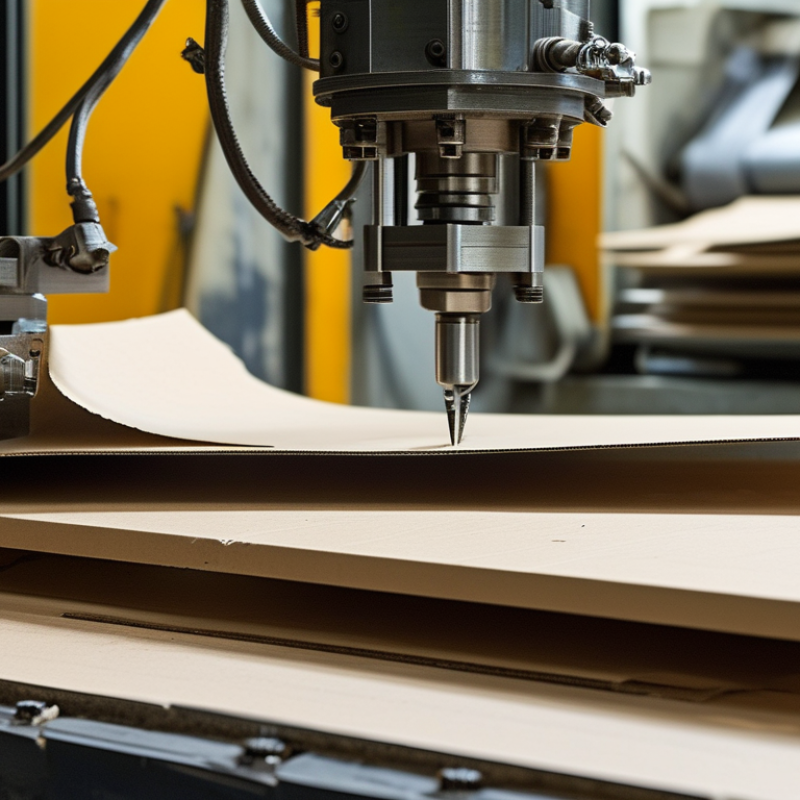
How to Fix Paper Jams in Forming Machines Efficiently?

Understanding Common Causes of Paper Jams in Forming Machines

Paper jams in forming machines are a common issue in the manufacturing industry. Data from recent industry reports indicate that nearly 30% of machine downtime is caused by paper jams. Understanding the root causes can significantly enhance efficiency and reduce operational delays.

Common causes of paper jams include incorrect loading of paper, worn-out rollers, and excessive moisture. These issues disrupt the production flow, leading to frustration among operators. Regular maintenance checks can help in identifying problems before they escalate. Inspecting the rollers and ensuring they are in good condition is crucial.

Tips: Always load paper correctly. Follow the guidelines provided by the manufacturer. Ensure the machine environment is not too humid. Moisture can cause paper to stick together, increasing the likelihood of jams. Additionally, consider using new, quality paper that meets the specifications of your machine.

Operators should be trained to recognize early signs of potential jams. Listening for unusual sounds during operation can be insightful. Proactive measures are essential. Reflecting on these operations practices can lead to better results and a more efficient workflow in the long run.

Step-by-Step Troubleshooting for Paper Jam Issues

Paper jams in forming machines can lead to significant downtime and loss of productivity. According to industry studies, approximately 15% of operational delays in the printing sector are due to paper jams. This issue often arises when paper does not feed correctly through the machine or encounters resistance due to misalignment. Understanding the common causes can help in effective troubleshooting.

Start by inspecting the paper supply. Ensure the sheets are not damp or wrinkled. Damp paper can stick together, leading to jams. According to a report by the National Statistical Office, 25% of paper jams stem from poor paper quality. Additionally, check for foreign objects, such as staples or debris, lodged in the machine. Regular cleaning and maintenance can reduce these occurrences significantly.

Another crucial aspect is the adjustment of feed rollers. Properly calibrated feed rollers can minimize friction and ensure smooth operation. If the rollers are worn or misaligned, they may need replacement or realignment. Understand that even minor adjustments can have a big impact on performance. Regular monitoring and adjustment of settings can enhance reliability and efficiency while reducing the risk of future jams.

Techniques for Preventing Future Paper Jams

Preventing future paper jams in forming machines requires attention to several key factors. Regular maintenance is crucial. Check the machine's rollers and guides for wear and debris. Cleaning these parts helps ensure they function smoothly. A buildup of dust can cause misalignment, leading to jams. Operators should be trained to recognize the signs of potential issues early.

Proper paper handling also plays a significant role. Ensure that the paper is stored in a humidity-controlled environment. Excess moisture can lead to curling, making it prone to jamming. Use the right specifications for the paper type and weight. Overloading the machine with the wrong paper can create excessive friction. Experience shows that using the correct paper helps minimize issues.

Additionally, it's essential to observe the machine during operation. Minor noises or irregular feeding patterns can indicate problems. Keeping a log of these observations can be helpful. Recognizing patterns gives operators a proactive approach to maintenance. Relying solely on routines can lead to complacency, and that’s a risk. Regular feedback from team members can enhance the process, leading to fewer disruptions.

Industry Best Practices for Maintenance of Forming Machines

Regular maintenance of forming machines is crucial for efficient operation and minimizing paper jams. A well-planned maintenance routine should include checking for wear on rollers and belts. Dust and debris can commonly accumulate, hindering performance. It's essential to schedule regular cleanings to ensure all parts function smoothly. Operators should be trained to spot potential issues early.


Operators often overlook the importance of paper quality. Poor quality paper can easily lead to jams. Consideration of the paper’s thickness and moisture content can make a significant difference. It is worth implementing a checklist before production runs. This could help in identifying potential problems with materials.


Despite best practices, occasional jams will still occur. When they do, it’s important to approach the issue methodically. Begin by turning off the machine and inspecting the area where the jam occurred. Some areas might remain unclear initially. Operators can benefit from experience and reflection on past issues. Each jam can serve as a learning opportunity to improve workflows and reduce future occurrences.

Analyzing the Impact of Paper Quality on Jam Frequency

The quality of paper plays a crucial role in the frequency of jams in forming machines. Research indicates that nearly 40% of paper jams are linked to poor paper quality. Factors such as moisture content, fiber strength, and thickness can significantly impact machine performance. For example, paper with high moisture content tends to stick together, leading to potential jams.

Accurate knowledge about these factors is vital for operators. A study from the Paper and Packaging Board found that using paper with optimal fiber characteristics can reduce jams by up to 30%. Operators should routinely check the specifications of their paper, ensuring it meets the equipment’s requirements. It's not only about selecting the right type but also about the sourcing and storage conditions.

Routine audits of paper quality can pinpoint issues early. Investing time in training staff on paper properties can yield significant results. However, frequent jams often indicate systemic issues beyond just paper quality. Addressing these problems requires a comprehensive review of the entire production process, revealing areas that may need improvement. Recognizing that machine calibration and maintenance also contribute to jam frequency is crucial for creating an efficient workflow.

Impact of Paper Quality on Jam Frequency in Forming Machines

FAQS

: What causes paper jams in forming machines?

: Common causes are incorrect paper loading, worn-out rollers, and excessive moisture.

How can regular maintenance help with paper jams?

Regular maintenance checks identify problems early. This can prevent escalating issues.

Why is paper storage important?

Proper storage in a humidity-controlled environment prevents excessive moisture that can cause jams.

What should operators listen for during machine operation?

Unusual sounds can indicate potential jams. It’s important to pay attention.

How does using the right paper affect jamming?

Using the correct paper type and weight minimizes friction and reduces jamming risk.

What is a proactive measure for operators?

Keeping a log of observations helps recognize patterns and avoid complacency.

Can cleaning the machine help prevent jams?

Yes, cleaning rollers and guides ensures smooth functioning and prevents misalignment.

What’s an overlooked factor in preventing paper jams?

Regular feedback from team members can highlight issues that routine checks might miss.

How can operators improve their skills regarding jams?

Training helps operators recognize early signs of jams, leading to better handling.

What impact does routine reliance have on operations?

Relying solely on routine can lead to complacency, increasing the risk of jams.

Conclusion

The article "How to Fix Paper Jams in Forming Machines Efficiently?" offers valuable insights on effectively handling paper jams in forming machines. It begins by understanding the common causes of paper jams, such as misalignment and improper loading techniques. The article then provides a detailed step-by-step guide for troubleshooting paper jam issues, enabling operators to quickly identify and resolve the problem.

Furthermore, it emphasizes preventative techniques to reduce the likelihood of future jams, including regular machine maintenance and the use of high-quality paper. Industry best practices are also discussed to enhance overall machine performance and reliability. Lastly, the impact of paper quality on jam frequency is analyzed, highlighting the importance of selecting the right materials for optimal functioning. By following these guidelines, operators can significantly improve efficiency and minimize disruptions caused by paper jams.

Liam

Liam

Liam is a dedicated marketing professional with a profound expertise in the industry, where he excels at highlighting the unique advantages of our core products. With a keen understanding of market trends and consumer needs, Liam frequently updates our company’s professional blog, providing......