10 Key Factors Impacting Paper Forming Machine Production Speed?

Time:2026-08-04 Author:Aria
0%

The production speed of paper forming machines is crucial for efficiency and output. Many manufacturers seek ways to maximize this speed. However, several factors play a role in influencing it. What factors affect the production speed of paper forming machines? Understanding these factors is essential for optimizing performance.

Machine design is one of the key elements. An intelligently designed machine can significantly enhance speed. Moreover, the type of paper used can also impact speed. Different paper grades require varying levels of processing, which can slow down production.

Equipment maintenance is another vital component. Regular checks can prevent unexpected breakdowns that impact output. Lastly, the skill of the operators can either boost or hinder machine performance. Trained workers can make adjustments that improve efficiency, while untrained staff may struggle. Addressing these aspects can lead to better production outcomes.
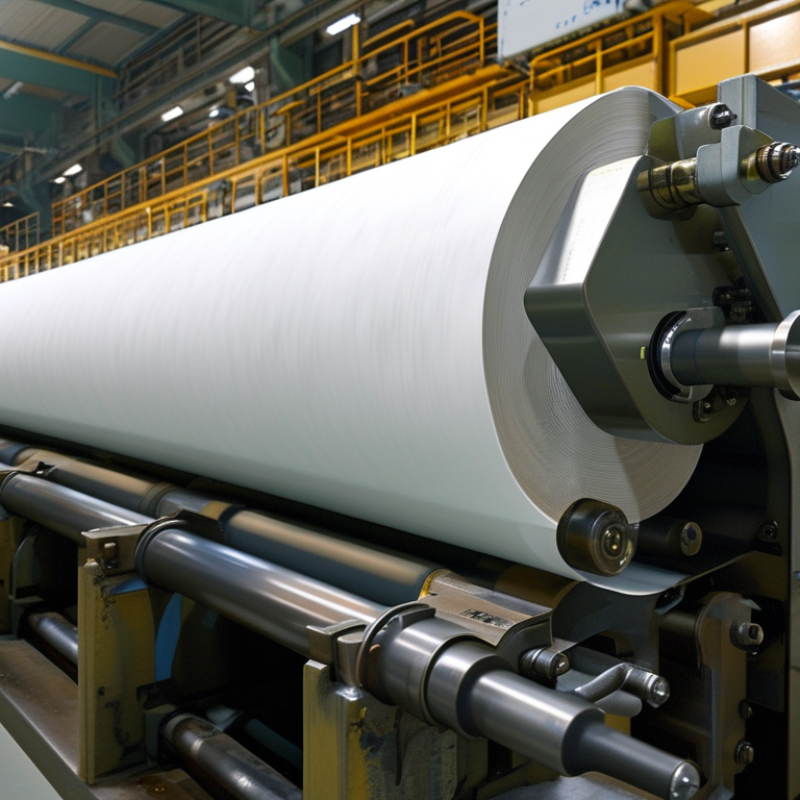
10 Key Factors Impacting Paper Forming Machine Production Speed?

Overview of Paper Forming Machines and Their Production Speed

Paper forming machines play a crucial role in the production of paper products. Their efficiency directly affects production speed. Recent industry reports indicate that production speed can reach up to 300 meters per minute. Factors like machine design and material flexibility are significant. Precision in component alignment is vital for optimal operation. Slight misalignments can lead to wastage and reduced speeds.

The width of the forming section impacts overall output. A wider section often increases the rate, but adjustments can be tricky. Balancing speed with material stability is essential. Furthermore, environmental conditions such as humidity and temperature play a role. Machines often require calibration based on these factors. Neglecting these adjustments can hamper efficiency. The monitoring of vibrations can also offer insights into machine health. A small increase in vibration often indicates underlying issues.

In addition, the choice of pulp affects production time. Lower quality pulp may cause blockages, slowing down machines unexpectedly. Operators must frequently assess materials to maintain speed. Regular maintenance is crucial but often overlooked. Ignoring minor repairs can lead to larger issues in the long run. Despite advancements, the industry still wrestles with balancing speed and quality.

Key Mechanical Components Influencing Machine Efficiency

The efficiency of a paper forming machine heavily relies on its mechanical components. Key parts like the forming section and drying system play crucial roles in production speed. According to industry reports, the forming section contributes over 30% to the overall efficiency. It involves complex interactions between wires, additives, and pulp. A small misalignment can hinder output significantly.


Another critical component is the drying system, which impacts moisture removal and affects paper quality. Studies indicate that optimizing the drying temperature can increase speed by up to 20%. However, this sometimes leads to a trade-off between speed and quality. Operators must monitor these adjustments closely.


Regular maintenance of these components is vital. Spare parts can wear out more quickly than expected, impacting performance. Industry experts recommend a maintenance schedule every month for high-speed machines. This practice can lead to unexpected downtime if not adhered to. Small issues can escalate quickly, disrupting production and raising costs.

Effect of Raw Material Quality on Production Rate

The quality of raw materials plays a pivotal role in the production speed of paper forming machines. High-grade fibers ensure stronger paper and smoother operations. Poor-quality materials lead to frequent machine adjustments and downtimes. Every material batch impacts the final output. Consistent raw material quality enables better control over the production line.

Tips: Always conduct a moisture test on raw materials before use. Excess moisture can slow down the drying process. Additionally, consider the fiber length; shorter fibers may reduce speed and strength. Monitor supplier quality regularly to ensure standards are met.

It's important to note that even the best raw materials can be inconsistent. Variability in natural fibers can affect the entire production process. Manufacturers must adapt to these challenges. Implementing quality checks at every stage helps mitigate risks. A reactive approach may catch issues late, so proactive strategies are crucial.

10 Key Factors Impacting Paper Forming Machine Production Speed - Effect of Raw Material Quality on Production Rate

Factor Description Impact on Production Speed (%)
Raw Material Quality High-quality fibers result in better bonding and faster processing. 25%
Moisture Content Optimal moisture levels enhance fiber manipulation. 15%
Additives Correct usage of additives improves fiber interaction. 10%
Machine Condition Regular maintenance ensures optimal performance. 20%
Temperature Control Maintaining ideal temperatures for processing. 12%
Pulping Process Efficient pulping techniques enhance fiber quality. 18%
Filtration Efficiency Better filtration leads to clearer pulp. 8%
Operational Training Well-trained operators enhance efficiency. 14%
Production Planning Effective planning streamlines workflow. 16%
Environmental Factors Stable environment reduces variability in production. 6%

Role of Machine Settings and Calibration on Output Speed

In the realm of paper forming machines, optimal machine settings and calibration play a pivotal role in determining production speed. Precision in parameters such as pressure settings, temperature controls, and material feed rates can significantly enhance output. According to industry reports, a mere 1% adjustment in pressure can lead to a 3% increase in production efficiency. This highlights the importance of even small tweaks in calibration.

However, it's crucial to recognize the potential pitfalls associated with incorrect settings. Over-calibrating may lead to products that do not meet quality standards, resulting in waste. A balance must be maintained between speed and product integrity. Continuous monitoring and adjustment are necessary to achieve the desired outcomes without compromising quality. Regularly revisiting settings can prevent long-term inefficiencies that often go unnoticed.

Tips: Ensure that calibration processes are documented meticulously. Regular training for operators on the importance of these settings is vital. Run periodic tests to gauge the impact of adjustments on production speed. This can identify areas needing attention and supports ongoing improvements in efficiency.

10 Key Factors Impacting Paper Forming Machine Production Speed

Impact of Operator Skill Level on Paper Forming Efficiency

Operator skill level plays a crucial role in the efficiency of paper forming machines. According to industry reports, skilled operators can enhance production speed by up to 30%. They understand the machinery better, troubleshooting issues quickly and reducing downtime. Without this expertise, even the best machines may struggle to meet their potential.

Tips: Invest in training programs. Continuous learning keeps operators updated on best practices. Simple adjustments in technique can lead to significant speed improvements.

Additionally, a lack of experience can lead to errors in setup and operation. Research indicates that inexperienced operators take 20% longer to complete the same tasks. Recognizing this skill gap is essential for manufacturers aiming to optimize output. Regular assessments of operator performance can guide targeted training efforts for skill enhancement.

Tips: Monitor key performance indicators. Tracking individual operator efficiency can identify areas needing attention. Small adjustments can lead to better outcomes and boost overall production efficiency.

FAQS

: What factors influence the efficiency of paper forming machines?

: Key factors include the forming section and drying system, affecting production speed and paper quality.

How much does the forming section contribute to overall efficiency?

The forming section contributes over 30% to the machine's overall efficiency.

What happens if the machine components are misaligned?

A small misalignment can significantly hinder output and disrupt production.

How can the drying system impact paper quality?

Optimizing the drying temperature can speed up production but may affect quality.

How often should maintenance be performed on high-speed machines?

Experts recommend monthly maintenance to prevent unexpected downtime and performance issues.

What is the effect of pressure adjustments on production efficiency?

A 1% adjustment in pressure can yield up to a 3% increase in production efficiency.

What risks are associated with incorrect machine settings?

Over-calibrating can lead to waste and products failing to meet quality standards.

Why is it important to document calibration processes?

Documentation helps maintain consistency and assists in identifying areas needing adjustments.

What should operators keep in mind regarding machine settings?

Continuous monitoring and adjustments are needed to balance speed and product integrity.

How can small issues escalate in machinery?

Small issues can quickly disrupt production, leading to increased costs and inefficiencies.

Conclusion

The production speed of paper forming machines is influenced by various key factors that can significantly impact overall efficiency. Understanding what factors affect the production speed of paper forming machines involves examining the mechanical components that drive performance, such as motors and conveyor systems, which are essential for optimal operation. Additionally, the quality of raw materials used plays a crucial role; higher quality fibers can enhance the production rate.

Moreover, proper machine settings and calibration are vital to maximizing output speed, as incorrect configurations can lead to inefficiencies. Lastly, the skill level of the operators is a critical component, as experienced personnel can troubleshoot issues and adjust processes to sustain high efficiency. By focusing on these elements, manufacturers can enhance the productivity of their paper forming machines.

Aria

Aria

Aria is a dedicated marketing professional with a deep passion for innovative strategies and a keen understanding of our company's product offerings. With a wealth of experience in the industry, Aria excels at crafting engaging content that highlights the unique features and benefits of our......