Ensuring the quality of formed paper cups and bowls is critical in today’s fast-paced food service industry. According to recent market research, the global disposable paper cup market is projected to reach $4.5 billion by 2025, driven by an increasing demand for sustainable food packaging. The ability to consistently produce high-quality products is vital for companies aiming to compete in this expanding market.
To address the challenge of maintaining quality, manufacturers must focus on sourcing high-grade raw materials and implementing efficient production processes. A report by Smithers Pira emphasizes that raw material quality directly affects the final product's durability and safety. Moreover, investing in advanced machinery can improve the uniformity of paper cups and bowls. However, it can be easy to overlook quality checks in the production cycle, leading to inconsistencies that affect customer trust.
Understanding how to ensure stable quality of formed paper cups and bowls involves regular training for staff and adherence to industry standards. Failing to prioritize these aspects can result in a significant decline in product quality. Continuous quality evaluations and incorporating feedback mechanisms can address these issues. By refining these processes, companies can elevate their standards and meet growing consumer expectations.
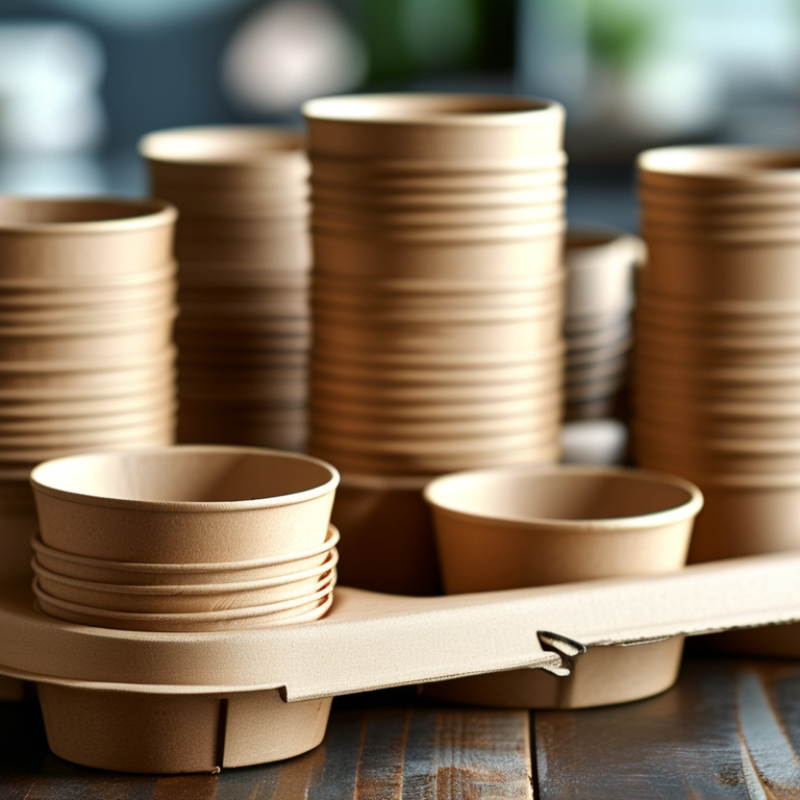
When producing high-quality paper cups and bowls, the right ingredients play a crucial role. The base materials should be sourced carefully. A blend of wood pulp and recycled paper delivers strength and sustainability. Many overlook the importance of these raw materials. Choosing inferior types can lead to weak and unreliable products.
For better quality, focus on the coating applied. A food-grade, biodegradable coating ensures safety and usability. This layer protects the paper from moisture and leaks. Customers appreciate a cup that doesn’t leak. Using a subpar coating compromises the integrity of the entire product.
Quality control during production is essential. Regularly check for defects in the paper’s texture and strength. Inconsistent quality often stems from overlooked details in the manufacturing process. Training staff to identify issues can enhance product reliability. Engaging in consistent quality assessments helps build trust with customers and improves overall satisfaction.
Understanding the nuances of paper grades is crucial for producing high-quality paper cups and bowls. Different grades affect durability, barrier properties, and user experience. For instance, high-grade paper provides better moisture resistance. Choosing lower grades might save money but can lead to leaks and customer dissatisfaction.
When selecting paper, pay attention to its thickness and coating. Thicker paper often means increased sturdiness. A good coating helps resist grease and moisture. This ensures that hot drinks or oily foods do not compromise the integrity of the cup or bowl. Regular assessments of paper quality can reveal subtle flaws in production.
To ensure quality, consistently test paper samples from different grades. This can shed light on how each grade holds up under various conditions. Additionally, consider adopting a review system for your supply chain. A thorough understanding of paper properties can guide you in making informed choices and maintaining high standards.
Coatings play a critical role in the performance of paper cups and bowls. They are designed to provide a barrier against liquids, ensuring that the containers maintain their integrity during use. According to a report by Smithers Pira, around 50% of paper cups in the market rely on polyethylene coatings to enhance durability and moisture resistance. This barrier layer prevents leakage, a common complaint among consumers, yet it brings its own set of challenges.
While these coatings improve functionality, they can contribute to environmental issues. The same report indicates that only about 9% of paper products are recycled in the United States due to coating materials. Consumers are increasingly aware of sustainability. They seek biodegradable or compostable options. Manufacturers face pressure to innovate while also maintaining quality. Finding a balance between performance and environmental impact remains a key challenge in this sector.
Research highlights that the choice of coating affects not only the end-use performance but also the overall lifecycle impacts of the product. The durability of coatings can mitigate material waste, yet some coatings may limit recyclability. This dichotomy requires careful consideration in product design and material use. As the industry evolves, testing and improving coating technologies will be essential for meeting both consumer expectations and sustainability goals.
| Tip Number | Quality Aspect | Description | Coating Role |
|---|---|---|---|
| 1 | Material Quality | Use high-grade paper to avoid leaks. | Coatings enhance waterproofing. |
| 2 | Thickness | Ensure cups and bowls have appropriate thickness. | Thicker coatings provide more protection. |
| 3 | Environmental Considerations | Choose biodegradable materials. | Eco-friendly coatings are essential. |
| 4 | Heat Resistance | Cups should handle hot liquids. | Special coatings can resist heat. |
| 5 | Seal Integrity | Inspect seals for leaks. | Coatings strengthen seals. |
| 6 | Print Quality | Ensure clear and accurate prints on surfaces. | Certain coatings enhance print adhesion. |
| 7 | Cost Efficiency | Balance quality and cost. | Investing in quality coatings may reduce waste. |
| 8 | User Experience | Focus on ease of use and handling. | Coatings can improve grip and usability. |
| 9 | Compliance with Standards | Adhere to food safety regulations. | Coatings must be food-safe. |
| 10 | Testing and Feedback | Conduct trials and gather user feedback. | Coatings should be tested for durability. |
Sustainability is crucial in paper product manufacturing. It begins with sourcing raw materials responsibly. Manufacturers often choose recycled paper or sustainably harvested fibers. This decision helps reduce deforestation and waste. However, the effectiveness of recycling processes varies. Not all paper used is from truly green sources.
Water usage in production is another critical factor. Some processes consume immense amounts of water. Finding ways to minimize this consumption is essential. Implementing closed-loop systems can help. These systems recycle water and reduce the overall environmental footprint. Nevertheless, not every facility has the means to adopt these technologies.
Biodegradability is important too. Many paper products do not decompose easily in landfills. Joining forces with innovative materials can lead to more environmentally friendly options. Pollution from inks and additives is another area needing attention. It's vital to explore non-toxic alternatives for a safer product. The journey towards sustainability is ongoing and requires persistent efforts and reflection in the industry.
Quality control is crucial in the production of paper cups and bowls. Effective measures must be integrated from the initial stages to the final product. Research indicates that up to 35% of defects occur in production lines due to inconsistent material quality. This highlights the importance of raw material checks before manufacturing begins. Proper inspections provide a foundation for achieving high-quality standards.
Monitoring production processes is essential. Regular quality audits help in identifying issues early on. Data shows that companies using automated inspections reduce defects by 25% compared to those relying solely on manual checks. Effective training of staff about quality protocols is another key element. Employees equipped with the right knowledge can significantly impact the overall quality of the output.
Finally, it is important to assess the finished products using standardized testing methods. For instance, durability tests can ensure that paper cups can hold liquids without leaking. Adherence to industry standards minimizes complaints and returns. Inconsistent adherence to these practices may lead to increased customer dissatisfaction. Additionally, less than optimal processing times can reduce efficiency and quality. These reflections show that while many companies prioritize quality, refining processes can lead to significant improvements.
: Different paper grades affect durability and user experience. High-grade paper provides better moisture resistance.
Pay attention to its thickness and coating. Thicker paper often means increased sturdiness.
Coatings provide a liquid barrier. They prevent leakage but can create environmental issues.
Only about 9% of paper products are recycled due to coating materials. Sustainability is a growing concern.
It impacts performance and recyclability. Some coatings enhance durability but limit recycling options.
Sourcing recycled paper reduces deforestation. Biodegradable options also contribute to environmentally friendly practices.
Implementing closed-loop systems helps recycle water. Not all facilities can afford these technologies.
Many paper products do not decompose easily in landfills. Innovative materials can improve biodegradability.
Recycling processes vary in effectiveness. Not all materials are sourced from truly green origins.
Balancing performance with environmental impacts requires ongoing reflection and innovation in materials.
To ensure stable quality of formed paper cups and bowls, it is essential to focus on several key factors. First, the selection of high-quality raw materials plays a vital role, as the ingredients significantly influence the strength and durability of the final product. Understanding the different paper grades and their characteristics can help manufacturers choose the right type for specific applications, thus enhancing performance.
Additionally, the application of effective coatings is critical for improving the moisture resistance and overall functionality of paper cups and bowls. Sustainability considerations should also guide production practices, ensuring eco-friendly processes are employed. Finally, implementing rigorous quality control measures throughout the production process will help identify and rectify issues, ultimately leading to consistent product quality. These strategies collectively contribute to maintaining the stability and reliability of paper cups and bowls in a competitive market.

Jinli Machinery