Energy consumption in production machines is a pressing concern. As industries strive for efficiency, the question arises: how to reduce energy consumption of production machines? This challenge is crucial. High energy costs can significantly impact profitability. Manufacturers need innovative solutions to enhance efficiency while minimizing expenses.
One effective approach involves regular maintenance. Timely checks can prevent machines from consuming excess energy due to wear or faults. Moreover, upgrading to energy-efficient machines can yield long-term savings. Utilizing modern technology enhances performance and reduces consumption. Data analytics can help track energy usage, pinpointing areas for improvement.
Implementing employee training is also vital. Workers must understand how their actions influence energy use. Small changes in operations can lead to substantial savings. Reflecting on current practices is essential for finding hidden opportunities for efficiency. These insights pave the way for sustainable production processes. Companies can achieve significant reductions in energy consumption through thoughtful strategies and reflections.
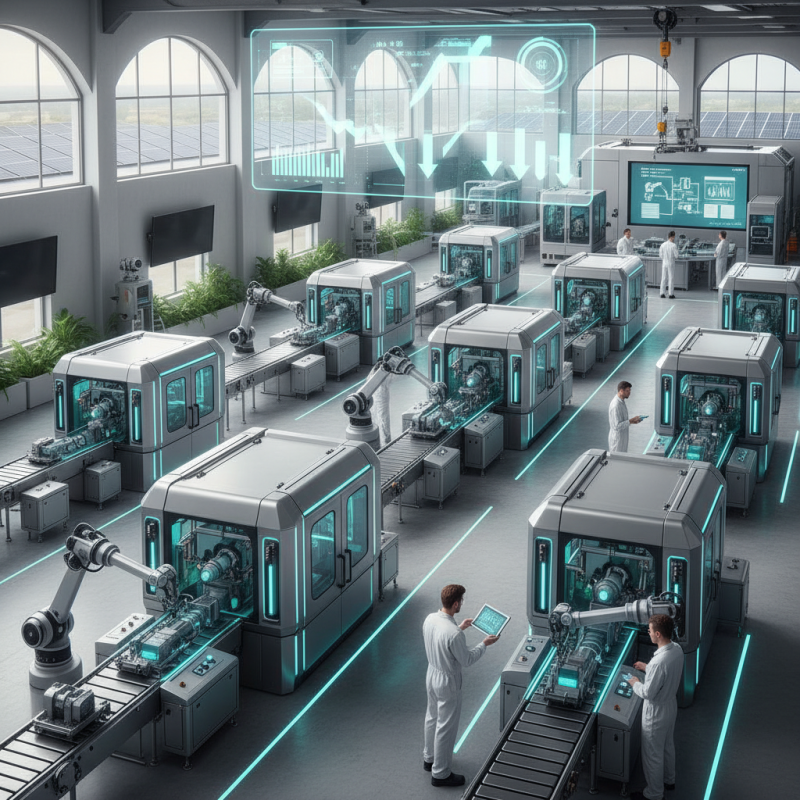
Energy audits are essential for understanding the efficiency of production machines. They reveal where energy is consumed and where it can be reduced. According to the U.S. Department of Energy, industries can reduce energy consumption by 10-30% through well-conducted audits. This reduction is not just about the machines; it also involves the overall production process.
Conducting an energy audit involves several steps. First, collect data on machine operation hours, energy bills, and maintenance records. This information lays the groundwork for analysis. Next, observe the machines in action. Look for any inefficiencies, such as leaks or excessive idle times. The average manufacturing facility wastes about 20-30% of energy due to such issues. Internal discussions among team members can help uncover operational habits that lead to waste.
After assessment, benchmark the machines' performance against industry standards. This helps identify areas needing improvement. Some machines may perform below expectations, highlighting the need for upgrades or retrofits. Addressing these findings can lead to significant energy savings and enhance productivity. The process is not always perfect. Some audits may not capture important nuances, so regular reviews are necessary to adapt and improve energy management strategies.
: Optimizing machine settings enhances energy efficiency in production and reduces energy waste significantly.
Small adjustments, like calibrating machines, can lead to substantial energy savings over time.
Adjust speed and load settings; running machines at lower speeds can minimize energy use effectively.
Regular calibration is essential; it helps maintain machine effectiveness and prevents unnecessary energy loss.
Employee training fosters awareness and accountability, potentially reducing energy consumption by up to 20%.
Simple habits, like switching off machines during breaks, can lead to significant energy savings.
Use engaging materials, practical workshops, and real-world scenarios that employees can relate to.
Not every operator feels comfortable making adjustments, which might lead to missed energy savings.
Encouraging employees to share feedback can highlight areas for improvement and enhance energy efficiency continuously.
Fostering a culture of continuous learning allows companies to adapt and improve their energy practices.
To address the question of "How to reduce energy consumption of production machines," organizations can implement several effective strategies. First, conducting thorough energy audits can identify areas of excessive energy use and opportunities for improvement. Optimizing machine settings tailored for energy efficiency helps in minimizing wastage during operations. Regular preventative maintenance plays a crucial role in ensuring machines operate at peak efficiency, further reducing energy waste.
Additionally, investing in energy-efficient technologies and upgrades can significantly lower energy consumption in the long run. Lastly, fostering a culture of energy conservation through employee training programs can encourage staff to adopt energy-saving practices in their daily tasks. By combining these strategies, businesses can achieve greater sustainability and cost savings while minimizing their environmental impact.

 Jinli Machinery