Top 10 Ways to Reduce Material Waste in Paper Cup Production?

Time:2026-05-09 Author:Henry
0%

In the modern world, sustainability is crucial for industries. Paper cup production is a significant contributor to material waste. Understanding how to reduce material waste in paper cup production is essential for manufacturers. Each year, millions of paper cups end up in landfills. Many are unaware that these items can be recycled.

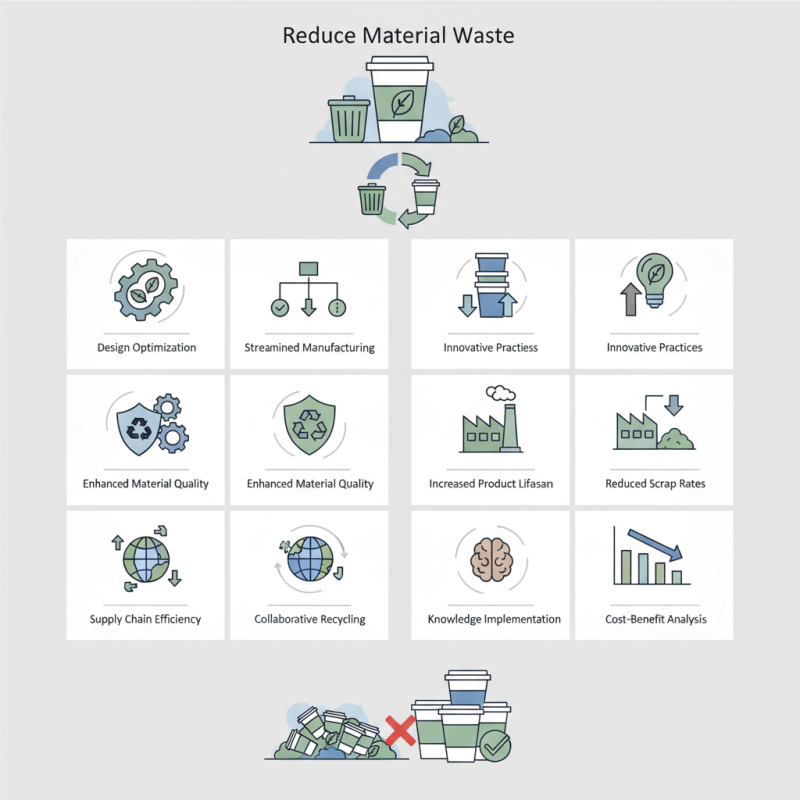
Efforts to minimize waste begin with design. Streamlining processes can significantly lower scrap rates. Investing in better materials may also enhance product lifespan. However, challenges remain in achieving optimal use of resources. Companies often face pressure to reduce costs, which can complicate sustainability efforts.

Engaging in innovative practices is necessary. Collaborations with recycling firms offer new pathways for waste reduction. Rethinking supply chains can lead to efficiencies. Yet, there is a gap between knowledge and implementation that needs addressing. Reducing material waste is not just a trend; it is a critical imperative for the future.
Top 10 Ways to Reduce Material Waste in Paper Cup Production?

Innovative Design Approaches to Minimize Paper Usage in Cups

The production of paper cups poses significant environmental challenges, particularly in waste generation. Innovative design approaches can play a crucial role in minimizing paper usage. For instance, a recent study by the Paper and Paperboard Packaging Environmental Council found that optimizing cup shape and structure can reduce material consumption by up to 30%. This not only lowers waste but also reduces costs.

Incorporating thinner materials in the design of paper cups can lead to material efficiency. Mills are now experimenting with lighter-weight papers that maintain durability. However, achieving balance is vital. Thinner cups could compromise strength, annoying consumers who expect sturdiness. Testing designs in real-world scenarios helps refine these approaches.

Another strategy involves standardized sizes. Uniform sizes can streamline production processes. This standardization encourages the use of templates, reducing scrap material significantly. Yet, it is crucial to recognize that nature of consumer demand may vary, leading to challenges in achieving full standardization. Continuous innovation is essential to address these concerns effectively.

Utilizing Sustainable Materials for Eco-Friendly Production

In recent years, the paper cup industry has faced increasing pressure to adopt sustainable practices. With approximately 16 billion paper cups used annually in the U.S. alone, finding eco-friendly production methods is essential. Utilizing sustainable materials is a key strategy to reduce material waste. For example, cups made from recycled paper can significantly minimize environmental impact.

Implementing bioplastics in production can offer a more sustainable alternative. Studies show that bioplastics can reduce greenhouse gas emissions by up to 75% compared to traditional materials. Additionally, these materials are often biodegradable, promoting a circular economy. This shift not only benefits the environment but also appeals to eco-conscious consumers.

Tips to consider: source raw materials locally to cut down on transportation waste. Invest in technology that optimizes material usage during the production process. Regular audits can also help identify waste reduction opportunities. By exploring these sustainable materials, manufacturers can contribute to a healthier planet while meeting growing consumer demand for eco-friendly options.

Top 10 Ways to Reduce Material Waste in Paper Cup Production

Method Description Sustainability Impact Estimated Waste Reduction (%)
Use Recycled Materials Incorporating recycled fibers in paper cup production. Reduces virgin material demand. 30%
Optimize Design Engineered designs to minimize material use. Improves resource efficiency. 20%
Implement Lean Manufacturing Streamlining processes to eliminate waste. Increases efficiency and reduces scrap. 25%
Invest in Technology Utilizing advanced machinery to enhance precision. Reduces overproduction and waste. 15%
Use Eco-Friendly Coatings Replacing traditional coatings with biodegradable options. Less environmental impact post-use. 10%
Train Employees Educating staff on waste reduction techniques. Promotes a culture of sustainability. 5%
Recycling Scrap Materials Reintegrating scrap into the production cycle. Reduces disposal costs and waste. 40%
Supplier Collaboration Working with suppliers to improve material efficiency. Enhances overall supply chain sustainability. 15%
Utilize Modular Design Modular products for easier assembly and disassembly. Facilitates recycling and reuse. 20%
Community Engagement Partnering with communities for sustainability initiatives. Promotes wider adoption of eco-friendly practices. 10%

Implementing Efficient Cutting Techniques to Reduce Scrap Waste

Reducing material waste in paper cup production is critical. Efficient cutting techniques are a key strategy. By optimizing cutting patterns, manufacturers can significantly minimize scrap waste. Small adjustments to the design or layout can lead to big savings.

Implementing a nesting strategy can enhance material usage. This involves arranging the cut items efficiently. Identify the best layout to maximize space. A well-planned nest reduces leftover material. It's often overlooked but crucial for efficiency.

Investing in high-quality cutting tools is essential. Dull blades can lead to more scrap. Regular maintenance ensures optimal performance. Consider training staff on proper cutting techniques. Skilled workers contribute to waste reduction. Their expertise makes a difference. Reflecting on these practices can reveal new opportunities for improvement.

Top 10 Ways to Reduce Material Waste in Paper Cup Production

Adopting Lean Manufacturing Principles for Optimal Resource Use

In paper cup production, adopting lean manufacturing principles can significantly reduce material waste. Lean methods focus on maximizing efficiency while minimizing waste. According to a 2022 report by the Paper and Packaging Board, manufacturers can cut waste by up to 30% using these principles. This is achieved through the elimination of non-value-added activities.

One effective strategy is to analyze the entire production process. Streamlining operations can help identify areas where excess materials are used unnecessarily. For instance, modifying cutting patterns can lead to better utilization of raw materials. Furthermore, investing in predictive maintenance can avoid machine breakdowns, which often result in wasted resources. Research indicates that improper machine upkeep can lead to a waste increase of 15% in some cases.

However, implementing lean practices isn't always straightforward. Some companies face resistance to change from employees accustomed to traditional methods. This challenge highlights the need for continuous training and awareness. The transition can also incur short-term costs, which might deter smaller manufacturers from adopting lean principles. Despite these difficulties, the long-term benefits of reduced material waste and cost savings make it a worthy pursuit.

Enhancing Recycling Programs for End-of-Life Paper Cups

Enhancing recycling programs for end-of-life paper cups is crucial for reducing material waste. Recent studies show that over 60 billion paper cups are used annually in the United States. Yet, only about 1% of these cups are recycled effectively. This is largely due to the plastic lining in many paper cups that makes them difficult to process in traditional recycling systems.

To address these challenges, municipalities and companies must collaborate. Implementing specialized recycling stations for paper cups in public areas is one viable solution. These stations could be accompanied by clear signage to educate users on proper disposal methods. Moreover, enhancing partnerships with recycling facilities that can handle paper cups will increase recycling rates. Reports indicate that when communities invest in tailored recycling programs, recovery rates can exceed 30% for these materials.

While these initiatives are promising, there are still significant gaps in consumer awareness. Many people remain unaware of the recyclability of paper cups. Addressing this knowledge gap through outreach campaigns is essential. Clear communication about the recycling process and its benefits can help shift public perception and behavior. Improving recycling programs, alongside consumer education, creates a more sustainable approach to paper cup production and waste management.

FAQS

: How can the design of paper cups minimize material use?

: Optimizing cup shape can reduce paper usage by up to 30%. This lowers waste and costs.

What materials are being used to enhance paper cup durability?

Mills are experimenting with lighter-weight papers. These maintain strength while reducing material use.

Why is standardization of cup sizes important?

Uniform sizes streamline production and reduce scrap material. However, consumer demand may vary.

What role do recycled materials play in cup production?

Using recycled paper helps minimize environmental impact significantly. It's a key strategy for sustainability.

How can bioplastics improve paper cup production?

Bioplastics reduce greenhouse gas emissions by up to 75%. They are also biodegradable, supporting sustainability.

What is a practical tip for manufacturers to reduce waste?

Source raw materials locally to cut transportation waste. This is often overlooked but crucial.

What challenges come with using thinner materials for cups?

Thinner cups may lack the expected sturdiness. This could annoy consumers and impact sales.

Why is continuous innovation necessary in paper cup design?

Consumer preferences change frequently. Manufacturers must adapt designs to meet evolving demands effectively.

How can regular audits help in manufacturing?

They identify waste reduction opportunities during production. This can lead to more eco-friendly practices.

What should manufacturers consider when adopting new materials?

Balance is vital. New materials must not sacrifice durability for the sake of being eco-friendly.

Conclusion

In addressing the question of how to reduce material waste in paper cup production, several innovative strategies can be employed. First, adopting design approaches that minimize paper usage can lead to significant reductions in waste, while utilizing sustainable materials ensures that the production process is eco-friendly. Efficient cutting techniques can further enhance resource use by lowering scrap waste, significantly improving overall efficiency in the manufacturing process.

Additionally, the implementation of lean manufacturing principles allows for the optimal use of resources throughout production, contributing to sustainability goals. Finally, enhancing recycling programs for end-of-life paper cups ensures that materials are repurposed effectively, creating a circular economy. Together, these methods present a comprehensive approach to mitigate material waste in the production of paper cups.

Henry

Henry

Henry is a dedicated marketing professional with a profound expertise in the company's offerings. With years of experience in the industry, he possesses an impressive understanding of the market dynamics and consumer behaviors that drive success. Henry is committed to sharing his insights through......