In today's fast-growing market for disposable paper products, selecting the right machine is crucial. Experts like John Smith, a renowned consultant in the paper production industry, emphasize, "Choosing the right machine is half the battle." This highlights the importance of making informed decisions that can significantly impact production efficiency and product quality.
When considering how to choose the right machine for disposable paper products, various factors come into play. The type of paper, production speed, and machinery durability are all critical elements. Each machine has unique features that may better serve specific manufacturing needs. While numerous options exist, not all choices will align with your production goals. Consumers must evaluate their needs carefully.
Many businesses encounter challenges in this process. They often rush into purchasing, only to realize that the equipment isn't suitable. It's essential to weigh not just the initial costs but also maintenance and operational expenses. Reflecting on these aspects can avoid future complications. Choosing wisely ensures your venture thrives in the competitive disposable paper market.
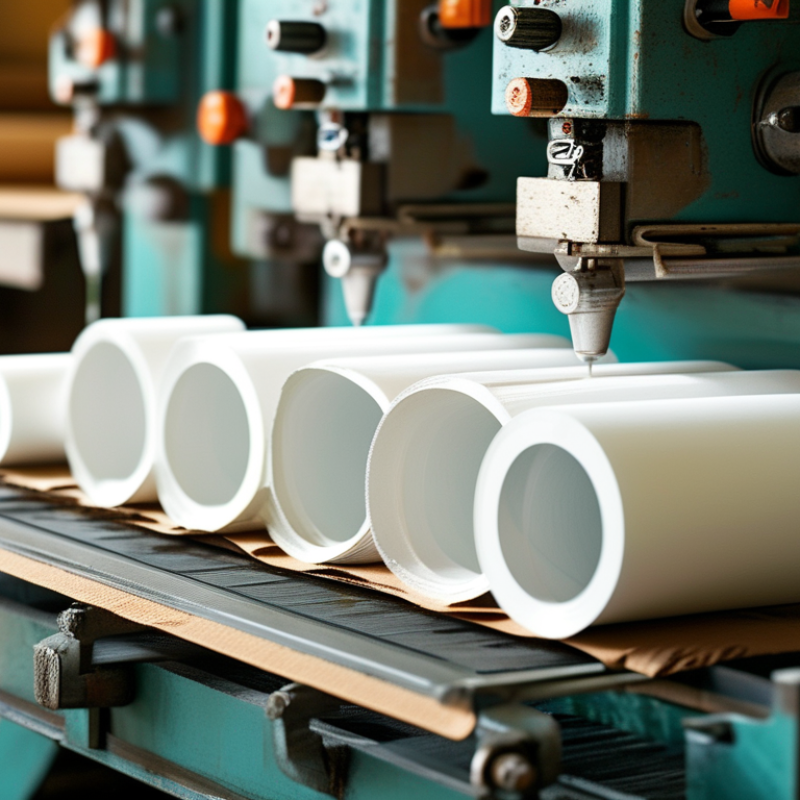
Understanding the Different Types of Machines for Disposable Paper Production
When selecting a machine for disposable paper production, understanding the types available is critical. Several machine types cater to different needs. Each one brings unique features and capacities. For instance, some machines focus on producing napkins, while others specialize in cups or plates. According to industry reports, the global disposable paper market is expected to reach $60 billion by 2025. This growth amplifies the need for efficient machinery.
A paper cup machine can produce anywhere from 40 to 120 cups per minute. These machines often feature advanced technology for printing and embossing. However, the quality of output can vary widely. Choosing a machine with customizable settings can help address this issue. On the other hand, tissue paper machines, designed for high-speed production, can generate up to 800 tons of tissue paper monthly. These statistics illustrate the importance of matching production capacity with demand.
Quality assurance plays a critical role during the selection process. Machines that ensure tight tolerances can reduce waste and improve product quality. Nonetheless, it's crucial to investigate whether the machine can handle variations in raw material quality. Industry experts recommend assessing the long-term operational costs of each machine type. Ultimately, understanding these differences can significantly influence production outcomes.
Key Features to Consider in Disposable Paper Production Machines
When selecting a machine for disposable paper production, understanding key features is essential. The global disposable paper market is projected to reach $80 billion by 2026, highlighting the importance of efficient machinery. Important aspects include production capacity, energy efficiency, and versatility in paper types. Machines with higher production rates can significantly reduce operating costs.
One crucial feature to consider is the machine's energy consumption. Research indicates that energy-efficient models can reduce operational costs by up to 30%. Look for machines with optimized energy usage and features like automatic shut-off functions. This can lead to substantial savings over time.
Durability is another factor that should not be overlooked. Disposable paper machines undergo rigorous use, so robust construction is vital. Materials should withstand long production hours without frequent breakdowns.
Tip: Always review maintenance requirements before selecting a machine. Some models may seem appealing due to low initial costs but have high upkeep expenses. Additionally, consider available parts and service support for long-term reliability.
Lastly, assess the machine's adaptability to produce various paper products, from napkins to tableware. Flexibility in production can cater to market demands and reduce waste. Keep these elements in mind to make an informed decision.
Evaluating Production Capacity and Efficiency of Paper Machines
Choosing the right machine for disposable paper production is crucial. Evaluating production capacity and efficiency comes first. A high-capacity machine can produce over 200 tons of paper per day. This is vital for meeting market demand. Many factories aim for an efficiency rate of 85% or higher. Lower rates can significantly cut profits.
The Papermaking Technologies report highlights that energy consumption is a key factor. Machines that use less energy are more efficient and cost-effective. Additionally, industry standard efficiency often sits around 75%. Choosing a machine with a strong track record in energy savings can reduce operational costs.
However, it's not just about raw numbers. Quality control systems in machines are also essential. Documenting and analyzing defects can lead to improvements. Sometimes, machines that excel in one area may falter in another. Balancing capacity, efficiency, and quality is necessary for long-term success.
How to Select the Best Machine for Disposable Paper Production? - Evaluating Production Capacity and Efficiency of Paper Machines
| Machine Type |
Production Capacity (tons/day) |
Operational Efficiency (%) |
Energy Consumption (kWh/ton) |
Maintenance Cost (per month) |
| High-Speed Machine |
50 |
90 |
200 |
$1500 |
| Standard Machine |
30 |
85 |
250 |
$1200 |
| Economical Machine |
20 |
80 |
300 |
$800 |
| Versatile Machine |
40 |
88 |
220 |
$1300 |
| Compact Machine |
15 |
75 |
350 |
$600 |
Assessing Maintenance Needs and Durability of Paper Production Equipment
When selecting equipment for disposable paper production, assessing maintenance needs and durability is crucial. A recent industry report indicates that 60% of paper production equipment failures arise from inadequate maintenance practices. Regular maintenance can extend the lifespan of machines significantly, often by 20-30%. Thus, understanding the maintenance requirements of these machines is essential for long-term operational efficiency.
Tips: Schedule regular maintenance checks. This includes inspecting wear parts, lubricating hinges, and calibrating settings. A small investment in maintenance can prevent costly downtimes.
Durability is another critical factor. Machines constructed from high-quality materials tend to withstand wear and tear better. For example, equipment with stainless steel components shows a 40% increase in resilience compared to those made from standard metal. However, even the best equipment requires proper handling. Operators must be trained to recognize early signs of wear and address them before they escalate.
Tips: Invest in operator training. Empower your team to spot issues early. Prevention saves money and ensures consistent production rates.
Comparing Costs and Budgeting for Disposable Paper Machines
When budgeting for disposable paper machines, understanding the costs involved is crucial. Industry reports indicate that the typical price range for a mid-sized paper production machine can vary from $150,000 to $500,000. Operational costs, including raw materials and maintenance, can add significantly to this figure. Efficient machines may cost more upfront but save on energy and labor, showing long-term savings. Analyzing total cost of ownership is vital for good budgeting.
Tips: Always assess the energy consumption of machines. Low-energy models can significantly cut electricity bills. Inspect the machine’s reliability and failure rates in industry surveys. A reliable machine minimizes downtime, directly impacting production costs.
Investing wisely means considering future scalability. If your production needs grow, will the machine adapt? Reports suggest that companies looking to expand within five years should invest in flexible, modular machines. This helps avoid unnecessary replacement costs later. Compare various options and look for long-term partnerships to share insights and improve efficiency.
Cost Comparison of Disposable Paper Production Machines
This chart compares the costs associated with different disposable paper production machines, aiding in the selection process for budget-conscious buyers.
Conclusion
When considering how to choose the right machine for disposable paper products, it is essential to understand the various types of machines available for paper production. Each machine type has specific features that cater to different production needs, making it crucial to identify what aligns best with your production goals. Key features such as speed, size, and automation capabilities should be evaluated to ensure efficiency in meeting demand.
Additionally, assessing the production capacity and overall efficiency of the machines will play a vital role in maximizing output. Maintenance needs and the durability of the equipment must also be considered to avoid unexpected operational costs. Finally, comparing costs and establishing a budget are important steps to ensure that the chosen machine not only meets production requirements but is also financially viable for your business.

 Jinli Machinery