The paper bowl manufacturing industry is growing rapidly, with an estimated market size of over $5 billion in 2022. As demand increases, so do the complexities of paper bowl forming machines. Understanding how to solve common faults in paper bowl forming machines is essential. Malfunctions can halt production, leading to significant financial losses.
Industry reports show that up to 30% of production downtime is caused by machine faults. This emphasizes the need for effective troubleshooting strategies. Operators and engineers must be adequately trained to address these issues. Regular maintenance and practical knowledge can drastically reduce the frequency of breakdowns.
Many manufacturers struggle with common problems like improper sealing or paper jams. Identifying root causes is critical. Utilizing data from operational performance can aid in diagnosing problems early. Engaging with experts in the field can also provide insights into efficient fault resolution. Being proactive saves both time and resources, making it a worthwhile investment for any operation.
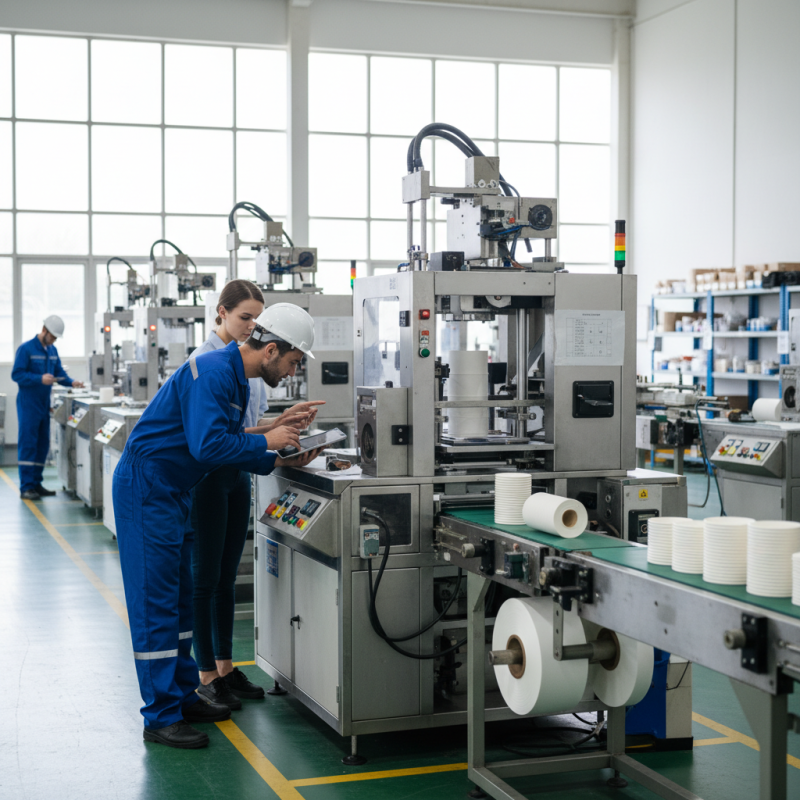
Identifying Common Faults in Paper Bowl Forming Machines
Identifying common faults in paper bowl forming machines is crucial for ensuring efficient production. These machines are delicate and can experience a variety of issues. One common fault is inconsistent bowl shapes. This problem often arises from improper machine settings. Regularly check the die adjustments to maintain uniformity in production.
Another frequent issue is paper jamming. This can disrupt the workflow and lead to wasted materials. Inspect the paper feed rollers to ensure they are clean and functioning well. If you notice a delay in feeding, it may be time for maintenance. Noticing these details can save time and resources.
Lastly, overheating is a concern that can cause machine breakdown. It might happen when the machine runs for extended periods without breaks. Monitoring the temperature levels can help prevent this situation. Adjust the machine's working schedule accordingly. Addressing these faults promptly can enhance production reliability.
Step-by-Step Troubleshooting Techniques for Paper Bowl Machines
Troubleshooting paper bowl forming machines can often be tricky, yet essential for maintaining productivity. Common issues include irregular bowl shapes, inconsistent sealing, and machine jams. According to a recent industry report, up to 25% of production downtime is linked to machine malfunctions. Understanding these faults is the first step toward effective solutions.
For irregular bowl shapes, check the forming molds. Wear and tear can cause distortion. Regularly inspect these components for damage and replace them as necessary. Also, ensure the raw materials meet quality standards. Using subpar paper can lead to defects.
Tip: Implement a regular maintenance schedule. This proactive approach can minimize issues over time. In addition, keep an eye on humidity levels in your workspace. Fluctuations can impact paper quality and mold performance.
Inconsistent sealing often arises from temperature inconsistencies in the heat sealing unit. Conduct routine checks to ensure the temperatures are within manufacturer specifications. Use a reliable thermometer for accurate readings.
Tip: Train operators on machine settings. Even small adjustments can have a significant impact. Remember, not all troubleshooting leads to immediate solutions. Continuous learning and adaptation are key. Each malfunction provides insights for improvement.
Preventive Maintenance Practices to Avoid Machine Faults
Preventive maintenance is crucial for paper bowl forming machines. Regular checks can help detect issues early. Inspecting the machine's components weekly can save time and money. Gears, belts, and sensors often wear out. Addressing these problems promptly is key.
Lubrication is essential. It reduces friction and prolongs machine life. Ensure that you use the right lubricant and apply it appropriately. Over-lubrication can lead to other problems.
Keep an eye on the hydraulic system too. Regular fluid changes can prevent leaks and ensure smooth operation.
Consider developing a maintenance log. Documenting each check can reveal patterns over time. This approach helps in identifying recurring issues. Reflect on any faults that arise. Understanding their root cause will guide better practices in the future. Embracing a proactive attitude towards maintenance can significantly reduce unexpected downtimes.
Essential Tools Required for Diagnosing Paper Bowl Machine Issues
Diagnosing issues in paper bowl forming machines requires specific tools to ensure efficiency. Essential equipment includes a multimeter for checking electrical connections. This tool helps identify short circuits or faults. An infrared thermometer is also crucial to monitor the machine's temperature. Temperature inconsistencies can lead to defective bowls.
Replacing malfunctioning components demands attention to detail. A torque wrench is necessary to fasten screws properly, preventing further mechanical issues. According to industry reports, around 25% of production downtime stems from poorly executed maintenance. Regular maintenance with the right tools can significantly reduce this figure.
**Tip:** Always keep spare parts on hand. This simple step can minimize downtime during repairs. Regularly inspect your machine’s components using a checklist. This approach ensures you catch potential issues early. Remember, minor faults can escalate quickly if ignored. Investing in quality tools is not just about efficiency; it's also about prolonging the lifespan of your equipment.
Fault Diagnosis in Paper Bowl Forming Machines
When to Seek Professional Assistance for Machine Repairs
When dealing with paper bowl forming machines, identifying the right time to seek professional assistance is crucial. Sometimes, minor issues can be fixed with simple techniques. However, persistent or complex problems might require expert intervention. Recognizing the limits of your skills is vital.
Tips: Always observe the machine's performance. If you notice unusual noises or decreased output quality, it's time to evaluate the situation. Ignoring these signs can lead to more significant issues down the line.
Additionally, ensure regular maintenance checks. If the machine's performance fluctuates, check the components. Relying solely on basic troubleshooting can be tempting, but some problems are beyond DIY fixes.
Consider calling a technician when frequent breakdowns occur or when parts need replacement. Their expertise can save time and prevent costly repairs. Evaluating the situation realistically will help in making the best decision for your operations.
FAQS
: Preventive maintenance involves regular checks to detect issues early and keep machines running smoothly.
Inspect the machine's components weekly to identify problems before they escalate.
Lubrication reduces friction, prolongs machine life, and prevents wear and tear on parts.
Over-lubrication can create problems, so use the right amount of lubricant for optimal performance.
A maintenance log documents checks and helps reveal patterns, aiding in identifying recurring issues.
Seek professional help for persistent or complex issues that simple troubleshooting cannot fix.
Unusual noises or decreased output quality are signs that require immediate evaluation of the machine.
If breakdowns are frequent or parts need replacement, consider calling a technician for expertise.
DIY troubleshooting can help, but some issues are beyond basic skills and need expert intervention.
Reflecting on faults helps identify root causes and improves maintenance practices in the future.
Conclusion
In addressing the question of how to solve common faults in paper bowl forming machines, it's essential to first identify the typical issues that can arise during operation. Common faults may include malfunctions in the heating elements, improper alignment of components, or issues with the material feed. Following identification, implementing step-by-step troubleshooting techniques can effectively address these problems, ensuring machines operate at optimal efficiency.
Preventive maintenance practices play a critical role in avoiding potential faults. Regular inspections and servicing can mitigate the risk of significant breakdowns. Additionally, possessing the essential tools for diagnosing issues, such as multimeters and alignment gauges, is crucial for efficient troubleshooting. Finally, knowing when to seek professional assistance can save time and resources, especially in cases of complex malfunctions that require expert intervention. By following these guidelines, operators can effectively manage and resolve common faults in paper bowl forming machines.

 Jinli Machinery