In the competitive market of disposable packaging, the Paper Cup Rim Rolling Machine stands out as a vital tool for manufacturers. This machine plays a crucial role in enhancing the quality of paper cups. A well-rolled rim ensures better sealing and reduces the risk of leaks. As global demand for eco-friendly products rises, understanding this technology becomes essential.
Manufacturers benefit significantly from investing in this machinery. It allows for increased production efficiency and consistent quality. Reliable machines can handle various cup sizes and materials, illustrating versatility. However, selecting the right Paper Cup Rim Rolling Machine can be challenging. Buyers must consider factors such as production capability and maintenance requirements.
The industry is rapidly evolving. With advancements in technology, new machines offer improved features. Understanding these innovations is crucial for staying competitive. This article aims to navigate the options, highlighting key aspects buyers should reflect on. A well-informed choice can lead to better product output and customer satisfaction.
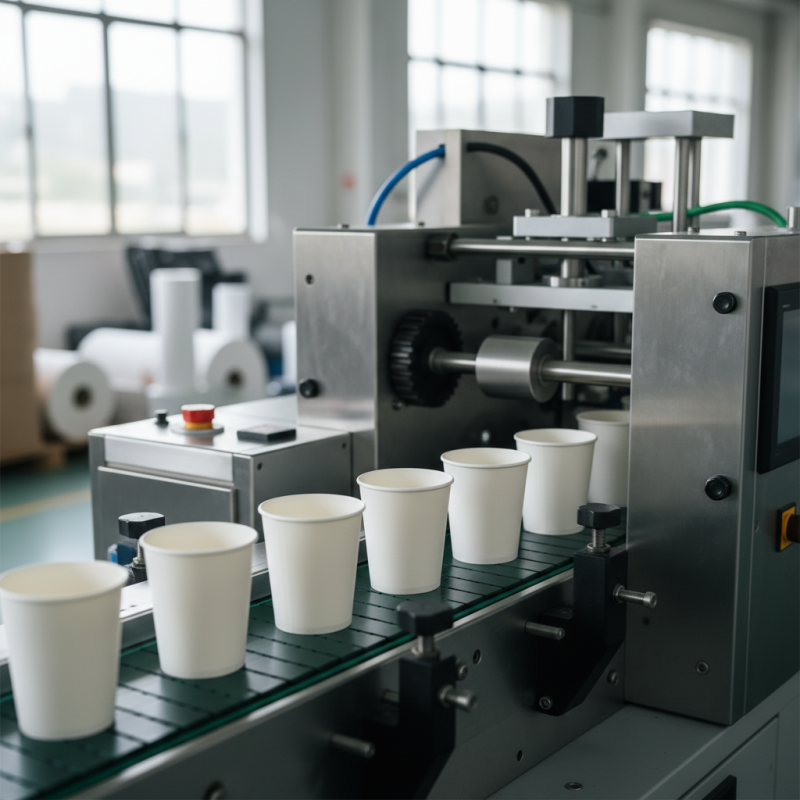
Overview of Paper Cup Rim Rolling Machines
When exploring paper cup rim rolling machines, understanding their function is essential. These machines are designed to roll the rims of paper cups smoothly. The rim is critical for bonding and sealing. A well-rolled rim ensures that the cups are sturdy and leak-proof. In the manufacturing process, precision is key. Any inconsistency can lead to defects and wasted materials.
The operation of these machines involves several steps. Paper sheets are fed into the machine, where they are cut into the right size. Next, the rims are rolled using a series of rollers. This is where efficiency matters. Machines must operate quickly to keep up with production demands. However, if not calibrated properly, the rolling may be uneven, leading to poor quality.
Operators need to be trained on the specifics of these machines. Understanding how to adjust the settings is crucial. Regular maintenance can prevent many common issues. Users must also be aware that different types of paper may require adjustments in the rolling process. This adds complexity, but it’s crucial for achieving high-quality results.
Key Features of the Top Paper Cup Rim Rolling Machines
In the competitive landscape of paper cup manufacturing, rim rolling machines play a critical role. These machines ensure consistent quality in the production of paper cup rims. Recent industry reports indicate that businesses are seeing a demand increase of 15% annually for eco-friendly disposable products. This underscores the necessity for efficient manufacturing processes.
Key features of top paper cup rim rolling machines include adjustable speed settings and user-friendly interfaces.
These features allow operators to optimize production according to varying demand. Additionally, many machines are equipped with advanced sensors to monitor quality in real-time. This helps to reduce waste and increases overall efficiency. According to a study by Market Research Future, the demand for advanced machinery in the paper cup market is predicted to rise significantly, reflecting the industry’s need for precision and reliability.
Despite technological advancements, there are challenges. Machines can sometimes face operational inconsistencies. Maintenance can be overlooked, leading to production delays. It’s crucial for manufacturers to invest in regular training for operators and ensure routine checks on their machines. Failure to address these shortcomings could hamper the efficiency that these machines promise. Adopting a proactive maintenance schedule can mitigate this issue, ensuring that production remains uninterrupted and meets market demand.
Comparative Analysis of Leading Brands in the Market
In recent years, the demand for paper cup manufacturing has surged globally. A comprehensive analysis conducted by industry experts reveals significant variations among the top paper cup rim rolling machines. Key performance indicators include production speed, energy efficiency, and durability. Many machines offer speeds of 30-50 cups per minute, an important factor for meeting market demands.
The materials used in machine construction also play a critical role. High-quality stainless steel frames increase durability. Moreover, the machines' design can impact maintenance needs. Reports suggest that regular maintenance can improve machine lifespan by up to 30%. A problem area noted is the consistency of rim formation across different brands. Inconsistent rims can lead to quality issues, impacting customer satisfaction.
Trade data indicates that markets are shifting toward more eco-friendly solutions. Brands that incorporate sustainable practices are seeing growth. However, some products still struggle with recyclability standards. Additionally, not all machines are built to handle various cup sizes efficiently, which can hinder versatility. Such challenges highlight the importance of careful selection for buyers.
Top Paper Cup Rim Rolling Machine - Comparative Analysis of Key Metrics
This bar chart illustrates the comparative metrics of different paper cup rim rolling machines, highlighting their speed, efficiency, durability, and price. It aims to assist potential buyers in understanding the key performance indicators of the machines available in the market.
Best Practices for Maintaining Rim Rolling Machines
Maintaining rim rolling machines requires diligence and a clear understanding of the equipment. Regular inspection of the rollers is essential. Over time, wear can affect the quality of the rim, leading to defects. Check for uneven wear on the rollers. This can signal a need for adjustment or replacement.
Proper lubrication is another critical aspect. Ensure the moving parts are adequately greased. However, over-lubrication can attract dust and grime, leading to malfunction. It’s a delicate balance that needs consistent attention. Operators should be trained to recognize early signs of wear and tear. Proper training improves maintenance practices and reduces downtime.
Cleaning the machine is often overlooked. Dust and debris can accumulate and cause issues. Regular cleaning helps maintain efficiency and the quality of production. Don’t underestimate the importance of a clean workspace. Ultimately, these practices contribute to improved output and reduced costs over time. Regular assessments create a culture of continuous improvement. Always be open to refining your methods to enhance performance.
Global Trends in Paper Cup Production and Technology
The global paper cup production industry is evolving rapidly due to changing consumer preferences and environmental concerns. According to a recent report by Statista, the paper cup market is expected to grow from $2.5 billion in 2022 to over $4 billion by 2026. This growth illustrates a shift towards sustainable packaging solutions. Notably, advancements in technology have enhanced production efficiency significantly. High-speed machines are now capable of producing thousands of cups per hour, revolutionizing traditional manufacturing methods.
As the demand for quality and eco-friendly products rises, manufacturers need to focus on innovation. Many are adopting automated systems that integrate monitoring technology to optimize production. This reduces waste and improves product consistency. However, not all companies have adapted swiftly, leading to a competitive gap. Businesses must be proactive in embracing new technologies to remain relevant in the market.
Tip: Investing in modern machinery not only boosts productivity but also aligns with sustainability goals. Explore options that offer versatile production capabilities. Always evaluate the long-term benefits against initial costs.
Emphasizing the importance of quality, some manufacturers sometimes struggle with consistency. Variations in cup dimensions can pose challenges. Ensuring quality control is crucial to meet customer standards. Regular inspections and feedback loops can help address these issues effectively.
FAQS
: These machines roll the rims of paper cups for bonding and sealing. A smooth rim ensures sturdiness and leak-proof quality.
Paper sheets are cut, and rims are rolled using rollers. Efficiency is vital to meet production demands and maintain quality.
Operators need to adjust settings correctly. Misadjustments can lead to uneven rolling and quality defects, impacting production.
Regular inspections and proper lubrication are key. Dust removal and consistent cleaning also help maintain efficiency and production quality.
Excess grease can attract dust and grime, causing malfunctions. Finding the right balance is crucial for smooth operation.
There’s a shift towards sustainable packaging solutions. The market for paper cups is expected to grow significantly in the coming years.
High-speed machines improve production efficiency, allowing for thousands of cups to be made per hour. Adaptation is vital for competitiveness.
Variations in cup dimensions can lead to customer dissatisfaction. Regular inspections help maintain quality standards and consistency.
Some struggle with consistency, leading to defects. Continuous feedback and inspections are essential to address these issues.
New technology boosts productivity and supports sustainability goals. It's important to weigh long-term benefits against initial costs.
Conclusion
The article titled "Top Paper Cup Rim Rolling Machine for Global Buyers?" provides a comprehensive overview of Paper Cup Rim Rolling Machines, highlighting their significance in the paper cup production process. It outlines key features that define the best machines in the market, such as efficiency, precision, and user-friendly interfaces. Furthermore, a comparative analysis enables buyers to understand the leading brands that dominate the industry, assisting them in making informed decisions.
In addition to exploring the technological advancements in rim rolling machines, the article emphasizes best practices for maintenance to ensure longevity and optimal performance. As global trends continue to evolve in paper cup production, manufacturers are expected to adopt innovative technologies to enhance productivity and sustainability. This makes the Paper Cup Rim Rolling Machine a vital investment for any business looking to stay competitive in the growing market.

 Jinli Machinery