Noise generated during machine operation can be a significant concern. It not only affects productivity but also impacts worker health and safety. Understanding how to reduce noise during machine operation is crucial for many industries. Various techniques can help achieve quieter environments while maintaining operational efficiency.
Experts suggest that noise can be minimized through both engineering controls and procedural changes. Implementing sound insulation, for instance, can effectively dampen noise levels. Additionally, scheduling maintenance regularly can help to identify and solve noise-related issues promptly. Machine operators must also be trained in techniques to operate machinery quietly.
Not every method works in every situation. Some approaches may require substantial investment, while others might not provide immediate results. It's essential to analyze specific operational contexts carefully. Balancing noise reduction with productivity can be challenging but is necessary for a sustainable workplace. Addressing noise is not just about comfort; it’s about creating a healthier work environment.
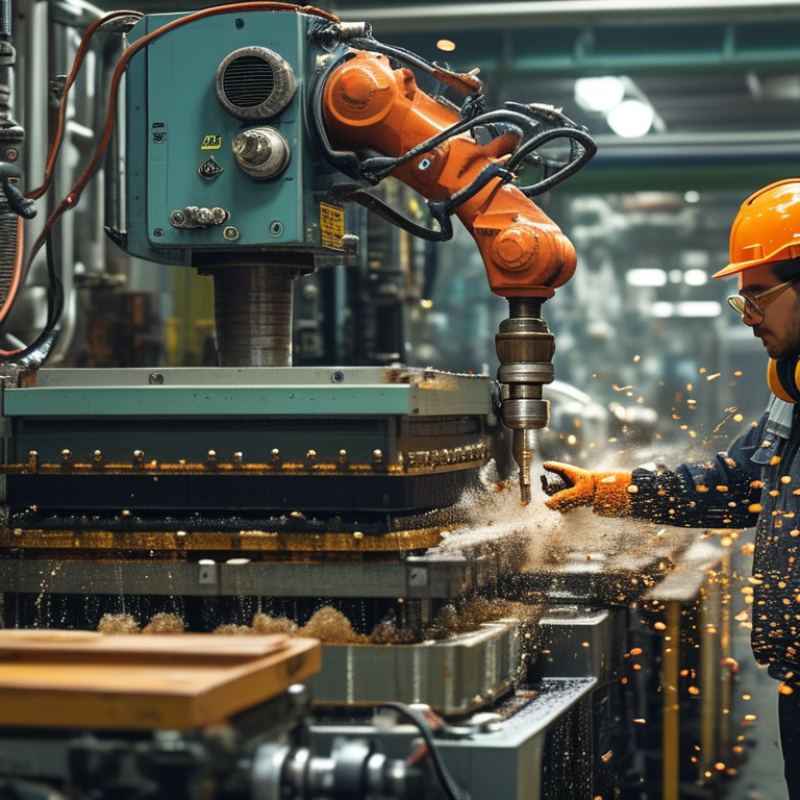
Effective machine placement and design are crucial in reducing noise levels during operation. Many industries report high noise levels, which can lead to worker fatigue and decreased productivity. According to the World Health Organization, exposure to noise levels above 85 dB can be harmful. Properly assessing the environment can lead to significant improvements.
Placing machines away from high-traffic areas is a simple yet effective solution. Ideally, machines should be located in dedicated areas where noise won’t disturb other operations. Sound-absorbing materials can be employed in construction to minimize reverberation. Incorporating acoustic barriers and soundproof enclosures is another way to cut down on noise.
Tip: Use vibration isolation mounts to diminish noise transmission from machines to the building structure. Regularly maintaining machinery is also vital. Worn-out components can create unnecessary noise. Keep in mind that even well-placed machines can contribute to noise if they are not properly maintained. By focusing on both placement and upkeep, noise levels can be managed effectively.
Industrial environments often face significant noise issues during machine operations. This noise not only affects worker productivity but also poses health risks. According to the National Institute for Occupational Safety and Health, exposure to noise levels above 85 decibels can lead to hearing loss over time. Implementing soundproofing materials becomes essential to mitigate these risks and improve overall work conditions.
Soundproofing materials come in various forms, including acoustic panels, soundproof curtains, and insulation. The use of these materials can reduce noise levels by up to 50%. For instance, installing acoustic panels on walls can absorb sound waves, preventing them from bouncing around the workspace. Additionally, materials like soundproof curtains can effectively dampen exterior noises that invade the workspace. This dual approach creates a quieter environment, enhancing worker focus and safety.
However, choosing the right materials requires careful consideration. Not all soundproofing options are equally effective for all machinery. Some may need specific installations, which can be costly and time-consuming. Additionally, improper installation risks compromising efficacy, resulting in disappointing outcomes. Balancing costs against noise reduction goals is crucial for any facility manager. Investing in soundproofing solutions should be seen as part of a long-term strategy for sustainability and worker well-being.
| Method | Description | Effectiveness (1-10) | Cost ($) |
|---|---|---|---|
| Acoustic Panels | Absorbs sound waves and reduces noise reflections. | 8 | 200 |
| Soundproofing Curtains | Thick curtains that block and absorb sound. | 7 | 150 |
| Vibration Isolation Mounts | Supports machinery and reduces vibrations. | 9 | 300 |
| Muffling Barriers | Heavy materials that block direct sound paths. | 8 | 400 |
| Enclosures | Covers machinery to contain noise emissions. | 9 | 500 |
| Floor Mats | Absorb sound and vibrations from the floor. | 6 | 100 |
| Soundproofing Foam | Foam materials that reduce echo and reflections. | 7 | 120 |
| White Noise Machines | Generate background noise to mask disruptive sounds. | 5 | 80 |
| Maintenance Schedule | Regularly service machines to reduce unnecessary noise. | 8 | Variable |
| Training Personnel | Educate staff on reducing noise through best practices. | 6 | Variable |
Vibration isolation techniques can greatly reduce noise during machine operation. By utilizing materials that absorb vibrations, machines can run more quietly. Rubber pads or springs can minimize direct contact between the machine and the ground. This method helps to dissipate sound waves before they travel.
Choosing the right isolation method requires careful consideration. Not every material will work for every machine. For example, heavier machines might need stronger supports compared to lighter ones. Experimentation might reveal that one approach is better than another in a given context. This trial and error can lead to improved operations.
However, it’s crucial to actively monitor the effectiveness of these strategies. Over time, the materials might degrade, leading to increased noise. Regular checks can ensure that the isolation remains effective. If issues arise, reassessing the chosen material or method may be needed. Overall, vibration isolation is a practical solution, but attention to detail is vital for optimal results.
Regular maintenance is essential for reducing mechanical noise in machines.
According to a report by the National Institute for Occupational Safety and Health (NIOSH), nearly
22 million workers are exposed to hazardous noise levels in the workplace.
Proper upkeep can minimize these risks. Routine checks on bearings, gears, and lubrication systems help detect wear
and reduce vibrations. This maintenance often leads to a significant noise reduction.
Upgrading machinery can also play a vital role. Data from the U.S. Bureau of Labor Statistics shows that
modern equipment typically operates at lower noise levels. For example, replacing outdated motors with newer, quieter models can cut noise by 10-15 dB.
However, many facilities hesitate to invest in upgrades. They may underestimate the long-term benefits of a quieter work environment.
Employees may not notice gradual changes in noise levels. Regular assessments can reveal these shifts and inform necessary actions.
Leaders must prioritize noise reduction strategies. Ignoring these factors may result in health risks and decreased productivity.
Taking proactive steps is not just a choice; it is a necessity for a sustainable and safe working environment.
Educating staff on best practices for operating noisy machinery is crucial for maintaining a safe workplace. Noise exposure can lead to hearing loss and reduced productivity. Training sessions can emphasize the importance of using personal protective equipment (PPE) and ensuring machinery is well-maintained. Regular checks on equipment can reduce unexpected noise and potential hazards.
Creating a culture of safety promotes awareness around noise levels. Encourage employees to report any unusual sounds or operations. Use visual aids and hands-on training to reinforce messages. Practical demonstrations can clarify the best practices effectively. Managers should lead by example, showing commitment to noise reduction strategies.
Implementing quiet zones can also help. Designating areas for communication away from machinery allows for better conversation. Employees should understand that open dialogue about noise is vital. Regular feedback sessions can highlight areas for improvement and acknowledge successes. This creates an ongoing dialogue about noise management.
: Soundproofing materials include acoustic panels, soundproof curtains, and insulation.
They can reduce noise levels by up to 50%.
It minimizes mechanical noise and decreases health risks for workers.
Checks on bearings, gears, and lubrication systems can help detect wear.
Yes, modern equipment typically operates at lower noise levels.
Many facilities underestimate the long-term benefits of a quieter environment.
Employees may not notice these changes without regular assessments.
It may lead to health risks and decreased productivity over time.
It can compromise the effectiveness of soundproofing materials, causing poor outcomes.
No, it should be viewed as part of a long-term strategy for sustainability.
In today's industrial settings, understanding how to reduce noise during machine operation is crucial for creating a safer and more productive work environment. Effective machine placement and design can significantly minimize noise levels, allowing for quieter operations. The implementation of soundproofing materials and vibration isolation techniques further aids in dampening excessive sound, ensuring that machinery runs more quietly.
Regular maintenance and timely upgrades are essential for reducing mechanical noise, as worn components can contribute to increased sound levels. Additionally, educating staff on best practices for operating noisy machinery can lead to better compliance and awareness, ultimately fostering a culture of noise reduction. By adopting these strategies, industries can enhance both employee comfort and operational efficiency.

Jinli Machinery