How to Train Workers to Safely Use Paper Forming Equipment

Time:2026-09-13 Author:Ethan
0%

How to train workers to operate paper forming equipment safely begins with a realistic understanding of workplace risk. Paper forming lines contain nip points, rotating rollers, cutting dies, heated surfaces, and pneumatic systems. A loose sleeve can become trapped within seconds. The International Labour Organization’s 2023 report estimates 2.93 million work-related deaths and 395 million non-fatal injuries each year. These figures show why practical machine training cannot be treated as a brief orientation.

The U.S. Occupational Safety and Health Administration (OSHA) requires suitable machine guarding under 29 CFR 1910.212 and energy-control procedures under 29 CFR 1910.147. Training should connect these requirements to the worker’s actual station. Workers should identify danger zones, test emergency stops, isolate energy sources, and verify zero movement before clearing a jam. Demonstration matters. A trainer should watch the worker complete each step beside the machine, not behind a desk. Safety researcher James Reason wrote, “We cannot change the human condition, but we can change the conditions under which people work.”

A strong program also includes refresher training, near-miss reviews, and supervisor observations. It should cover normal production, cleaning, setup, maintenance, and changeovers. Complacency appears quietly. A familiar roller still presents the same hazard. Training records prove attendance, but they do not prove competence. That distinction deserves attention. Some procedures may look complete yet fail during pressure, noise, or production delays. Effective training therefore combines clear instructions, guarded equipment, hands-on practice, and permission to stop unsafe work. This article outlines that process with evidence, field-focused examples, and practical checks for paper forming operations.
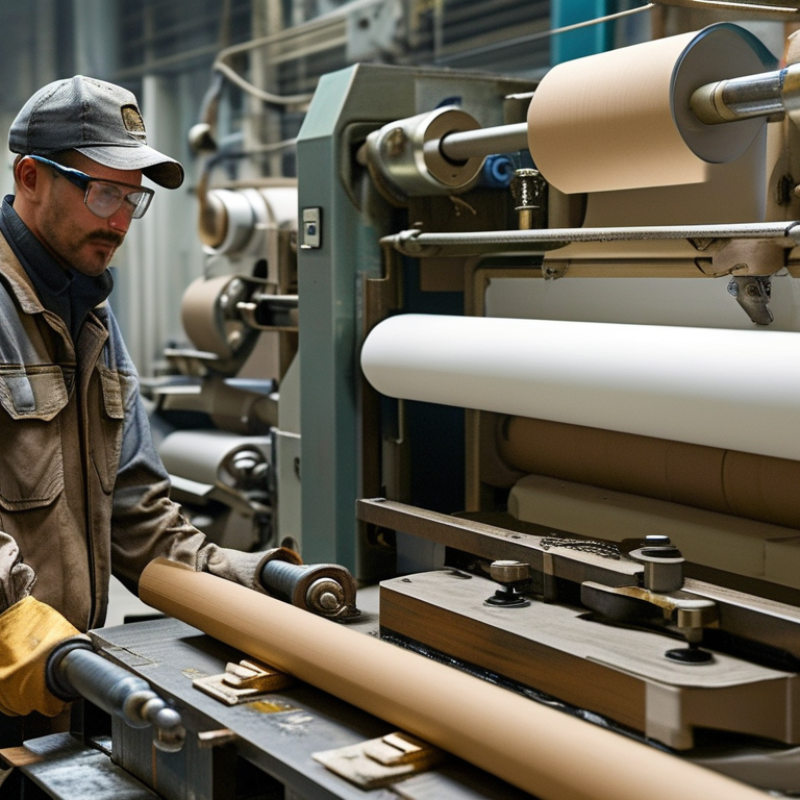
How to Train Workers to Safely Use Paper Forming Equipment

Understanding Paper Forming Equipment and Its Hazards

How to Train Workers to Safely Use Paper Forming Equipment

Understanding the equipment comes before operating it. Paper forming machines use rollers, dies, cutters, heaters, and pneumatic systems. Each part creates a different hazard.

Nip points can pull fingers, sleeves, or loose hair inward within seconds. Cutting stations may cause severe lacerations. Heated surfaces can burn skin without visible warning. Paper dust can also irritate the lungs and reduce visibility around moving parts.

The risk is measurable. OSHA estimates that machine-related hazards cause about 18,000 amputations and 36,000 serious injuries each year in the United States. The Bureau of Labor Statistics recorded 5,283 fatal work injuries across all industries in 2023. These figures are not paper-machine specific, but they expose a training weakness: general safety talks are not enough.

Workers need hands-on practice identifying guards, emergency stops, isolation points, and stored pneumatic energy.

Keep hands away from moving zones.

Never reach through a guard.

Training should include a stopped-machine inspection and a supervised production cycle. Ask workers to point out every pinch point before startup. Then test their response to a jam, power loss, or unusual noise.

NIOSH FACE investigations repeatedly connect machinery injuries with unexpected startup and bypassed safeguards. That pattern deserves attention.

A realistic training program should admit its gaps. Our first lesson may be too theoretical. A worker may understand the rule but still rush during a jam. Supervisors should observe behavior, refresh training after changes, and document corrective actions.

Stay alert. Small shortcuts become serious hazards.

Identifying Required Safety Rules and Personal Protective Equipment

Safe operation begins with identifying hazards before a worker touches the controls. Trainers should inspect rollers, forming dies, cutting points, guards, and emergency stops. Pinch points need clear labels and practical demonstrations. Workers must understand when to stop the machine, isolate energy, and report damage immediately. A written procedure should match the actual equipment, not an outdated template.

Personal protective equipment should reflect each task. Safety glasses protect against paper fragments and dust. Hearing protection may be necessary near continuous forming lines. Slip-resistant safety footwear supports stable movement around wet or scattered paper. Fitted clothing is essential. Loose sleeves, jewelry, and unsecured hair can become entangled. Cut-resistant gloves help during sheet handling, but they should not be worn near exposed rotating parts. That detail is easy to miss.

Training should include a short supervised exercise, such as clearing a sample jam with the machine isolated. Workers can point to the energy-isolation device and emergency stop. Supervisors should record observations, not just attendance. One imperfect lesson is worth acknowledging: workers may nod during training while still feeling unsure. Ask them to explain the rule in their own words. Recheck understanding after a week, especially when production pressure changes normal habits.

Training Workers in Safe Machine Setup and Operation

Safe machine setup begins before a worker touches the controls.

A qualified trainer should explain the machine’s purpose, hazards, and operating limits. Workers need to read the operating instructions and identify the emergency stop, guards, sensors, and isolation points.

During setup, inspect the forming die, moving parts, cables, and pneumatic or hydraulic connections.

Remove scraps from the work area. Confirm that guards are secure and that the correct materials are loaded. Keep hands away from pinch points. Use approved personal protective equipment, including eye protection and suitable gloves when handling hot or sharp components.

Run a slow test cycle with no one inside the guarded area.

Watch for unusual noise, vibration, leaks, or uneven forming. Stop the machine immediately if something changes. Never bypass an interlock or reach into the equipment while it is energized.

Lockout procedures should be used before clearing a jam, cleaning internal parts, or adjusting the die.

Good training includes supervised practice, not just a signature on a checklist.

Ask the worker to explain each control and demonstrate a safe shutdown. A rushed setup can appear efficient, but it often creates hidden risks. One detail may be missed.

Trainers should invite questions and record near misses without blame.

Even experienced operators can become careless during repetitive shifts, so short refresher checks remain valuable.

Teaching Emergency Procedures and Hazard Reporting

Safe operation training for paper forming equipment must give emergency procedures equal attention to production skills. In training sessions, workers should identify the emergency stop before handling materials. They must know when to stop the machine, warn nearby coworkers, and contact a supervisor. If paper jams, never reach into moving parts. Isolate the energy source according to the site procedure, then wait for confirmation that movement has stopped. A short drill can reveal confusion about alarms, exits, or first-aid locations.

Tips: Point to the emergency stop. Practice calling for help. Keep hands clear. Never guess.

Hazard reporting should be simple, immediate, and specific. Workers can record the machine area, time, condition, and possible consequence. “Machine unsafe” is too vague. “Loose guard near the feed rollers at 10:20 a.m.” gives maintenance a useful starting point. Report unusual noise, exposed edges, leaking fluids, damaged cables, and repeated paper misfeeds. A supervisor should acknowledge the report and explain the control used. Photos may help when permitted by site policy. Do not continue production just because the issue seems minor. One detail is easy to miss. Training should also admit that mistakes happen, including delayed reporting. Open discussion helps workers correct unsafe habits without hiding them.

How to Train Workers to Safely Use Paper Forming Equipment - Teaching Emergency Procedures and Hazard Reporting

Training Area Required Learning Outcome Recommended Duration Demonstration or Practice Verification Method Refresh Frequency
Machine Hazard Recognition Identify nip points, rotating parts, cutting zones, heated surfaces, stored energy, and unexpected start-up hazards. 30 minutes Walk around the equipment with the power isolated and mark hazards on a machine-specific diagram. Written quiz with a minimum passing score of 80% and instructor observation. At least annually and after major changes
Pre-Start Inspection Check guards, emergency stops, interlocks, electrical cords, pneumatic or hydraulic lines, work area clearance, and warning labels before operation. 25 minutes Complete a documented inspection using the approved checklist before starting the forming cycle. Direct observation; all critical inspection points must be completed correctly. Each shift
Normal Operating Controls Operate controls correctly, maintain safe hand placement, follow authorized settings, and keep loose clothing and materials away from moving parts. 45 minutes Perform a supervised production cycle using approved operating procedures and safe work distances. Competency checklist completed by an authorized trainer. Before independent work
Emergency Stop Procedure Recognize an imminent danger and stop the machine immediately using the emergency-stop control without placing hands in the hazard zone. 20 minutes Practice stopping the equipment during controlled simulations involving material misalignment and abnormal movement. Timed demonstration; worker must stop, warn others, and follow the escalation process. Every 6 months
Jam Clearing and Unexpected Stop Never reach into a moving machine; stop, isolate, lock out hazardous energy when required, verify zero energy, and obtain authorized assistance. 40 minutes Use a simulated jam to practice notification, shutdown, isolation, verification, and safe recovery. Practical assessment with no critical-step errors permitted. At initial qualification and annually
Injury and First Response Raise the alarm, contact site emergency support, provide location details, protect the scene, and avoid moving an injured person unless there is immediate danger. 30 minutes Conduct a tabletop drill for a hand injury, entanglement risk, or electrical incident. Scenario response review against the site emergency plan. Every 6 months
Fire, Smoke, or Electrical Fault Stop work, isolate equipment only when safe, activate the alarm, evacuate by the designated route, and report to the assembly point. 25 minutes Review alarm signals, evacuation routes, emergency exits, and assembly-point procedures. Participation in an evacuation drill and attendance verification. At least annually
Hazard Reporting Report unsafe conditions, damaged guards, failed safety devices, near misses, abnormal noise, leaks, and unsafe behaviors promptly. 30 minutes Complete a sample report describing the hazard, exact location, immediate action, and potential consequence. Supervisor checks report completeness and correct risk classification. At induction and annually
Stop-Work Authority Pause or stop work when an uncontrolled serious hazard is present and notify the responsible supervisor without fear of retaliation. 20 minutes Use role-play scenarios involving missing guards, repeated jams, and bypassed interlocks. Trainer evaluates decision-making, communication, and escalation behavior. Every 6 months
Personal Protective Equipment Select and correctly use required eye, hearing, hand, foot, and task-specific protection; understand that PPE does not replace guarding. 20 minutes Inspect, don, adjust, remove, and store PPE without creating additional contamination or entanglement risks. Observed fit and use check against the task hazard assessment. At induction and when hazards change
Supervisor Follow-Up Ensure reports receive risk-based action, temporary controls are communicated, and corrective actions are closed and verified. 15 minutes per review Review a sample hazard report and assign an owner, due date, interim control, and verification step. Monthly review of open actions and overdue corrective measures. Monthly
Suggested training records: Keep attendance, competency checklists, quiz results, drill participation, reported hazards, corrective-action status, and retraining dates. Retraining should be provided when a worker demonstrates unsafe operation, an incident or near miss occurs, equipment or procedures change, or a new hazard is identified.

Evaluating Worker Skills Through Practice and Refresher Training

Safe operation of paper forming equipment depends on demonstrated skill, not attendance alone. Training should begin with a short explanation of guarding, emergency stops, pinch points, and safe material handling. Then, workers should practice under direct supervision. They can identify controls, load paper correctly, and stop the machine when an abnormal sound appears. Keep hands clear.

A practical evaluation uses a clear checklist. The supervisor watches setup, adjustment, cleaning, and restart procedures. Each task should be performed slowly before normal production begins. Ask workers to explain why they chose each action. This reveals memorized behavior and genuine understanding. In my training observations, small mistakes often appear during routine cleaning, not during machine startup. Record those mistakes without blame, then repeat the task until the worker performs it consistently.

Refresher training should follow equipment changes, incidents, long absences, or repeated errors. Short sessions work well when they include real paper stock, gloves, noise, and time pressure. A written quiz may confirm knowledge, but it cannot replace hands-on practice. The evaluation process is not perfect. Supervisors may overlook unsafe habits when production is busy. Peer observation can help, although it also needs guidance. Review results regularly, and let workers question unclear instructions. Their hesitation may reveal a training gap before it becomes an injury.

FAQS

What hazards can paper forming equipment create?

Rollers and forming dies create pinch points that can pull in fingers, sleeves, or loose hair. Cutters may cause serious lacerations. Heated surfaces can burn skin without visible warning. Paper dust may irritate lungs and reduce visibility.

What should workers inspect before starting the machine?

Workers should inspect guards, rollers, dies, cutters, heaters, emergency stops, and pneumatic systems. They should identify every pinch point with the machine stopped. Damaged guards or exposed edges must be reported immediately.

What personal protective equipment may be required?

Safety glasses help protect against paper fragments and dust. Hearing protection may be needed near continuous forming lines. Slip-resistant footwear supports stable movement around scattered or wet paper. Fitted clothing is essential.

When should workers avoid wearing gloves?

Cut-resistant gloves can help during isolated sheet handling. They should not be worn near exposed rotating parts. A glove can become entangled quickly. This detail is easy to miss.

How should workers respond to a paper jam?

Stop the machine and keep hands away from moving parts. Isolate the energy source according to the site procedure. Wait for confirmation that movement has stopped. Never reach through a guard.

What emergency actions should workers practice?

Workers should locate the emergency stop before handling materials. They should practice stopping the machine, warning nearby coworkers, and contacting a supervisor. A short drill may reveal confusion about alarms, exits, or first-aid locations.

What information should a hazard report include?

Reports should identify the machine area, time, condition, and possible consequence. For example, describe a loose guard near feed rollers at 10:20 a.m. Report unusual noise, damaged cables, leaking fluids, and repeated misfeeds.

How can supervisors confirm that safety training worked?

Supervisors should observe a stopped-machine inspection and a supervised production cycle. Workers can explain rules in their own words. Attendance alone proves little. Recheck understanding after one week, especially during production pressure.

Why should training programs admit their weaknesses?

A worker may understand the rule but still rush during a jam. The first lesson may be too theoretical. Supervisors should document corrective actions and refresh training after equipment or procedures change. Small shortcuts become serious hazards.

Conclusion

This guide explains How to train workers to operate paper forming equipment safely by focusing on practical knowledge, careful supervision, and consistent safety habits. It begins with an overview of how paper forming machines work and the hazards they may present, including moving parts, hot surfaces, sharp edges, noise, and unexpected machine movement. Workers learn the required safety rules, the correct use of personal protective equipment, and the importance of keeping the work area clean and organized.

The training also covers safe machine setup, inspection, startup, operation, shutdown, and routine adjustments. Employees are taught how to respond to emergencies, stop equipment safely, report hazards, and communicate incidents clearly. Hands-on practice allows supervisors to evaluate each worker’s ability to follow procedures, recognize risks, and respond appropriately. Refresher training and periodic skill reviews help maintain safe performance, reinforce important procedures, and address changes in equipment or workplace conditions.

Ethan

Ethan

Ethan is a seasoned marketing professional with a deep expertise in our company's innovative product line. With a passion for sharing knowledge and insights, he takes the lead in regularly updating our corporate blog, where he explores industry trends, product features, and effective marketing......