Reducing energy use in production machines begins with measurement, not guesswork. This guide explores How to reduce energy consumption of production machines through practical, evidence-based improvements. Factory teams can examine electricity meters, machine cycles, idle periods, and production output before changing equipment settings. A clear baseline reveals whether energy is wasted during cutting, heating, cooling, pumping, or standby operation.
The ten methods cover efficient motors, variable-speed drives, preventive maintenance, compressed-air control, and smarter scheduling. They also consider insulation, heat recovery, automatic shutdowns, and operator training. Small details matter. A leaking air line can hiss continuously beside a busy assembly cell. A poorly lubricated bearing can increase load and create unnecessary heat. Equipment manuals, manufacturer data, and recognized energy-management practices should guide every adjustment. ISO 50001 principles may also help organizations build a repeatable improvement process.
Results should be verified with sub-metering and consistent production data. A lower electricity bill alone does not prove success if output has declined. Safety, product quality, and machine reliability must remain protected. No factory is perfectly optimized. In practice, teams may overlook night-shift habits or misread short-term measurements. That is worth challenging. Start with one production line, record its baseline, test one change, and compare the results. Some savings will be modest. Others may appear after maintenance, scheduling, and controls work together. The strongest improvements usually come from steady review rather than one expensive upgrade.
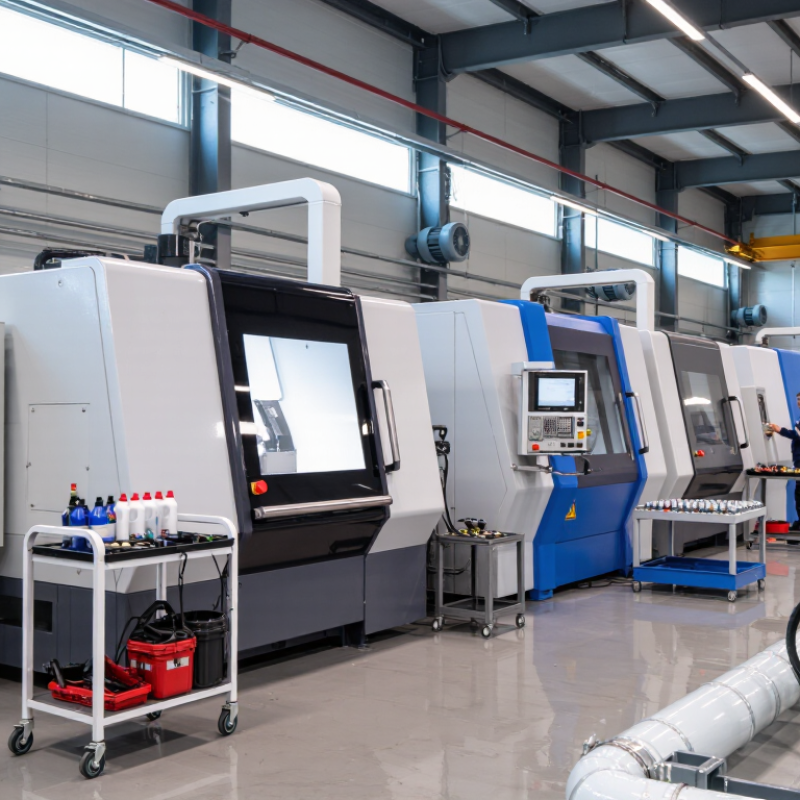
Top 10 Ways to Reduce Energy Use in Production Machines
Assessing energy use starts with a machine-level picture, not a factory-wide guess. Install temporary meters on main feeders, motors, heaters, pumps, and air systems. Record power during startup, production, standby, and changeover. A machine drawing 45 kilowatts may consume 18 kilowatts while waiting. That hidden load can rival active processing over a long shift. Compare readings with production output, operating hours, and rejected units. Accurate baselines matter.
Electric motors usually create the largest demand, especially when oversized or poorly maintained. Check for hot bearings, misalignment, unusual vibration, and frequent speed changes. Compressed air is another major source. Listen for leaks near hoses, valves, and fittings during quiet hours. A small hiss becomes expensive when it runs continuously. Heating elements, chillers, pumps, and ventilation systems also deserve separate measurements. Their energy use often changes with weather, material temperature, and product specifications.
Do not judge every high reading as waste. Some short power peaks are necessary for safe startup or quality control. However, long idle periods deserve attention. Automatic shutdowns, lower standby temperatures, and better production scheduling can reduce those hours. In practice, teams sometimes measure only the main panel and miss smaller loads across several lines. That approach is convenient, but incomplete. Recheck the data after maintenance, because a repaired machine may still operate inefficiently through poor settings or unnecessary pressure.
| Rank | Energy Source or Machine Area | Typical Share of Factory Electricity | Main Energy-Waste Cause | Recommended Reduction Measure | Typical Reduction Potential | Primary Performance Indicator |
|---|---|---|---|---|---|---|
| 1 | Electric motors and drives | 32% | Oversized motors, throttling, poor power factor, and operation at low load | Use correctly sized high-efficiency motors, variable-frequency drives, and automatic shutdown during no-load periods | 5–15% of motor-system energy | kWh per operating hour; motor load factor |
| 2 | Compressed-air systems | 12% | Air leaks, excessive pressure, inappropriate use, and unloaded compressor operation | Repair leaks, lower system pressure where practical, install zero-loss drains, and eliminate unnecessary air use | 10–30% of compressed-air energy | Compressor kWh per unit of production; leak rate |
| 3 | Process heating and thermal equipment | 18% | Heat loss through insulation, excessive setpoints, and poor burner or heater control | Improve insulation, optimize temperature setpoints, recover waste heat, and use modulating controls | 5–20% of process-heating energy | Energy per batch or production unit; heat-loss rate |
| 4 | Pumps and fluid-handling equipment | 10% | Excess flow, high system resistance, throttled valves, and worn impellers | Use variable-speed control, trim impellers, reduce unnecessary pressure drop, and maintain clear filters | 10–25% of pumping energy | Pump kWh per cubic metre; flow and pressure profile |
| 5 | Fans, blowers, and ventilation | 8% | Constant-speed operation, blocked filters, excessive airflow, and duct leakage | Install variable-speed drives, clean filters, balance airflow, and control ventilation according to demand | 10–30% of fan-system energy | Fan kWh per operating hour; airflow per production area |
| 6 | Refrigeration and cooling systems | 6% | Dirty heat exchangers, incorrect temperature settings, refrigerant problems, and simultaneous heating and cooling | Clean coils, optimize setpoints, maintain refrigerant charge, and use free cooling where suitable | 8–20% of cooling energy | Coefficient of performance; kWh per tonne-hour of cooling |
| 7 | Hydraulic and pneumatic power units | 5% | Pressure maintained during idle periods, internal leakage, and inefficient fixed-displacement pumps | Use demand-based pressure control, repair leakage, and switch off power units during extended idle time | 10–25% of hydraulic or pneumatic power | kWh per machine cycle; standby pressure duration |
| 8 | Conveyors and material handling | 4% | Running empty, excessive speed, friction, misalignment, and poor lubrication | Use zone-based controls, reduce speed when demand is low, and maintain bearings, belts, and rollers | 10–25% of conveyor energy | kWh per tonne moved; empty-running hours |
| 9 | Idle, standby, and warm-up operation | 3% | Machines left energized during breaks, changeovers, maintenance, or production stoppages | Create automatic sleep modes, use shutdown checklists, and coordinate machine start-up with production schedules | 20–50% of avoidable idle energy | Idle kWh per shift; standby hours |
| 10 | Lighting, HVAC, and control systems | 2% | Unoccupied areas conditioned or illuminated, dirty filters, and poorly scheduled equipment | Use occupancy controls, efficient lighting, scheduled HVAC operation, and regular filter maintenance | 10–30% of facility-support energy | kWh per square metre; occupancy-based runtime |
Factory-wide figures can hide inefficient machines. Temporary meters reveal energy during startup, production, standby, and changeover. A machine may draw 18 kilowatts while waiting. That hidden load matters.
Motors often create the largest demand. Check oversized motors, hot bearings, misalignment, vibration, and frequent speed changes. Pumps, heaters, chillers, and ventilation systems also need separate measurements. Do not ignore small loads.
Listen near hoses, valves, and fittings during quiet hours. A small hiss may continue throughout the night. Record pressure and repair leaks carefully. We sometimes blame equipment before checking simple fittings.
Record kilowatt-hours, production output, operating hours, and rejected units. Measure warm-up, active production, standby, and shutdown periods. Compare energy per finished unit, not electricity totals alone. Details expose patterns.
Use automatic shutdowns during long waiting periods. Lower standby temperatures when product quality allows. Improve scheduling to reduce repeated starts and extended pauses. A timer helps, but poor settings can weaken savings.
Compare current readings with a machine baseline. Inspect bearings, tooling, air leaks, cooling settings, pressure, and shutdown timers. A 12% idle increase deserves inspection. It may indicate wear, changed materials, or bad settings.
No. Short peaks may support safe startup or quality control. Long standby periods deserve more attention. We have sometimes treated a normal startup peak as a fault. Check the operating context first.
Review machine readings weekly and targets monthly. Compare similar shifts, products, and operating temperatures. Record unusual material batches or maintenance events. Dashboards can mislead when sensors are bypassed or data is incomplete. Better questions matter.
This guide explains How to reduce energy consumption of production machines by first identifying where power is being used most, including motors, heating systems, compressed air, and idle equipment. With a clear understanding of these energy sources, manufacturers can adjust operating speeds, temperatures, cycles, and production schedules to achieve efficient output without compromising quality. Selecting suitable machine settings and avoiding unnecessary standby time can significantly reduce wasted energy.
Regular maintenance is also essential because worn parts, leaks, poor lubrication, and incorrect alignment can increase power demand. Automation and smart controls can further improve efficiency by adjusting machine operation according to workload, shutting down unused systems, and reducing material waste. Finally, businesses should monitor energy performance through regular measurements and defined improvement targets. Reviewing data over time helps identify new opportunities, evaluate the results of efficiency measures, and create a continuous process for lowering energy use and production costs.

 Jinli Machinery