Jinli Machinery
1 / 5

| Model Details | 700 pcs/h | 1300 pcs/h | 2000 pcs/h | 3000 pcs/h | 5000 pcs/h | 6000 pcs/h |
|---|---|---|---|---|---|---|
| Mold Quantity | 2pcs | 4pcs | 12pcs | 24pcs | 40pcs | 48pcs |
| Paper Consumption | 0.06t/h | 0.13t/h | 150kg/h | 188kg/h | 375kg/h | 450kg/h |
| Water Consumption | 0.15t/h | 0.3t/h | 0.45t/h | 0.68t/h | 1.1t/h | 1.35t/h |
| Gas Consumption | 25cbm/h | 60cbm/h | 75cbm/h | 110cbm/h | 150cbm/h | 180cbm/h |
| Workshop Area (with dryer) | >240M² | >320 M² | >400M² | >520M² | 600m² | 750m² |
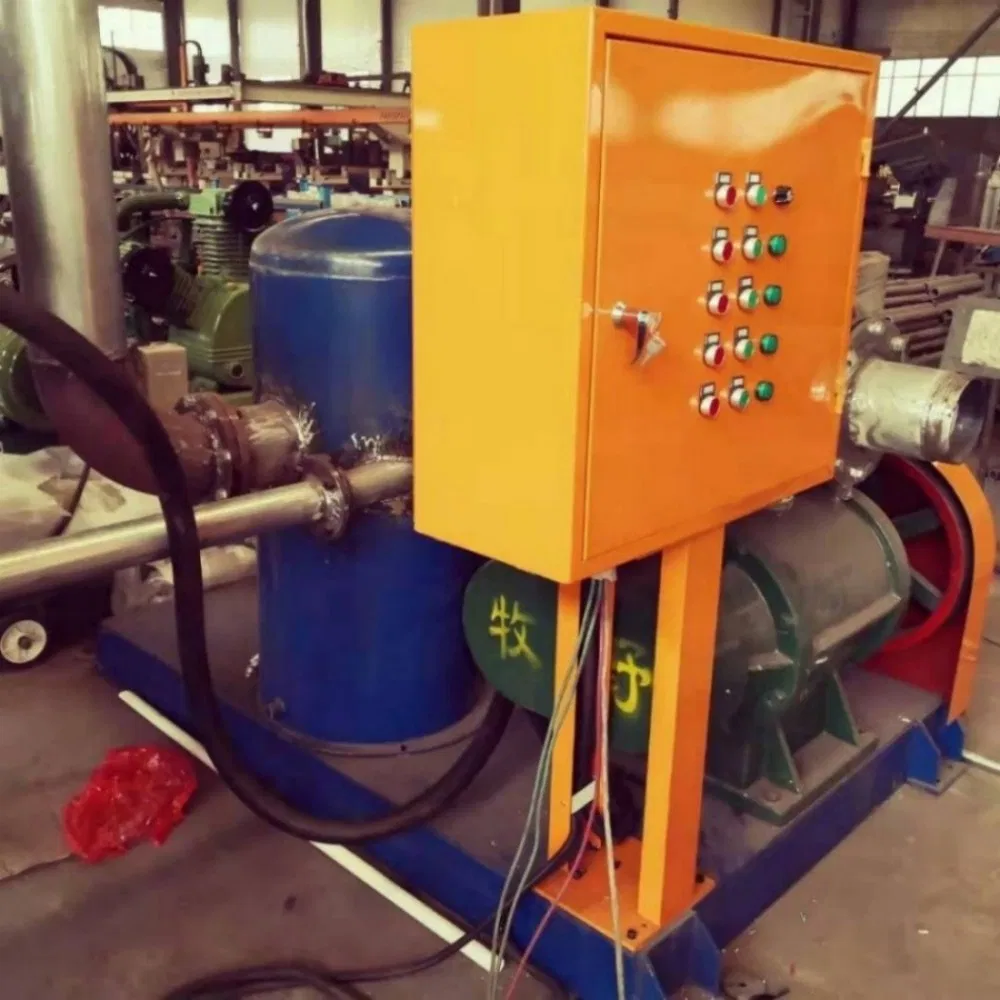
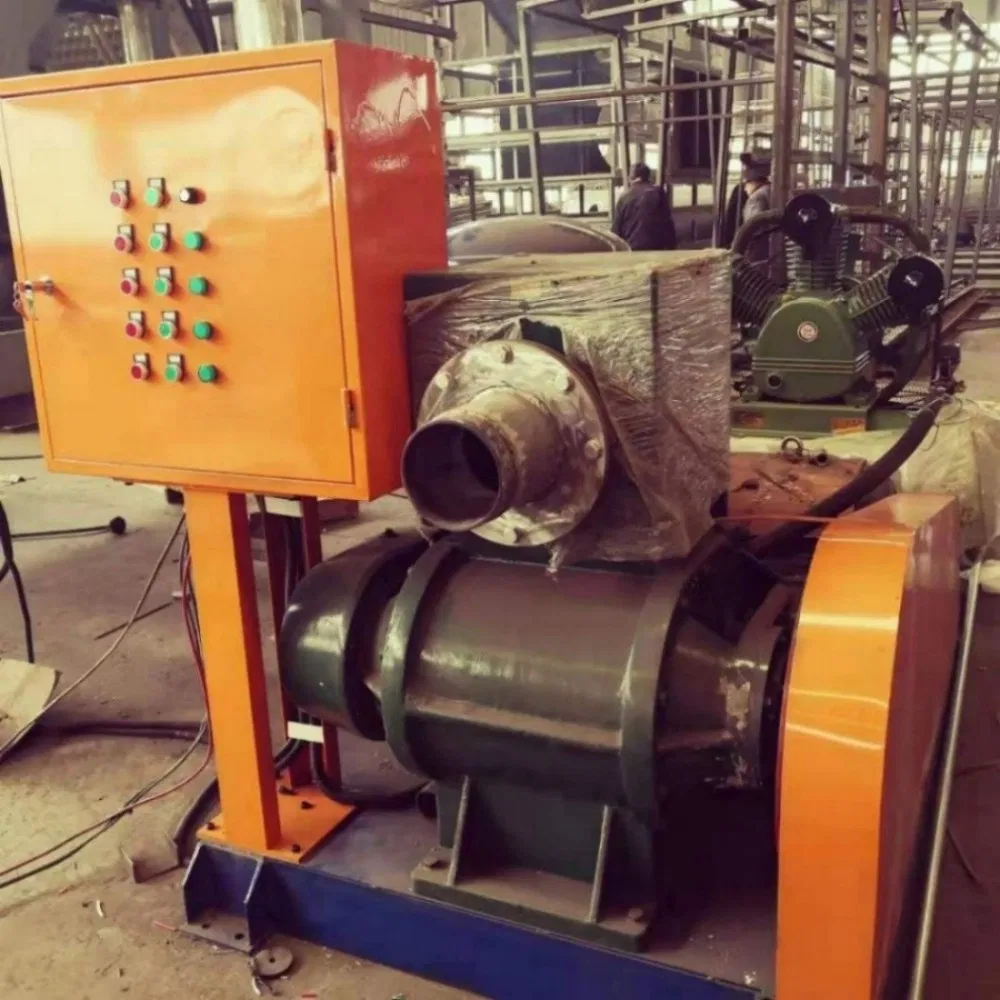
The pulping process involves mixing raw materials with water to create a slurry. This slurry is then refined to the ideal consistency for forming high-quality egg trays.
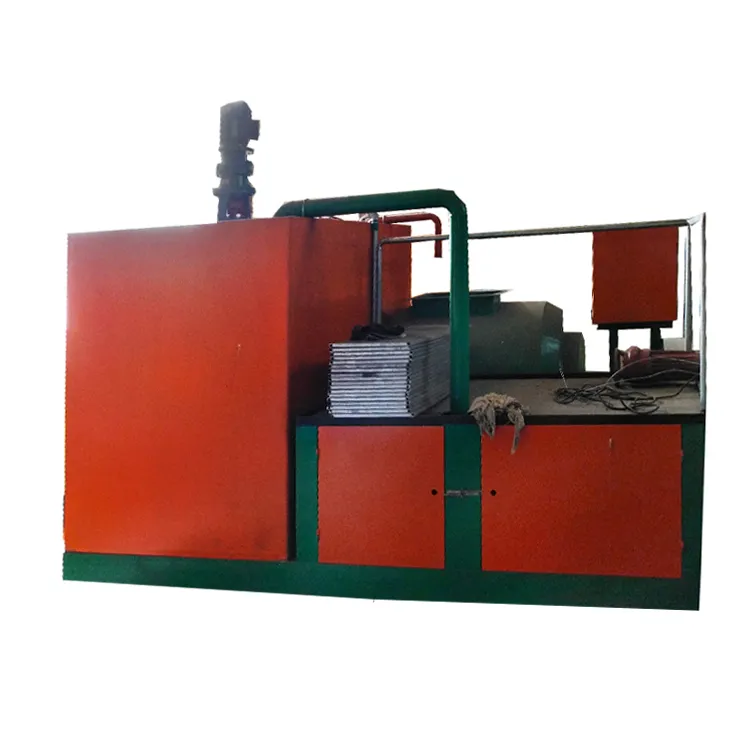
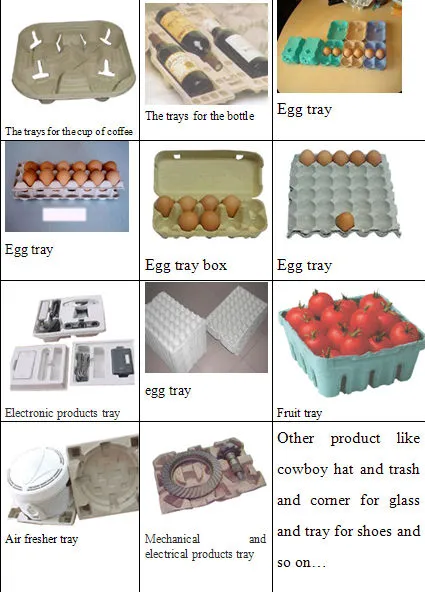
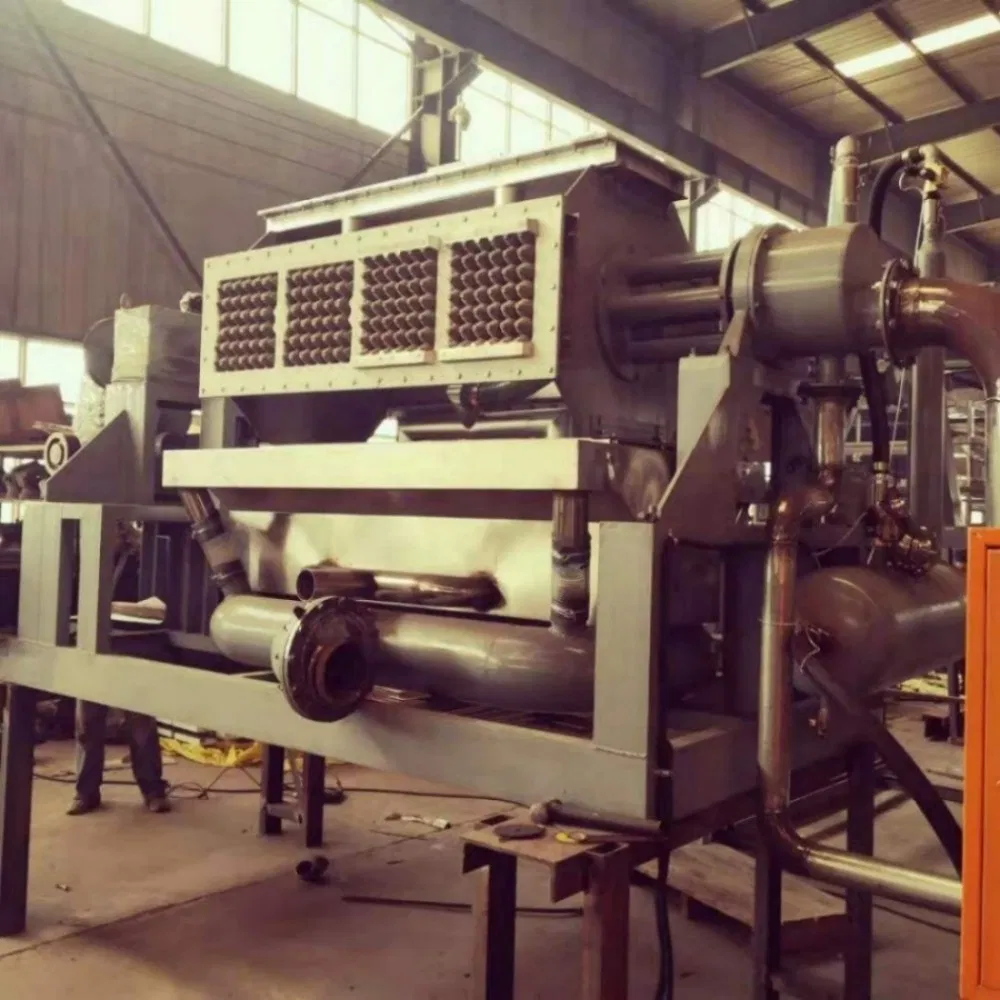
This system utilizes negative pressure and vacuum absorption to transform the pulp into shaped trays. Changing the molds allows for the production of egg cartons, fruit trays, and more.
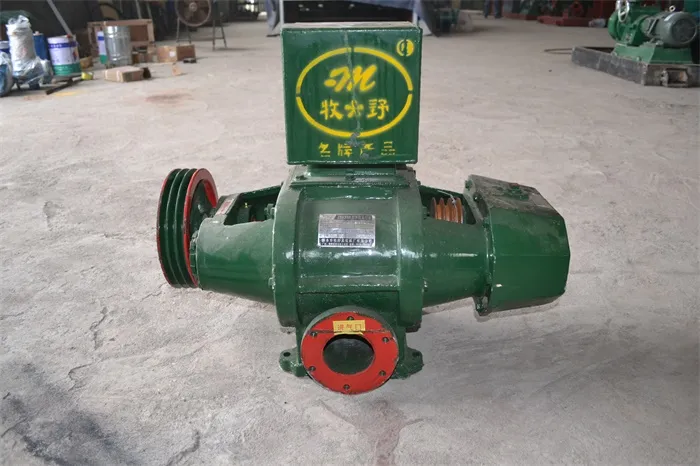
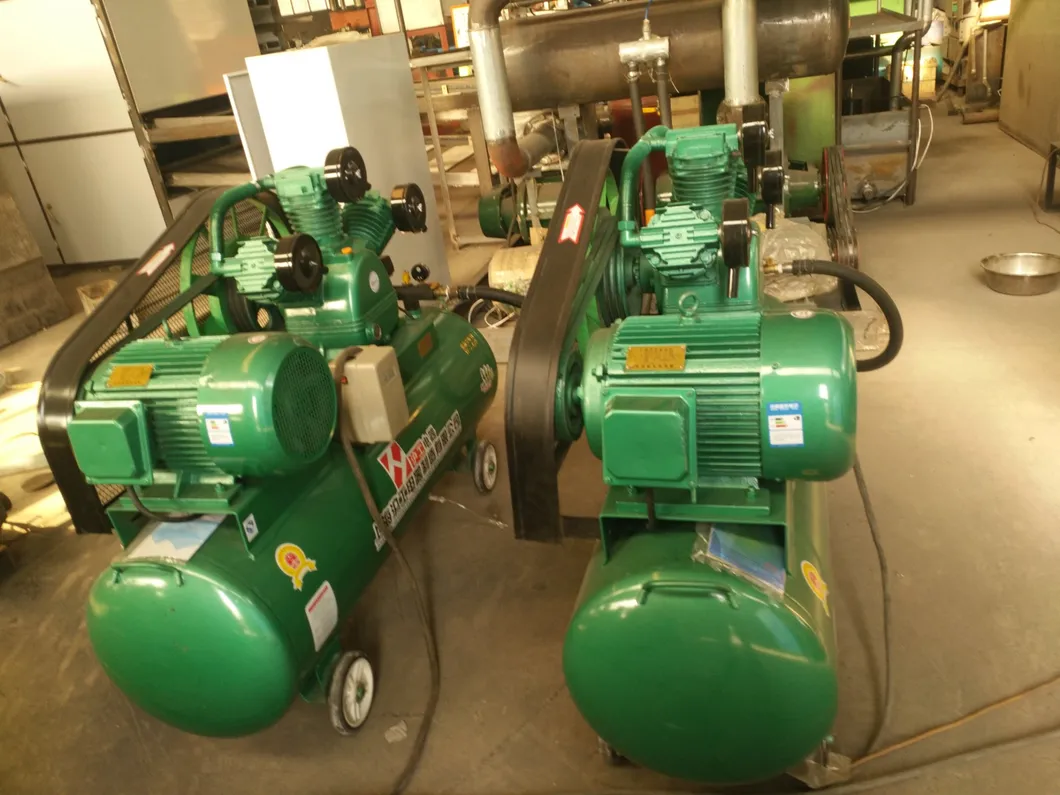
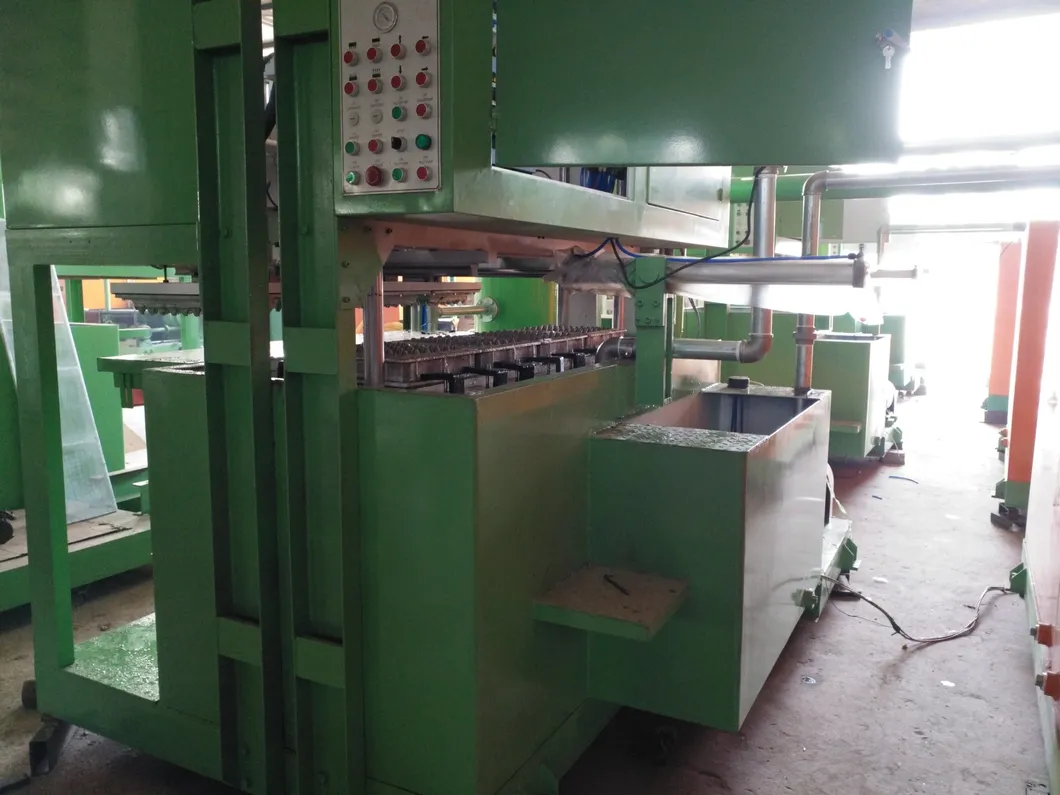
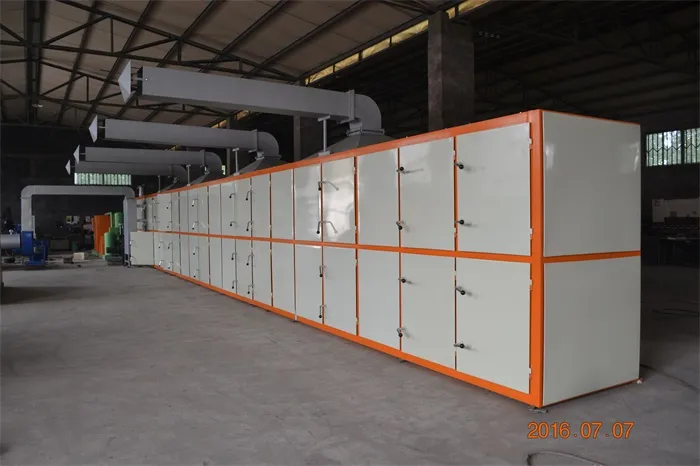
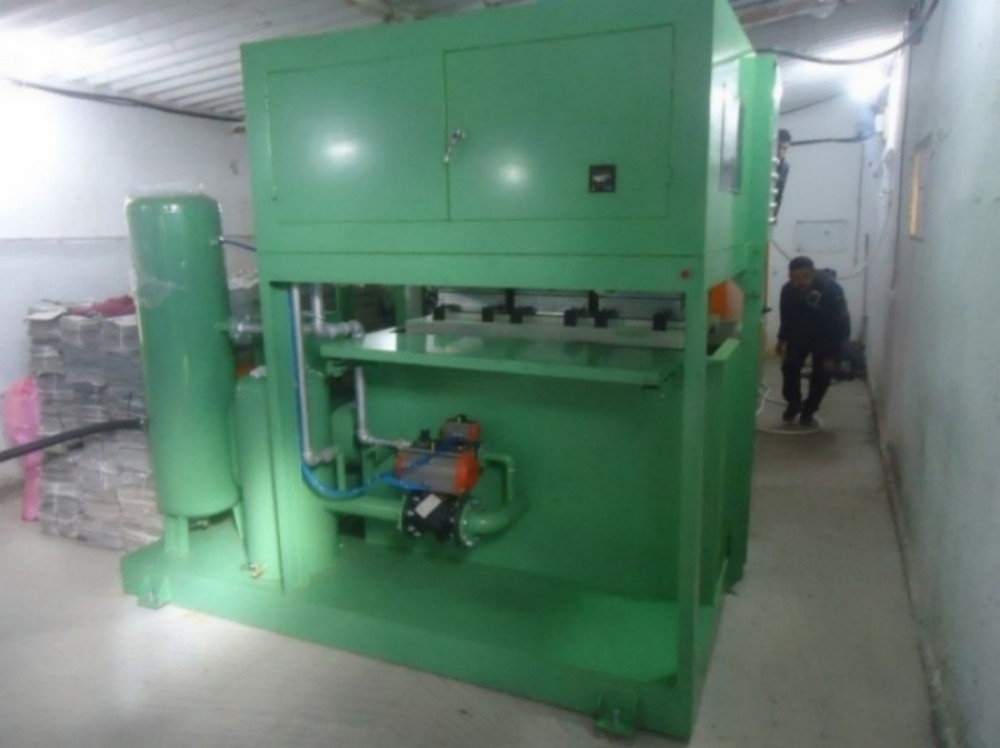
Wet semi-finished products are transferred through a drying line (metal or brick). Efficient drying ensures minimal loss and high-quality final products. Post-drying, the automatic stacking machine packages the trays for transport.