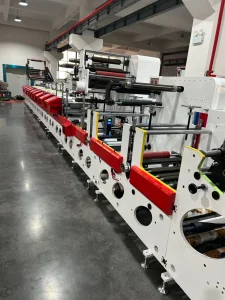
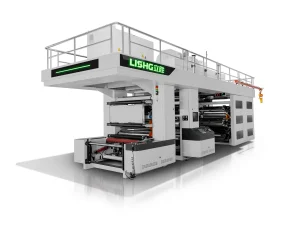
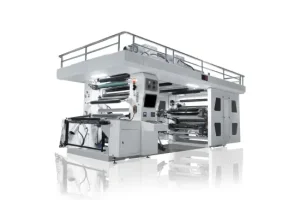
Premium offset and hybrid printing solutions optimized for high accuracy, local power grid variations, and biodegradable substrates.
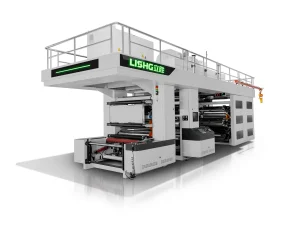
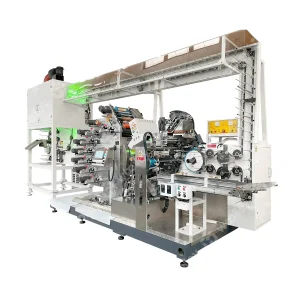
Analyzing the transition from single-use plastics to sustainable paper-based containers in Central Africa's dynamic economy.
Equatorial Guinea, located strategically in the Gulf of Guinea, is undergoing an aggressive industrial diversification drive. Historically reliant on hydrocarbon exports, the government’s Horizon 2035 plan actively incentivizes the establishment of domestic manufacturing plants in the continental region of Bata and the island capital of Malabo. One of the key sub-sectors seeing explosive growth is food packaging. As urban centers modernize and supermarkets, local coffee franchises, and fast-food outlets expand, the demand for single-use containers has surged exponentially.
Historically, the market relied heavily on imports of plastic cups and polystyrene containers. However, in alignment with global eco-friendly protocols and growing environmental awareness in the West-Central African region, local businesses are pivoting toward biodegradable and recyclable paper alternatives. The adoption of high-efficiency offset printing paper cup machines represents a key technological pivot. By producing locally, manufacturers in Equatorial Guinea not only avoid high import duties on finished goods but also leverage regional trade agreements like CEMAC (Central African Economic and Monetary Community) to export to neighboring Gabon, Cameroon, and Congo.
Operating high-precision machinery in this equatorial climate, however, requires specific engineering adaptations. High relative humidity and temperature variations can affect paperboard moisture levels and ink-drying parameters. This is where high-quality exporters who understand the regional engineering challenges bring irreplaceable value. Advanced heating systems, moisture controls, and energy-stable servo positioning are vital to ensure continuous uptime in regional production lines.
A technical evaluation designed to assist manufacturers in selecting the correct technological roadmap for Central African demand profiles.
When scaling a paper cup manufacturing plant, choosing the right printing modality directly impacts operational expenditures (OpEx), graphic quality, and production versatility. Offset printing utilizes flat aluminum plates that transfer (or "offset") the ink onto a rubber blanket before applying it to the paperboard. Flexographic printing, on the other hand, utilizes raised photopolymer plates to transfer ink directly.
| Parameters | Offset Printing Machinery | Flexographic Printing Presses |
|---|---|---|
| Image Quality (LPI) | Ultra-High (up to 175-200 Lines Per Inch). Perfect for complex micro-logos, photorealistic branding, and rich gradients. | Standard to Medium (up to 120-150 Lines Per Inch). Ideal for solid fills and simple text block printing. |
| Plate Setup Cost | Low-cost aluminum plate making. Extremely economical for multi-flavor coffee shop short runs. | Higher photopolymer plate cost. Demands larger production runs to amortize setup costs. |
| Substrate Flexibility | Handles both thick coated board and delicate single/double PE/PLA lined stocks without color bleeding. | Great for high-speed continuous roll fed operations, but susceptible to minor haloing on thick seams. |
| Drying System | Integrated UV Curing or high-speed IR drying to lock colors instantly under local humid climates. | Typically hot air drying or UV, requiring precise airflow management in high-humidity zones. |
For the Equatorial Guinean market, where dynamic, customizable branding is key to competing with imported European and Asian finished goods, Offset printing paper cup machinery offers superior market entry viability. It allows domestic factories to accept short-run orders (e.g., promotional cups for regional corporate events, local hospitality brands in Bioko Island, and local mineral water vendors) without incurring exorbitant plate costs.
Our machinery integrates next-generation smart mechanics to ensure reliability under extreme heavy-duty operating cycles.
Multi-axis high precision servo control ensures printing overlay error is limited to <0.05mm, even during speed transits.
Variable speed drives and intelligent thermal regulation profiles optimize electric usage in regions prone to grid volatility.
Equipped with customized dry-curing compartments designed to prevent paperboard expansion in high equatorial humidity.
A leading research, manufacturing, and global exporting pioneer of paper container machinery.
Zhejiang Jinli Machinery Co., Ltd. is located in Feiyun New District, Ruian City, Zhejiang Province, with more than 50 employees and a factory area of about 2,000 square meters. It is an enterprise integrating scientific research, design, production, sales and service, specializing in the production of a series of complete sets of equipment for paper containers such as paper cup machines and paper bowl machines.
The company has strong technical force and sophisticated equipment, with an average annual output of about 10 million RMB. The products sell well all over China and are exported to Germany, Egypt, the Philippines, Australia, New Zealand, Turkey, India, South Korea, Jordan, Oman and other countries and regions. Our main products are Paper Cup Machine, Fully Automatic Paper Bowl Machine, Paper Bowl Machine, Fully Automatic Paper Bowl Making Machine, Open Cam Paper Bowl Machine, Cup Cake Forming Machine, etc.
Over the years, Zhejiang Jinli Machinery has gained a stellar reputation for delivering durable, low-maintenance mechanical infrastructure to emerging economic markets. We offer tailored modifications for Central African operations, ensuring local compliance, voltage stabilization, and continuous availability of wear parts.
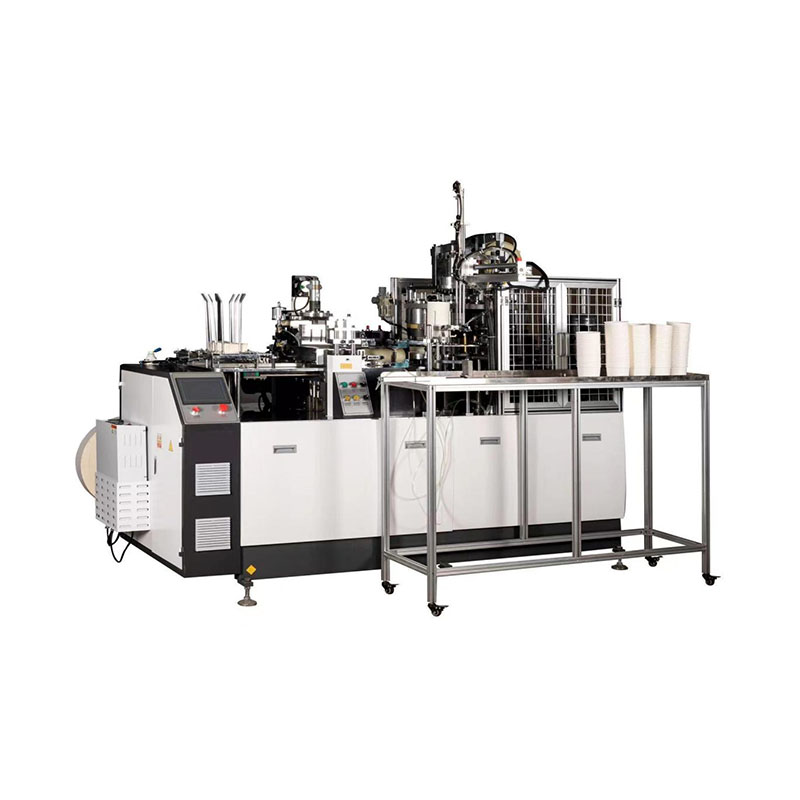
Facilitating stress-free imports, customs clearing at Malabo/Bata, and optimized commissioning support.
Exporting heavy manufacturing machinery to the CEMAC region demands strict adherence to local regulatory frameworks. Zhejiang Jinli Machinery offers end-to-end guidance to help Equatorial Guinean manufacturers navigate the import process efficiently:
By partnering with Jinli, operators secure more than just machinery; they install a reliable, certified production environment designed to scale along with their regional distribution growth.
Adapting your machinery today for the ecological regulations of tomorrow.
As environmental policies evolve, traditional single-PE (Polyethylene) coatings are being phased out in favor of biodegradable coatings like PLA (Polylactic Acid), PBS (Polybutylene Succinate), and water-based dispersion barriers. The dynamic properties of these newer materials differ significantly. Biodegradable plastics possess lower melting thresholds and require precise sealing temperatures.
Our latest lineup of offset printing and forming machines integrates ultra-precise digital PID temperature controllers and high-frequency ultrasonic sealing heads. This allows dual-use compatibility: run standard economical PE-coated boards today, and transition effortlessly to eco-friendly compostable substrates tomorrow without needing to invest in secondary machinery platforms.
Answering structural questions regarding offset paper cup machinery exports to Equatorial Guinea.
Industry-proven, high-speed offset and forming equipment ready for West-Central African industrial expansion.
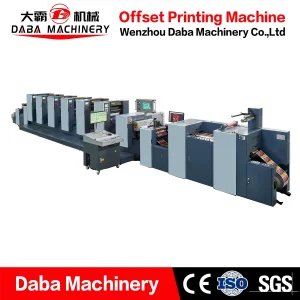
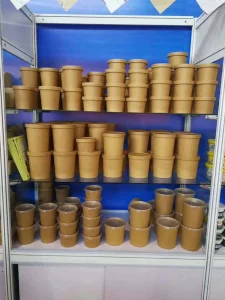
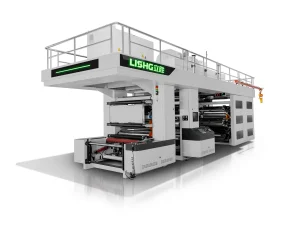
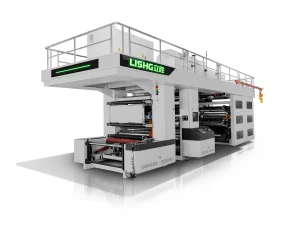
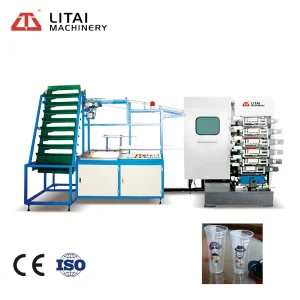
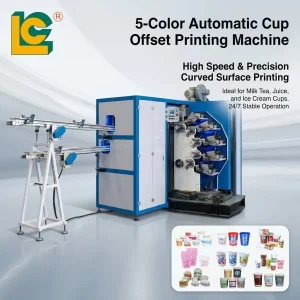
We keep a vast array of specialized machinery to suit distinct packaging geometries and production styles:
 Jinli Machinery