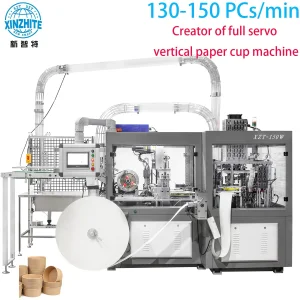
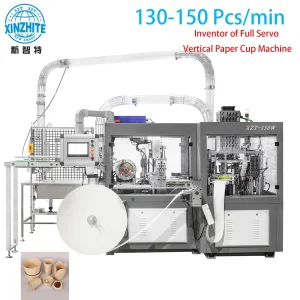
Engineered for high efficiency, reliable bottom sealing, and precise mold adaptation for local Samoan enterprises.
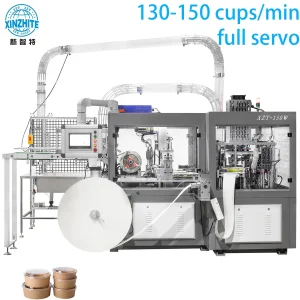
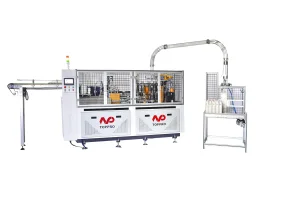
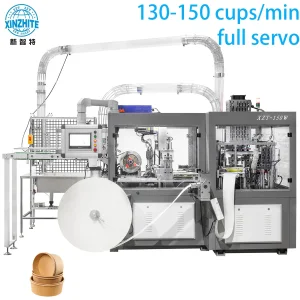
Located in the heart of Polynesia, the Independent State of Samoa is navigating a critical ecological and economic transition. The local government's proactive ban on single-use plastics, led by the Ministry of Natural Resources and Environment (MNRE), has triggered an unprecedented surge in demand for sustainable food packaging alternatives. Tourism, fisheries, and agricultural exports—the primary backbones of the Samoan economy—require highly reliable packaging solutions that do not compromise the island's pristine ecosystems.
Historically, Samoan enterprises relied on imported finished paper containers from East Asia or Australia. However, the high volumetric shipping fees of finished paper bowls make long-term importation economically unfeasible. By shifting toward the local production of paper bowls, Samoan manufacturers and distributors can slash freight costs, minimize packaging footprints, and establish circular economies in Apia and across Upolu and Savai'i.
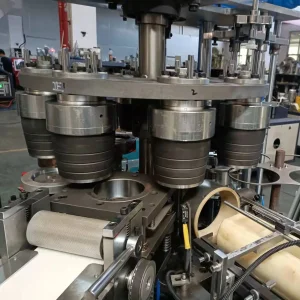
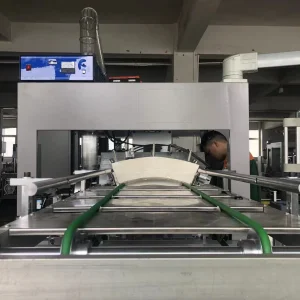
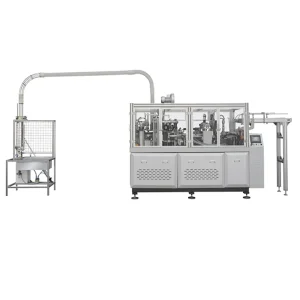
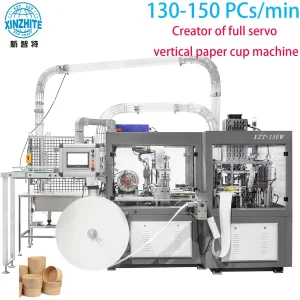
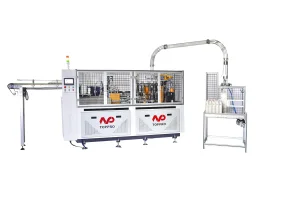
Industrial round paper bowl making machines represent a peak of mechanical and thermodynamic optimization. To consistently run at high speeds (often exceeding 80–120 pieces per minute), the machinery employs a series of highly synchronized sub-systems. Understanding these mechanical elements is crucial for operators when purchasing equipment:
Friction feed system with optical sensor detection prevents double-sheets and misfeeds.
High-precision index turntable rotates blanks through pre-heating, ultrasonic sealing, and folding.
Double-knurling at the base guarantees zero-leakage, followed by pneumatic automatic collection.
When purchasing industrial packaging machinery for the Pacific Islands, sourcing managers must account for localized technical constraints. Two primary considerations dominate the technical assessment:
1. Electrical Configuration & Power Grid Adaptability
Samoa operates on a 230V single-phase / 415V three-phase grid at 50Hz. Standard machinery manufactured for the domestic Chinese market (380V/50Hz) or North American markets (220V/480V at 60Hz) requires custom motor windings and transformer assemblies. Sourcing from manufacturers like Zhejiang Jinli Machinery guarantees customized electrical cabinets configured with Schneider electric components built specifically to handle Samoa's voltage variations, protecting critical PLCs from voltage drops.
2. Coating Chemistry Compatibility (PLA, PE, & Water-Based Barrier Coatings)
Historically, Polyethylene (PE) coating was the standard waterproof barrier for paper bowls. However, PE is not biodegradable, making it targetable under strict environmental regulations. The transition to Polylactic Acid (PLA) or PBS (Polybutylene succinate) is now standard for sustainable exports. The mechanical challenge is that PLA has a narrower heat sealing window than PE. Machines must be fitted with advanced PID temperature controllers and precision ultrasonic systems to run eco-friendly materials at high speeds without burning through the paper layer.
Zhejiang Jinli Machinery Co., Ltd is located in Feiyun New District, Ruian City, Zhejiang Province, with more than 50 employees and a factory area of about 2,000 square meters. It is an enterprise integrating scientific research, design, production, sales and service, specializing in the production of a series of complete sets of equipment for paper containers such as paper cup machines and paper bowl machines.
The company has strong technical force and sophisticated equipment, with an average annual output of about 10 million RMB. Our products sell well all over the country and are exported to Germany, Egypt, the Philippines, Australia, New Zealand, Turkey, India, South Korea, Jordan, Oman and other countries and regions.
Our main products are Paper Cup Machine, Fully Automatic Paper Bowl Machine, Paper Bowl Machine, Fully Automatic Paper Bowl Making Machine, Open Cam Paper Bowl Machine, Cup Cake Forming Machine, etc.
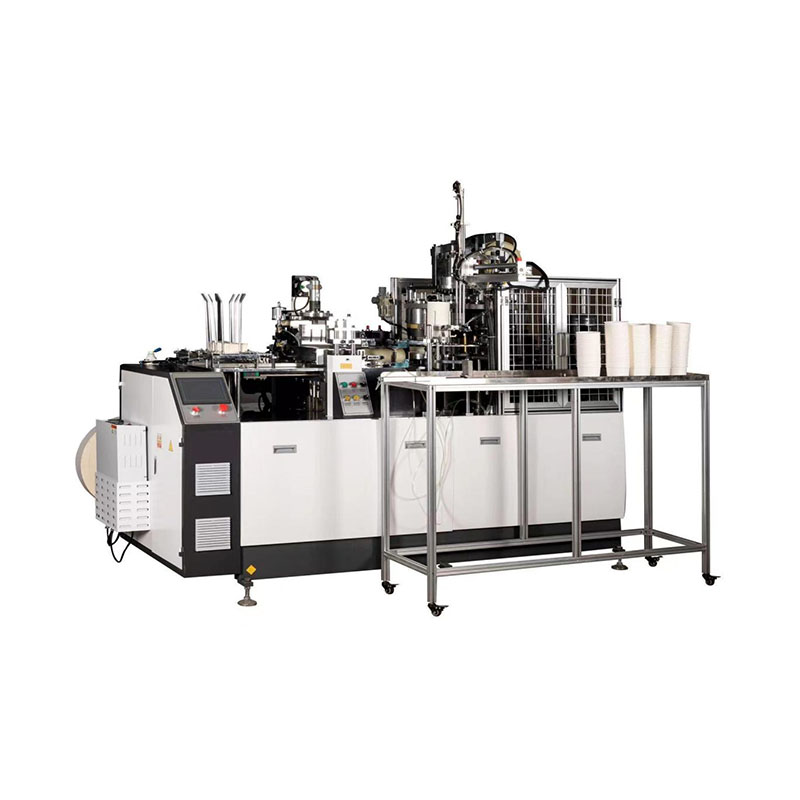
Select from our complete range of high-performance container forming solutions, built for specific size profiles and packaging styles.
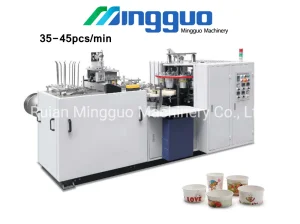
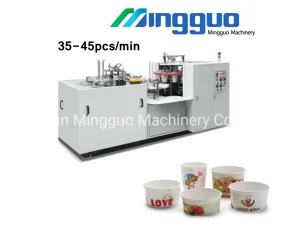
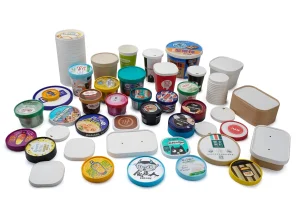
One of the most persistent bottlenecks for manufacturers operating in the Pacific Islands is technical downtime. Being located far from the mainland means that a simple component failure can halt production for weeks while parts are shipped.
To overcome this, Zhejiang Jinli Machinery Co., Ltd. has established a dedicated **Pacific Support Program**, tailored for buyers in Samoa, New Zealand, and Australia:
Get answers to engineering, electrical, and materials questions from our senior technical consulting team.
All our paper bowl making machines can be custom-wired to match Samoa's electricity grid: 415V Three-Phase, 50Hz (or 230V Single-Phase for lower-capacity ancillary systems). We utilize high-quality Schneider contactors and customized delta/wye motor configurations to prevent failure from local voltage fluctuations.
Yes. Our standard machines feature hot-air pre-heaters and high-frequency ultrasonic side-sealers. Because PLA and PBS biodegradable films have a lower melting temperature than traditional PE, the PLC touchscreen control panel allows precise temperature tuning to ensure solid sealing without damaging the bioplastic film.
Open-cam designs (like our high-speed paper bowl models) use high-strength carbon-steel linkages to control the mechanical movements of the mold plates. Compared to traditional gears and chain drives, open cams require less maintenance, suffer less mechanical backlash, and maintain high positioning precision over years of continuous operation.
We export each machine with a "Pacific Resilience Toolkit," containing vital mechanical, thermal, and sensor parts. Additionally, we provide online video commission guidance and detailed operation manuals in English. In cases of major technical updates, our technicians can remote-in to the control cabinet via the built-in Ethernet module.
Production averages 30–45 days depending on tooling and voltage customization. Shipping from Ningbo/Shanghai port to Apia takes approximately 30 days. We support FOB, CIF, and DDU shipping terms, helping you arrange land transport and custom entry processes.
 Jinli Machinery