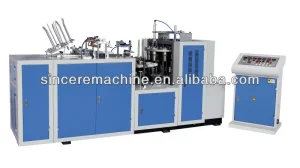
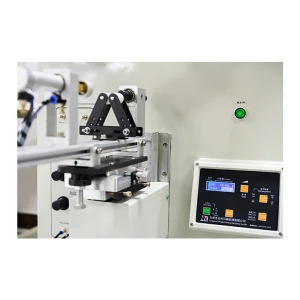
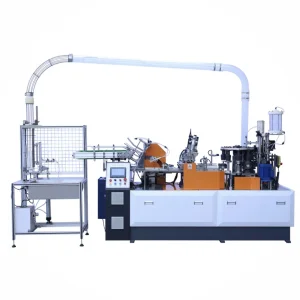
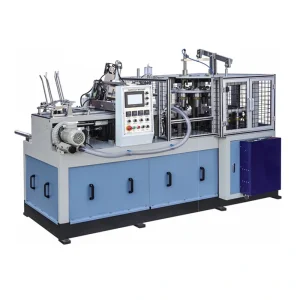
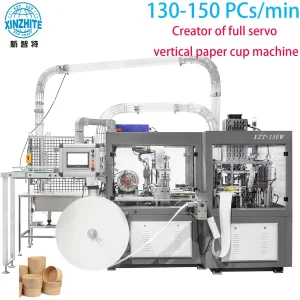
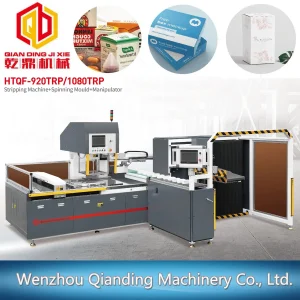
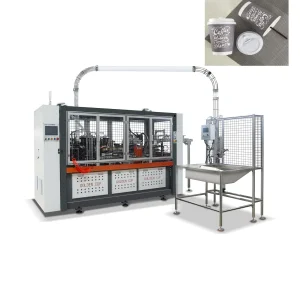
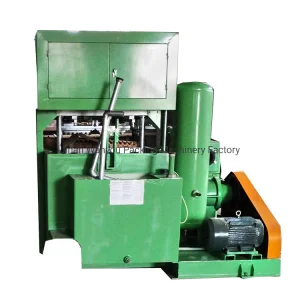
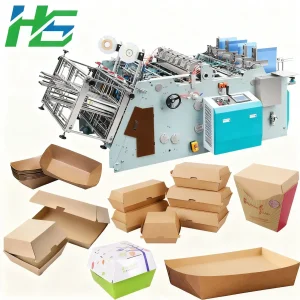
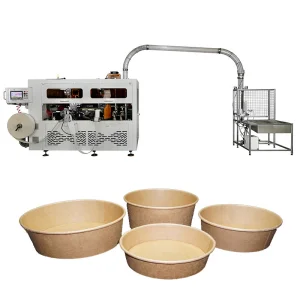
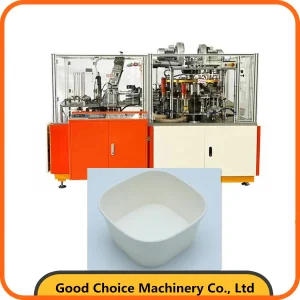
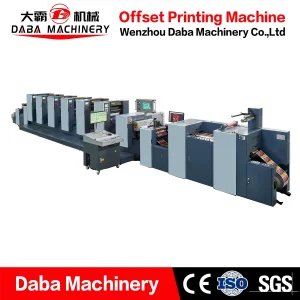
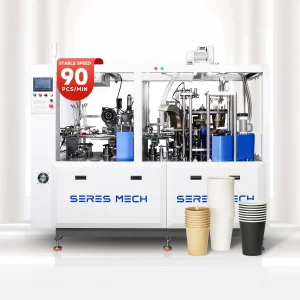
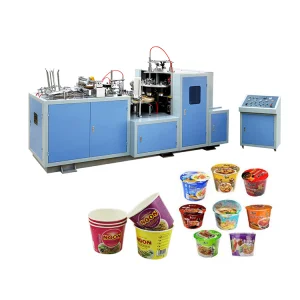
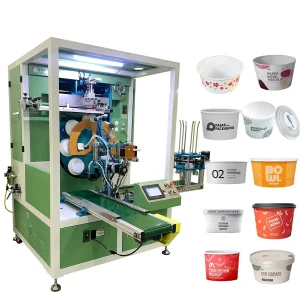
Explore high-speed forming systems, integrated flexo/offset printers, and double-wall insulated container lines designed for high-volume conversion lines.
An in-depth whitepaper analysis on the dynamics of modern high-speed automatic cup body forming mechanisms.
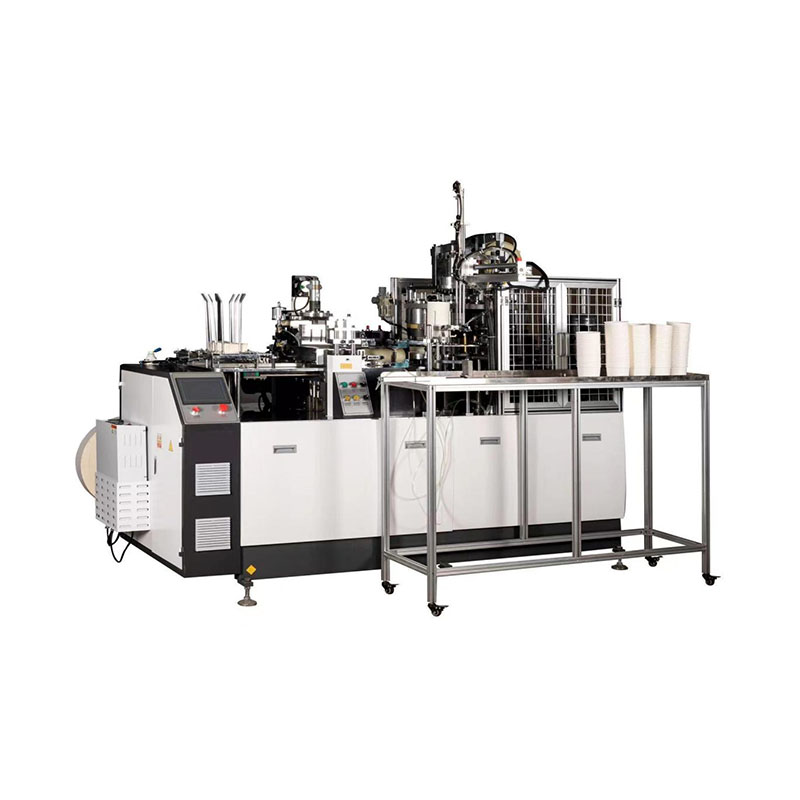
The global packaging sector is undergoing a massive shift towards ecological alternatives. Regulatory updates like the EU Single-Use Plastics Directive and worldwide carbon-neutral policies are pushing manufacturers to phase out plastics in favor of biodegradable fiber-based structures. Consequently, the reliance on high-performance automatic paper cup body forming machines has surged. Modern systems must operate at speeds of 100 to 150 units per minute while working with diverse coatings—ranging from classic Polyethylene (PE) to biodegradable Polylactic Acid (PLA) and water-based barrier varnishes.
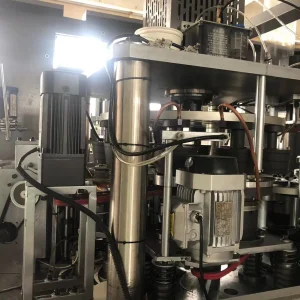
Standard gears are increasingly being replaced by open cam systems and cylindrical index drives. These mechanics improve stability, minimize vibration, and boost machine life under continuous high loads.
Modern machine setups use digital controllers for real-time tracking, automatic error diagnosis, and precise bottom-web feeding. This reduces paper waste by up to 15%.
Deploying ultrasonic sealing units for side seams guarantees leak-proof bonds. This allows clean processing of both single/double PE coatings and ecological PLA alternatives.
Technical Insight: Evaluating automatic container manufacturing equipment requires checking the machine's mechanical torque distribution, heat-sealing control loop, and blank feeding process. Standard systems use linked chains that require frequent tensioning. In contrast, heavy-duty index drives run on grease baths, keeping mechanical drift below 0.05mm over millions of cycles.
Located in Feiyun New District, Ruian City, Zhejiang Province, Zhejiang Jinli Machinery Co., Ltd. has established itself as an engineering-driven manufacturer of high-precision paper container forming lines. Operating a modern 2,000-square-meter facility with over 50 expert technicians, the company integrates research, mechanical design, fabrication, and after-sales support into unified business systems.
With a steady focus on technological precision, Zhejiang Jinli Machinery maintains stable production output and builds durable machinery. Their systems are built for long-term production runs, meeting the high standards required by tier-1 food service and packaging companies globally.
State-of-the-Art Factory Space
Annual Production Value (RMB)
Countries Actively Exported To
Senior Engineering Specialists
How top-tier buyers manage compliance, evaluate machinery platforms, and secure localized technical support.
Procuring industrial equipment requires evaluating more than just the initial price. Global procurement teams look for suppliers that offer strong warranty terms, reliable replacement parts, and compliance with local safety standards. For instance, European buyers demand strict adherence to CE Machinery Directives (2006/42/EC), including integrated safety doors and emergency braking systems.
Reliable manufacturers build machines with low-voltage control setups, shielded wiring, and automated physical guard locks. This ensures safe operations and smooth regulatory approval in EU and US markets.
Downtime in manufacturing is expensive. Leading suppliers use globally standardized components (like Siemens PLCs, Omron thermostatic sensors, and Festo pneumatic systems) for easy local replacement.
Modern machine systems connect directly to Ethernet or Wi-Fi gateways. This allows technical support teams to adjust parameters, debug issues, and update software remotely.
Analyzing key differences between typical standard gear-driven cup formers and high-performance open cam machinery.
| Performance Metric | Standard Chain/Gear Systems | High-Speed Open Cam Systems | Jinli Machinery Premium Line |
|---|---|---|---|
| Production Capacity | 50 - 70 cups/min | 80 - 120 cups/min | Up to 130+ cups/min |
| Drive Mechanism | Chain transmission & standard gears | Open cam mechanical indexing | Hardened open cams with oil-bath lubrication |
| Paper Material Range | 180 - 280 gsm | 150 - 350 gsm | 150 - 380 gsm (Single/Double PE & PLA) |
| Side Sealing Method | Heater element or hot air | Ultrasonic transducers | Evergreen/Ultrasonic Dual-Mode Sealing |
| Bottom Waste Rate | < 3.0% | < 1.5% | < 0.8% with precise web feeding |
Transitioning from plastic-coated boards to plastic-free barrier chemistries.
The packaging industry is focused on developing plastic-free containers. Traditional PE-lined paper cups are difficult to recycle because separating the plastic film from the paper pulp requires specialized facilities. As a result, the industry is shifting toward water-based dispersion barriers and compostable PLA/PBS coatings.
Zhejiang Jinli Machinery is adapting to these trends by upgrading its heating profiles, bottom curling shapes, and knurling configurations. These enhancements ensure that biodegradable coatings can be processed without bubbling, tearing, or peeling during the bottom heating stage.
PLC-monitored, multi-stage hot air heaters apply heat at precise intervals, protecting sensitive PLA coatings from thermal breakdown.
Precision-machined knurling wheels distribute pressure evenly, preventing leaks even on thick 380 gsm paperboards.
Smart vision cameras automatically detect and eject deformed cups, maintaining high quality at speeds over 120 cycles per minute.
Expert insights on operations, maintenance, and compatibility of automatic cup body forming machines.
Browse our selection of heavy-duty forming systems, square bowl makers, and industrial container printers.
 Jinli Machinery