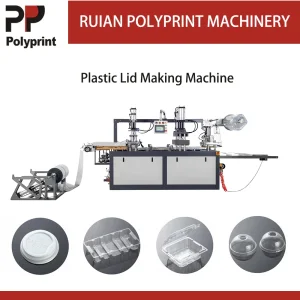
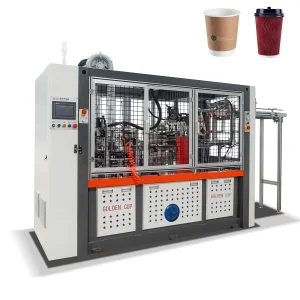
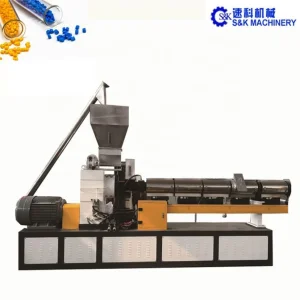
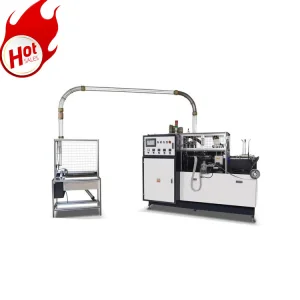
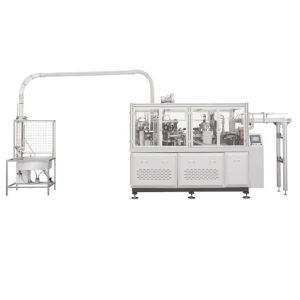
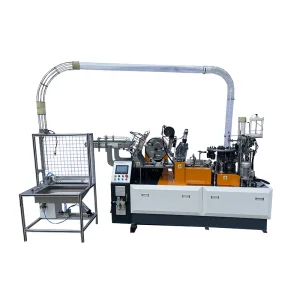
Explore our high-speed, automated, and eco-friendly machinery line designed for modern sustainable packaging solutions.
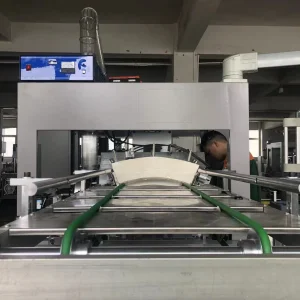
How legislative frameworks, supply chains, and engineering dynamics are shaping the eco-friendly beverage consumption market.
The commercial adoption of CE Certified Paper Straw Bending Machines has undergone an unprecedented transformation in the last five years. Fueled by stringent global environmental initiatives such as the European Union’s Single-Use Plastics Directive (SUPD), the US state-level plastic bans, and similar eco-policies throughout Latin America and Asia-Pacific, beverage manufacturers are aggressively phasing out polypropylene (PP) straws. However, replacing straight plastic straws with flexible, bent alternatives poses significant engineering challenges. Unlike thermoplastic materials, which possess high elasticity and thermal malleability, paper is a rigid, multi-layered cellulose structure that behaves differently under mechanical stress.
In the industrial context, a paper straw bending machine is not merely a secondary folding device; it is a high-precision calibration instrument. Modern beverage applications, particularly in aseptic carton packaging for milk, juices, and portable yogurts, require precise U-shaped bendable profiles (often referred to as telesco-flexible or U-straws). The global market demands machinery that can process hundreds of straws per minute while ensuring that the paper plies do not delaminate, crack, or lose structural integrity at the corrugated joint. Zhejiang Jinli Machinery Co., Ltd. has met this critical industrial demand by designing robust, high-throughput paper container and bending machinery that complies directly with European safety and emission standards.
Our machinery guarantees adherence to EU Machinery Directive 2006/42/EC and Low Voltage Directive 2014/35/EU, ensuring flawless integration in European assembly lines.
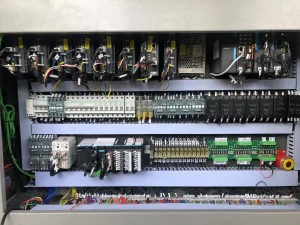
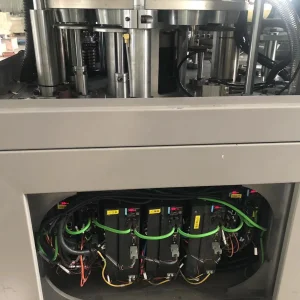
Integrated with servo-driven precision tools, Jinli paper machinery balances high RPM with low noise, ensuring minimal component wear and maximized runtime.
Seamlessly handles PLA-coated paper, water-based dispersion barriers, and traditional PE laminated boards without compromise to structural stiffness.
A verified benchmark of industrial engineering and manufacturing capability based in Ruian City, China.
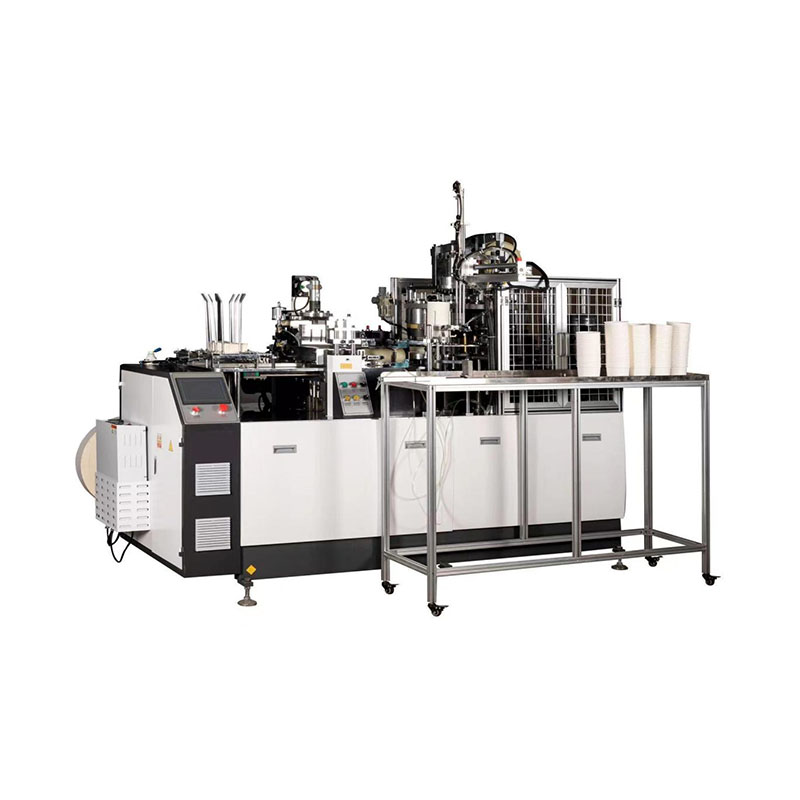
Located within the prestigious Feiyun New District, Ruian City, Zhejiang Province, Zhejiang Jinli Machinery Co., Ltd. is a highly specialized mechanical pioneer spanning over 2,000 square meters of state-of-the-art manufacturing facilities. Empowered by a technical workforce of more than 50 mechanical engineers, quality controllers, and customer service experts, we pride ourselves on being a comprehensive enterprise that seamlessly integrates scientific research, mechanical design, customized fabrication, global logistics, and after-sales maintenance.
With an average annual output of approximately 10 million RMB, our high-speed automatic paper container production lines have found critical acclaim both across China and in demanding international markets. Our products are exported to highly regulated regions including Germany, Egypt, the Philippines, Australia, New Zealand, Turkey, India, South Korea, Jordan, and Oman.
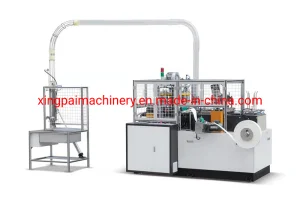
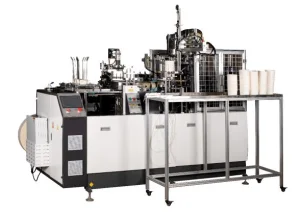
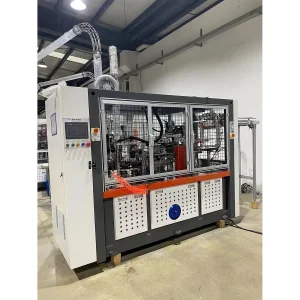
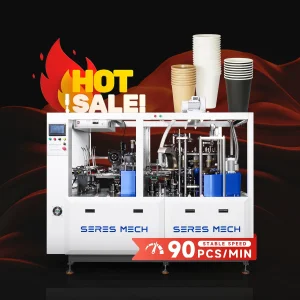
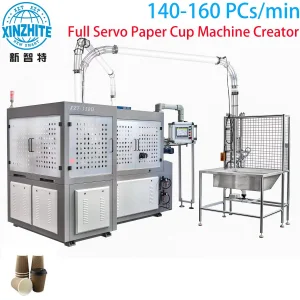
As a leading mechanical exporter, our primary products include high-performance Paper Cup Machines, Fully Automatic Paper Bowl Machines, Open Cam Paper Bowl Machines, and automated Cup Cake Forming Machines. The core engineering expertise acquired in processing complex circular and conical paper blanks directly translates into our advanced design philosophies for paper straw folding and bending units, guaranteeing precise tolerance limits and high performance.
The future of paper straw bending machinery is intimately linked with Industry 4.0 automation. The primary technical hurdle during high-speed straw bending is the prevention of mechanical tearing. Traditional machines rely on mechanical link-cams that apply rapid, unchecked pressure to the straw wall, often cracking the dry cellulose fibers. Our progressive engineering design focuses on two main breakthroughs:
In the long term, we are developing ultrasonic bending modules that use localized sound-wave energy to temporarily soften the natural fibers in the paper, facilitating seamless bending at speeds exceeding 400 pieces per minute. By maintaining a strict mechanical tolerance of under 0.1 mm, our machines ensure that every finished bendable straw can fit into standard automated outer-wrap packaging wrappers without jam-ups in the final distribution line.
Different global markets present diverse challenges for paper straw bending machine deployment. Understanding these localized variations is critical for optimizing plant layout, machinery customization, and throughput efficiency:
In Europe, paper straws must withstand direct contact with carbonated beverages for up to 3 hours without collapse. Our machines are designed to process heavy-weight, multi-ply kraft paper (up to 120 GSM) with food-grade water-resistant resins, creating robust bends that retain strength without leaking.
High-volume aseptic milk cartons require U-bendable straws wrapped in individual poly-bags. Our high-performance bending units integrate directly with downstream OPP/Paper packing modules, running in perfect synchronization to prevent bottlenecking at the packaging station.
Islands and coastal markets (e.g., Australia and New Zealand) demand 100% home-compostable raw materials. We provide custom tooling optimized for marine-degradable papers, which are softer and require delicate processing speeds and specific heat-sealing parameters during the corrugated folding process.
Through these targeted configurations, Zhejiang Jinli Machinery Co., Ltd. acts not merely as an equipment vendor, but as a system architect. By matching the mechanical parameters of our cup, bowl, and straw packaging machinery to the specific localized raw materials, we help manufacturers minimize scrap rates and optimize energy-consumption metrics in accordance with national green energy directives.
Key technical questions and operational metrics addressed directly by our senior engineering team.
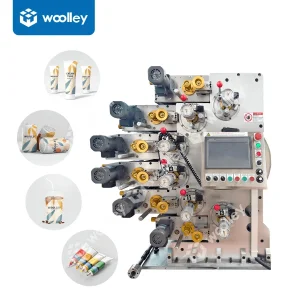
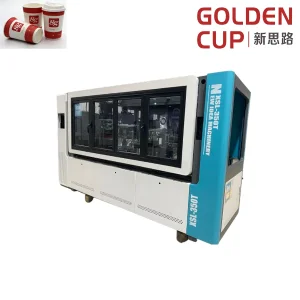
Complete your manufacturing ecosystem with our reliable range of printing, forming, and waste-recycling systems.
 Jinli Machinery